
Textile and Fashion Design
- Focus Area: Textile and Fashion Design
- Region: Region of Istria
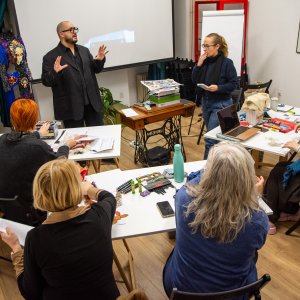
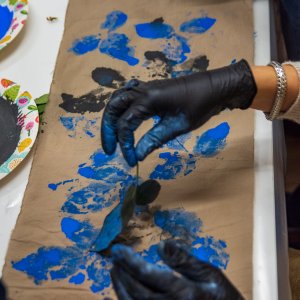
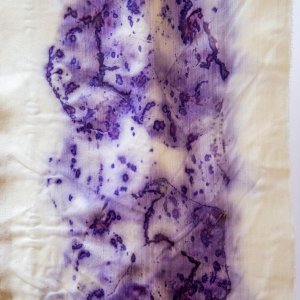
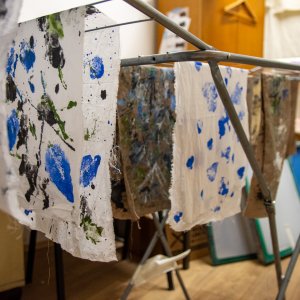
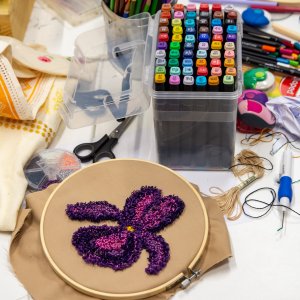
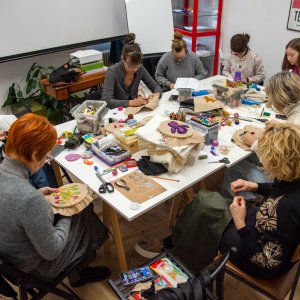
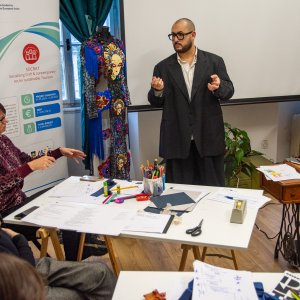
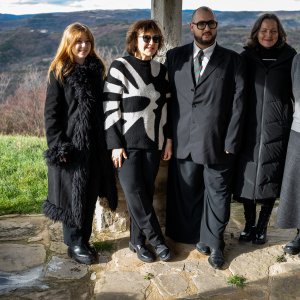
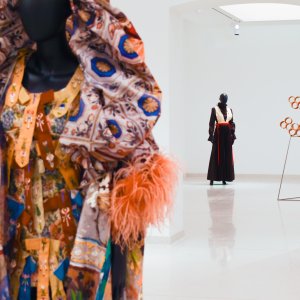
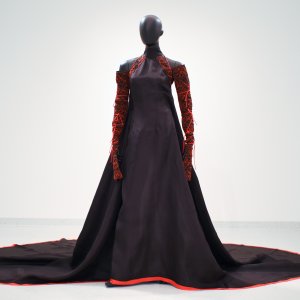
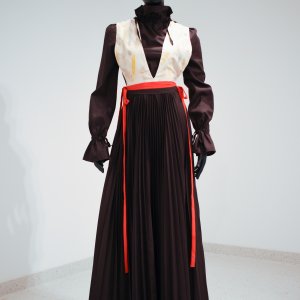
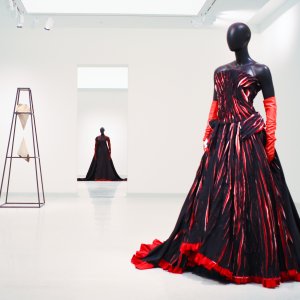
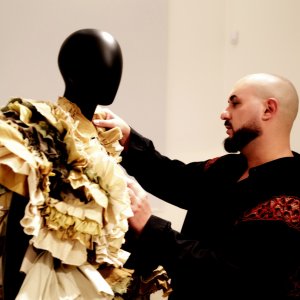
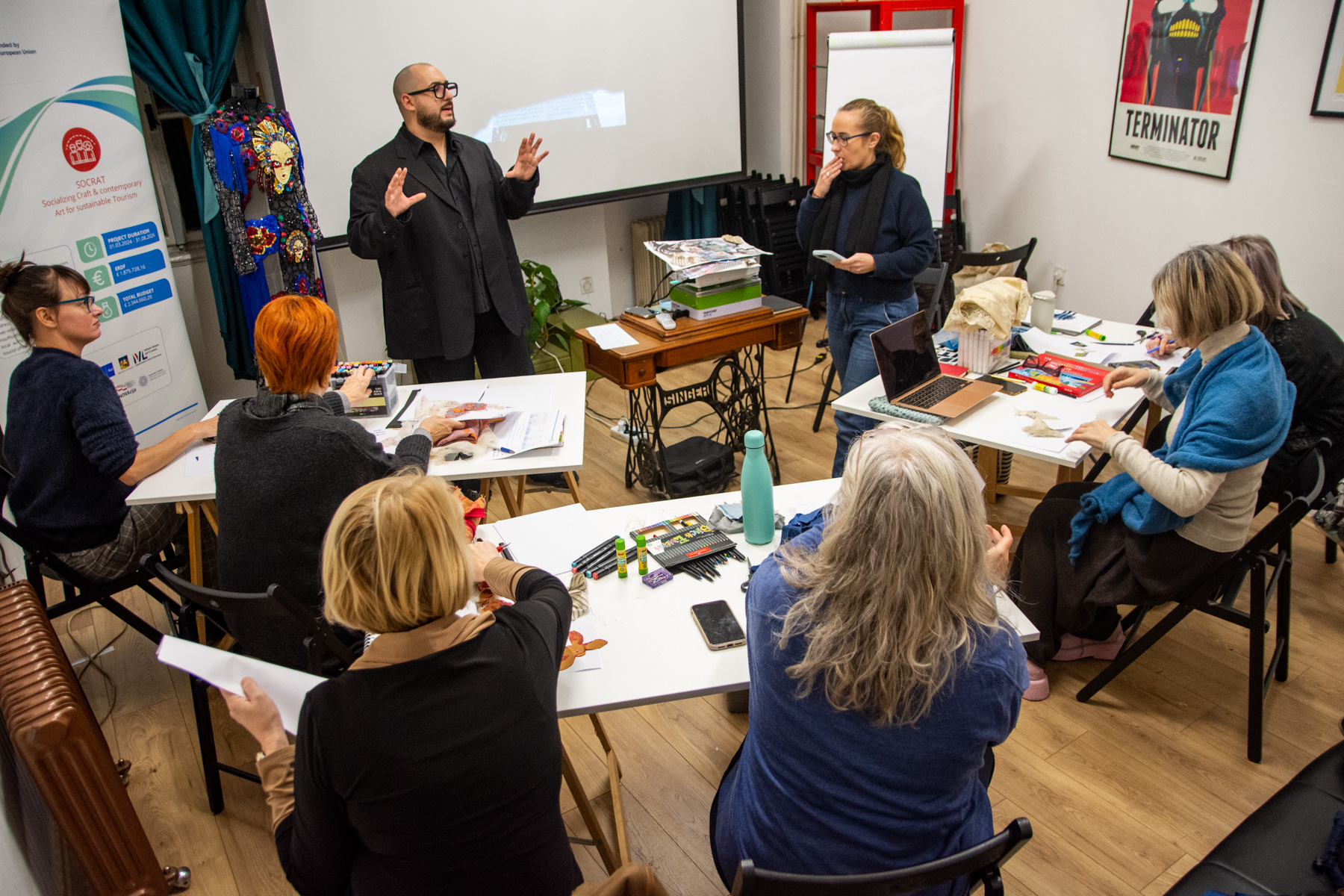
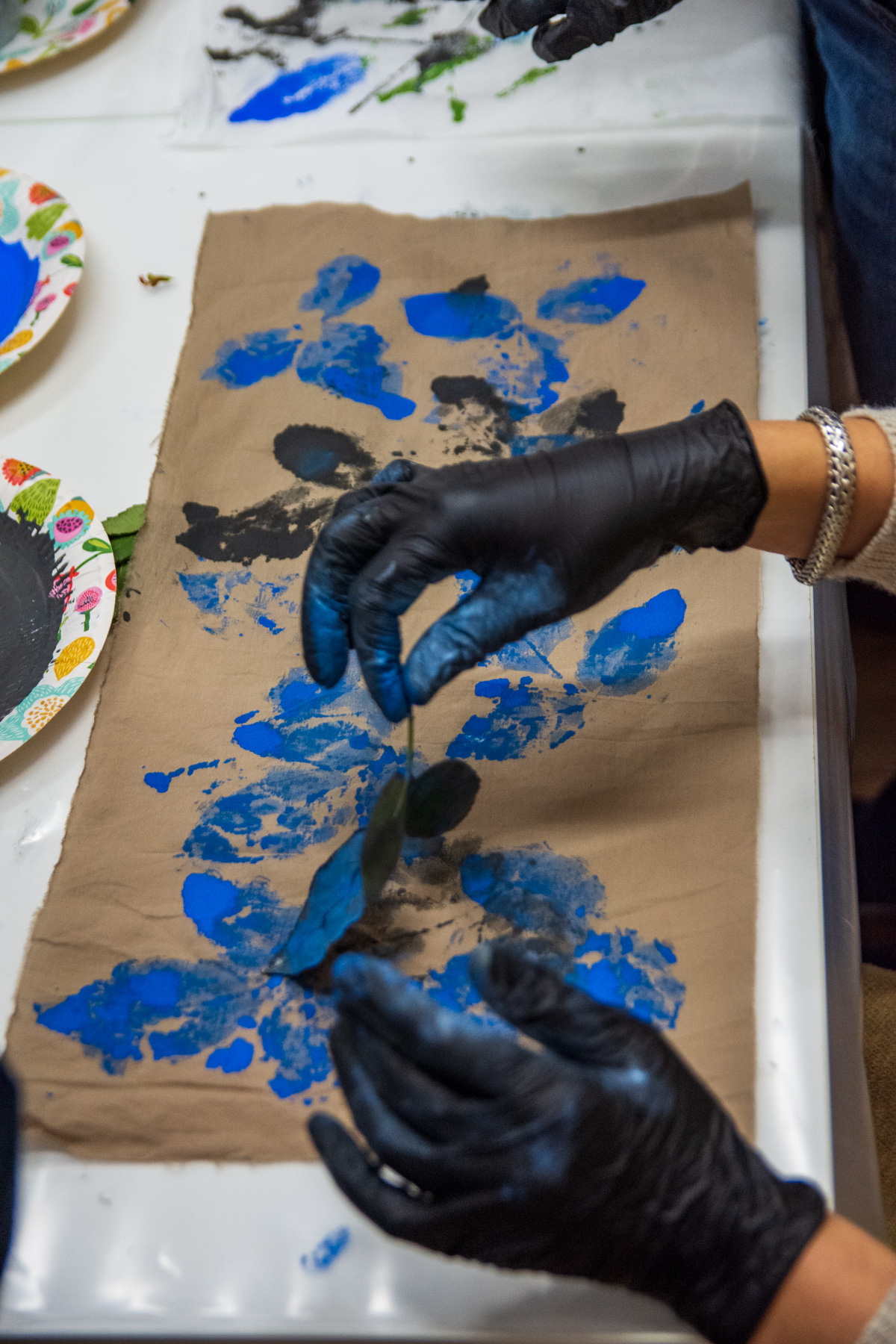
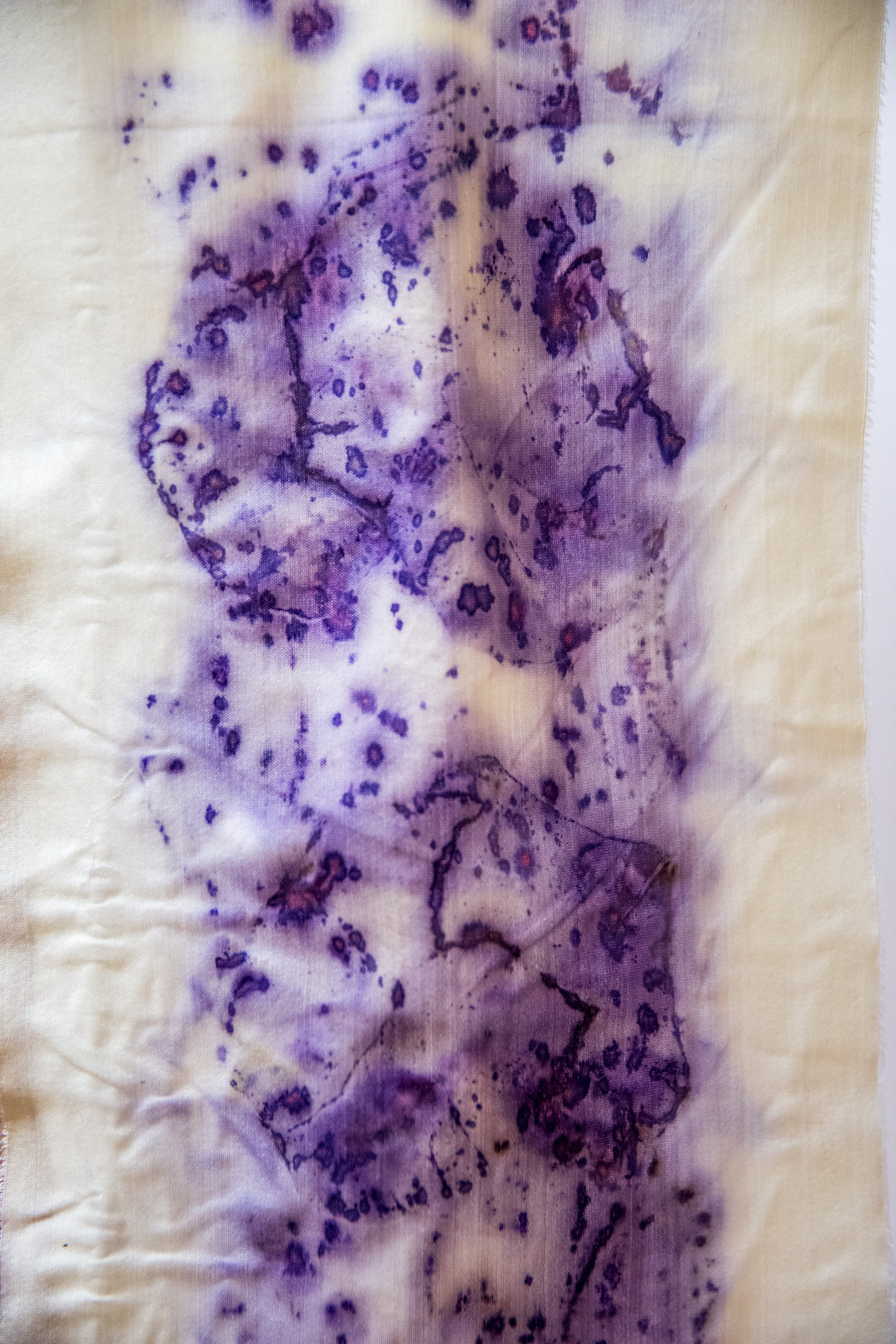
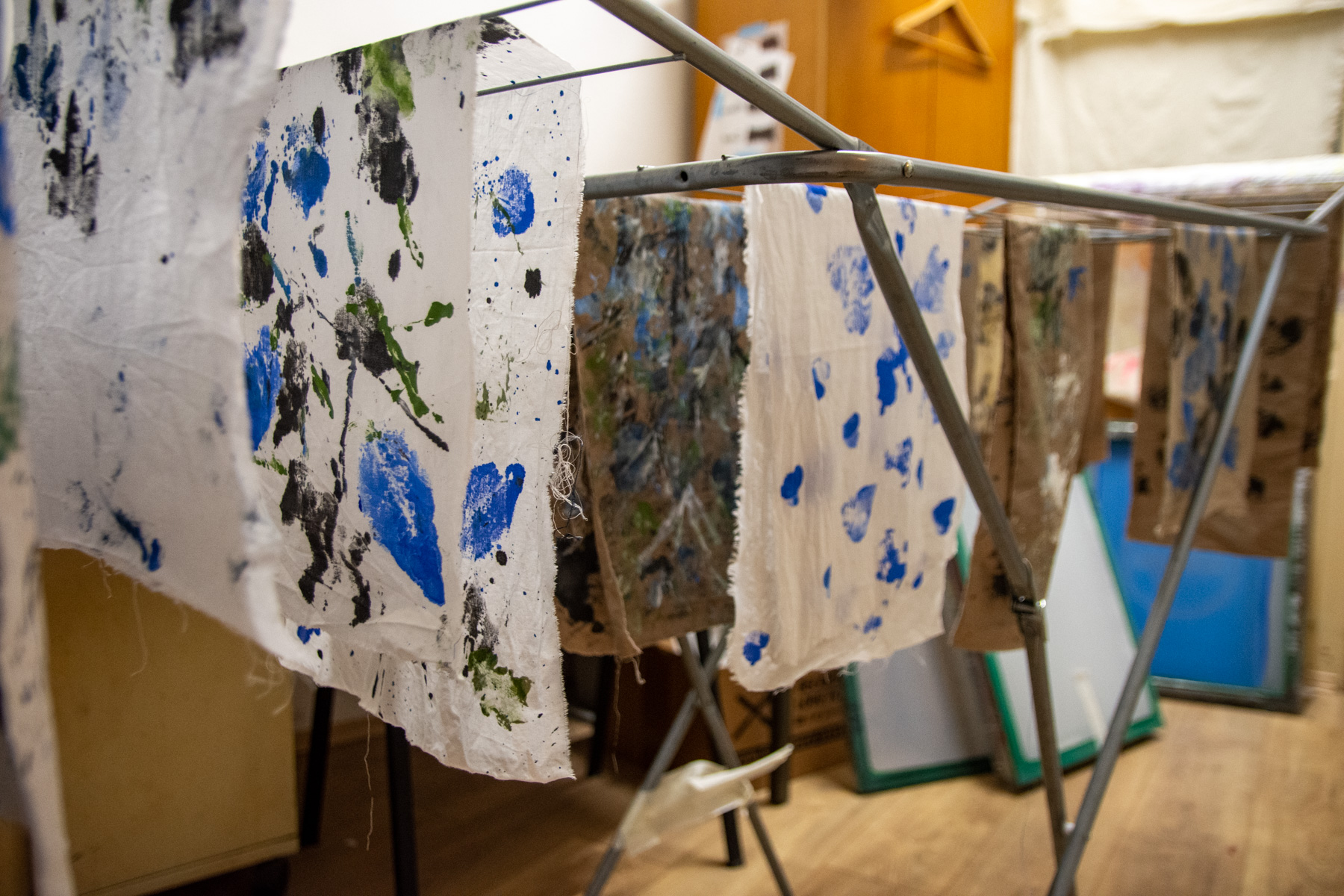
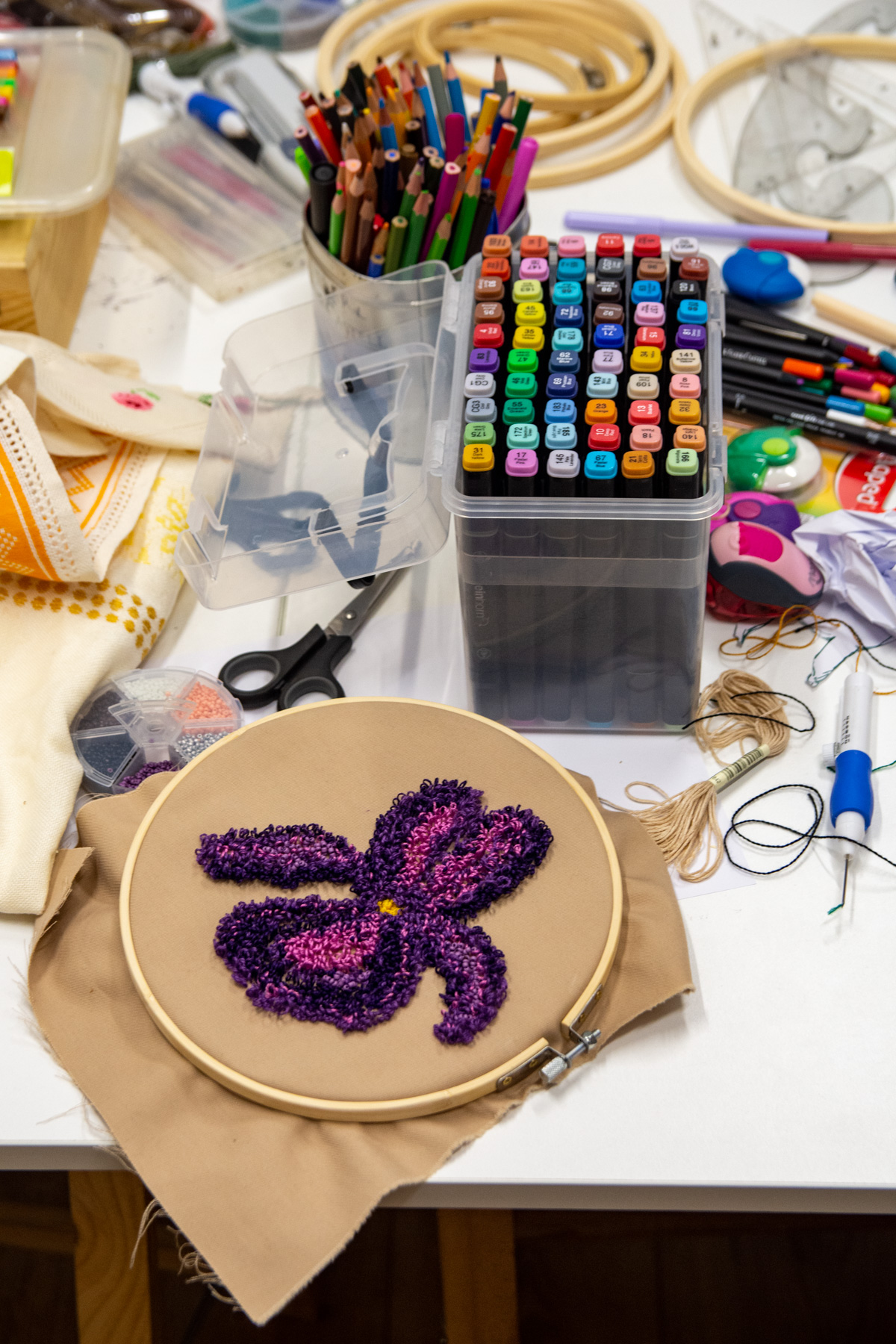
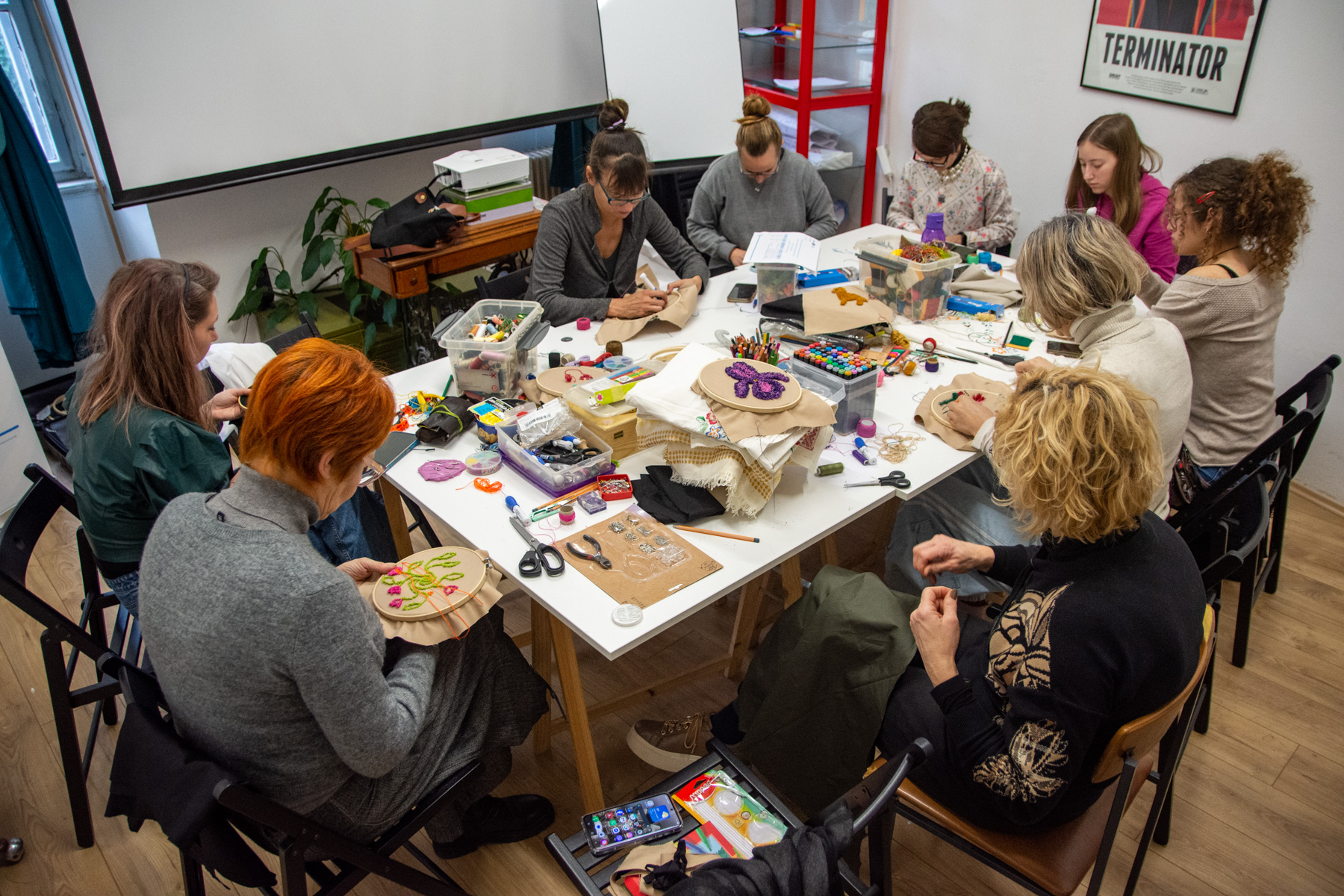
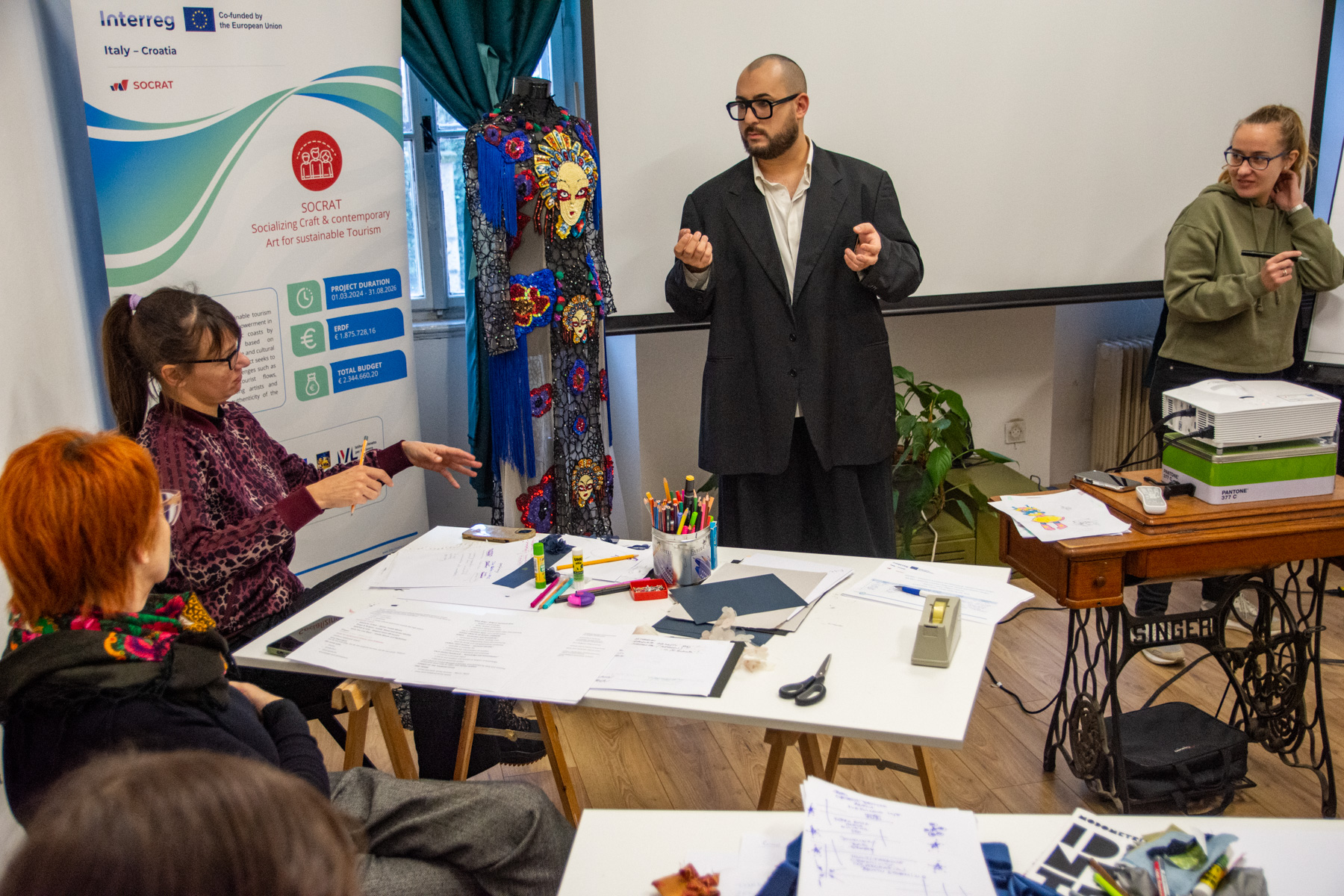
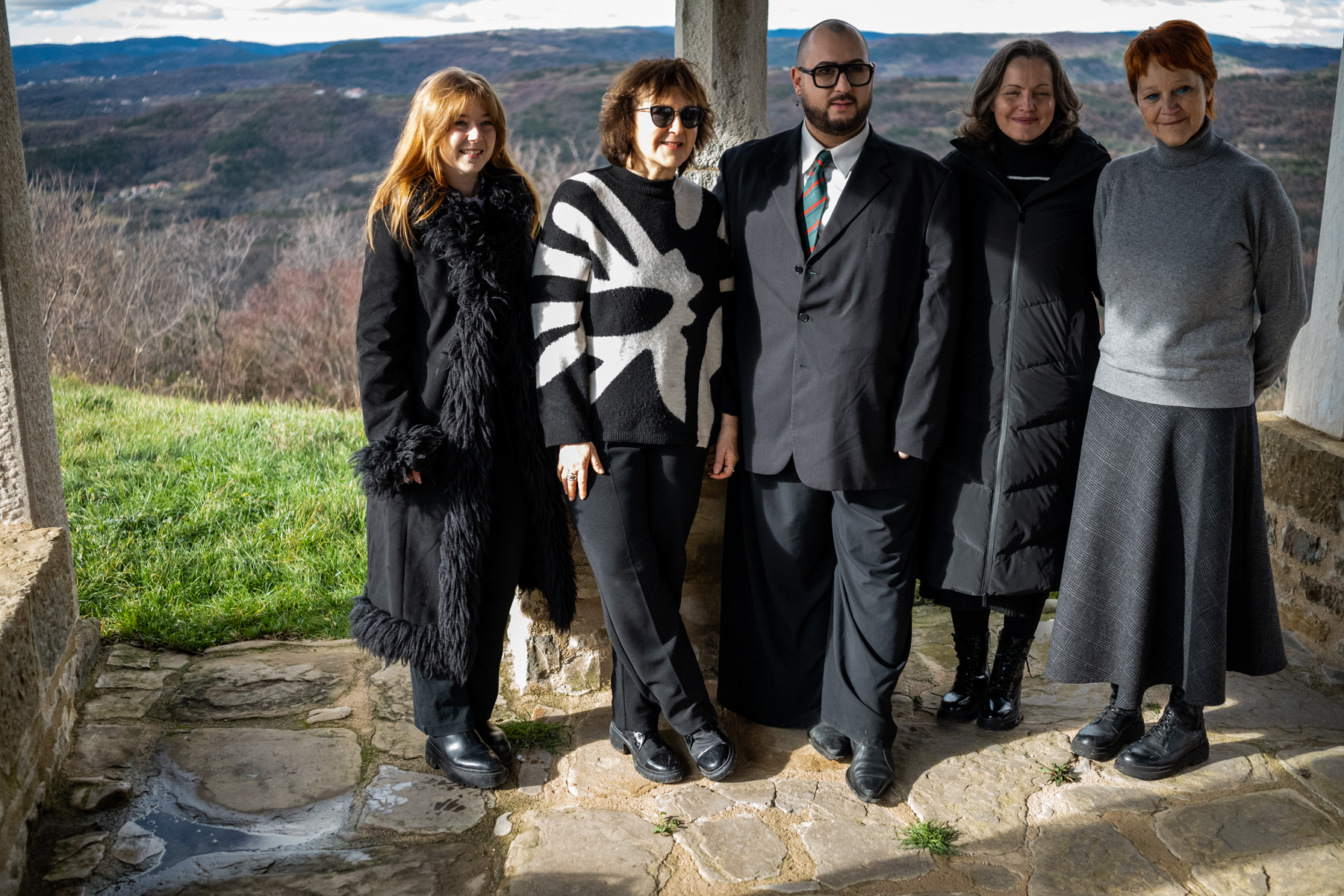
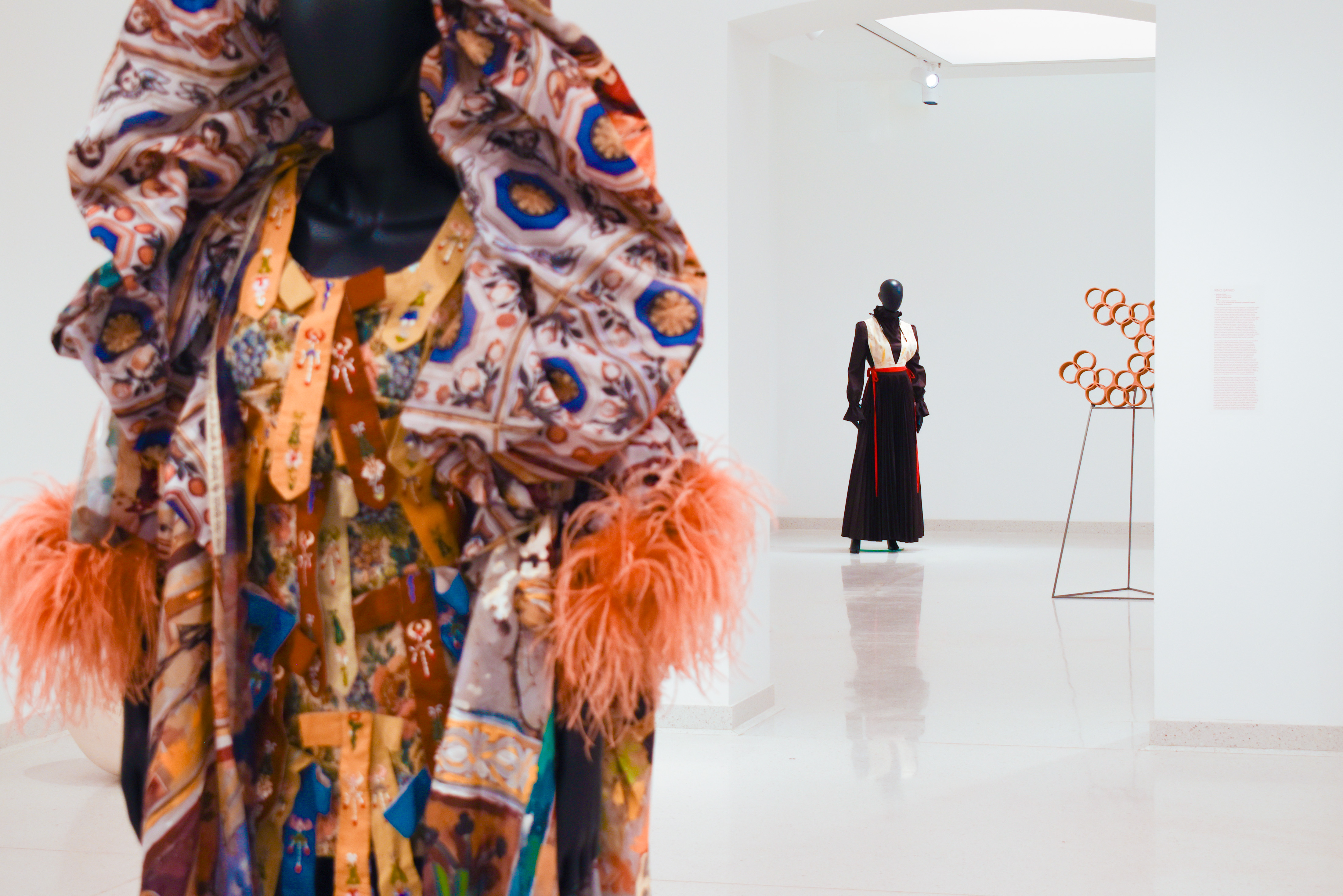
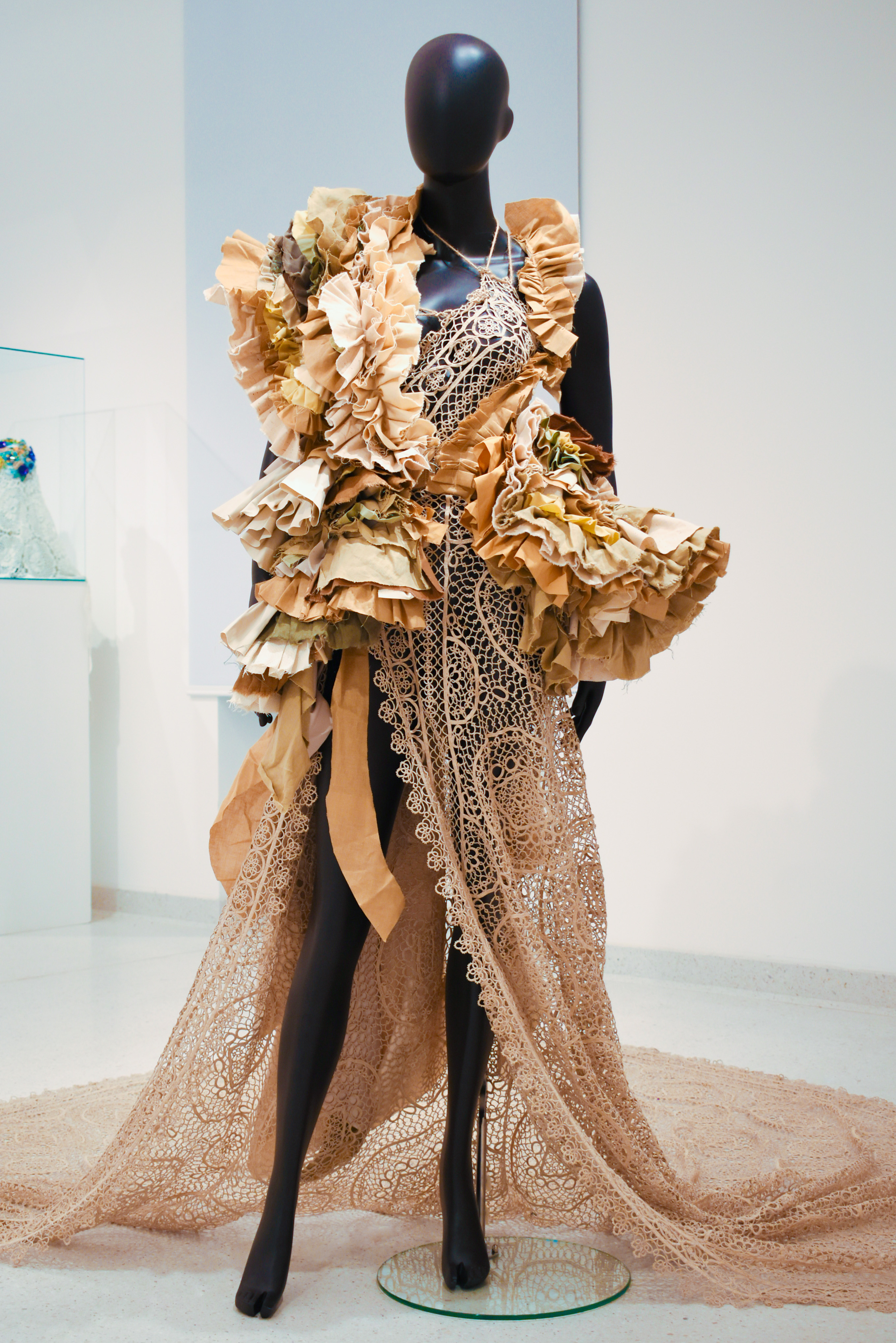
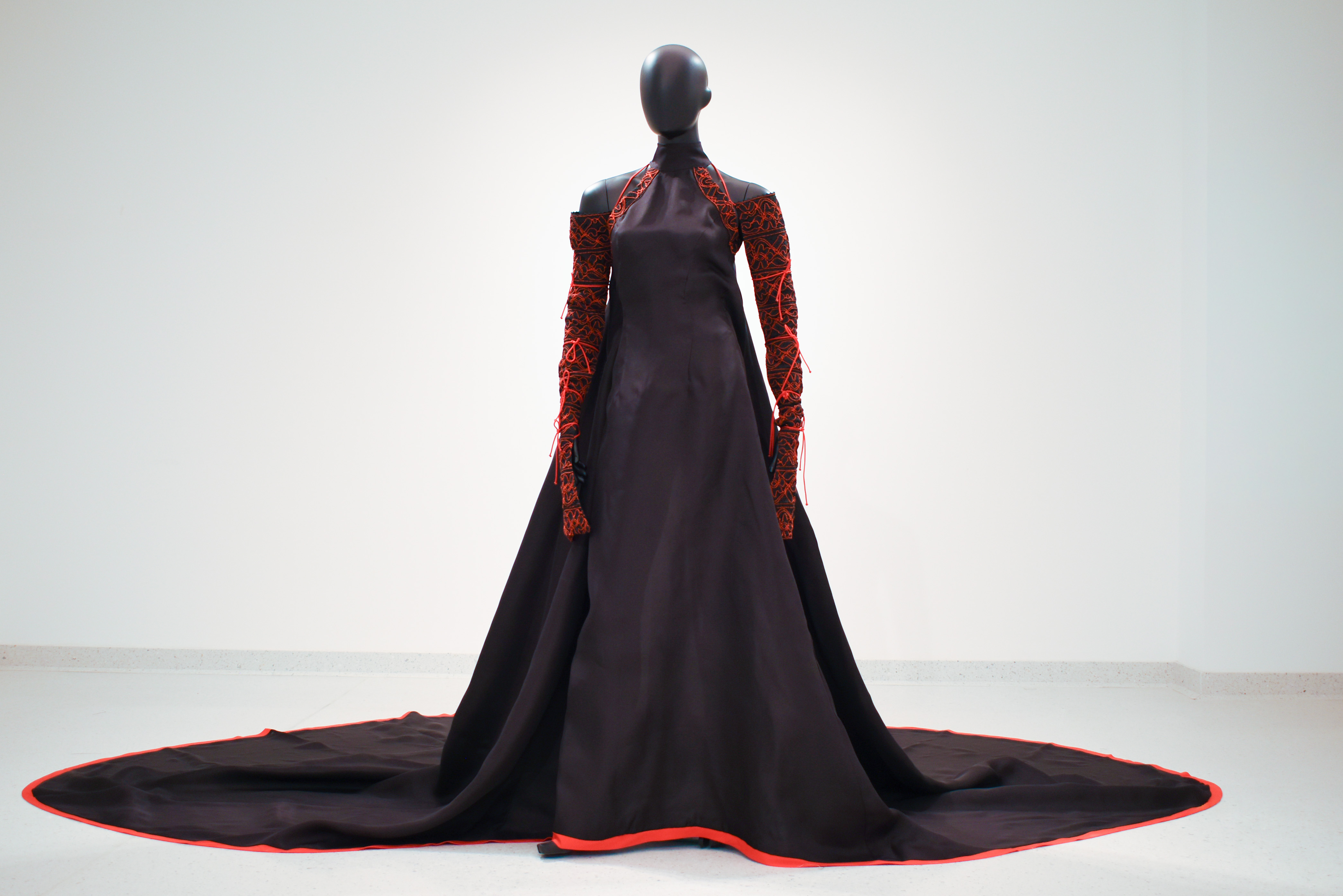
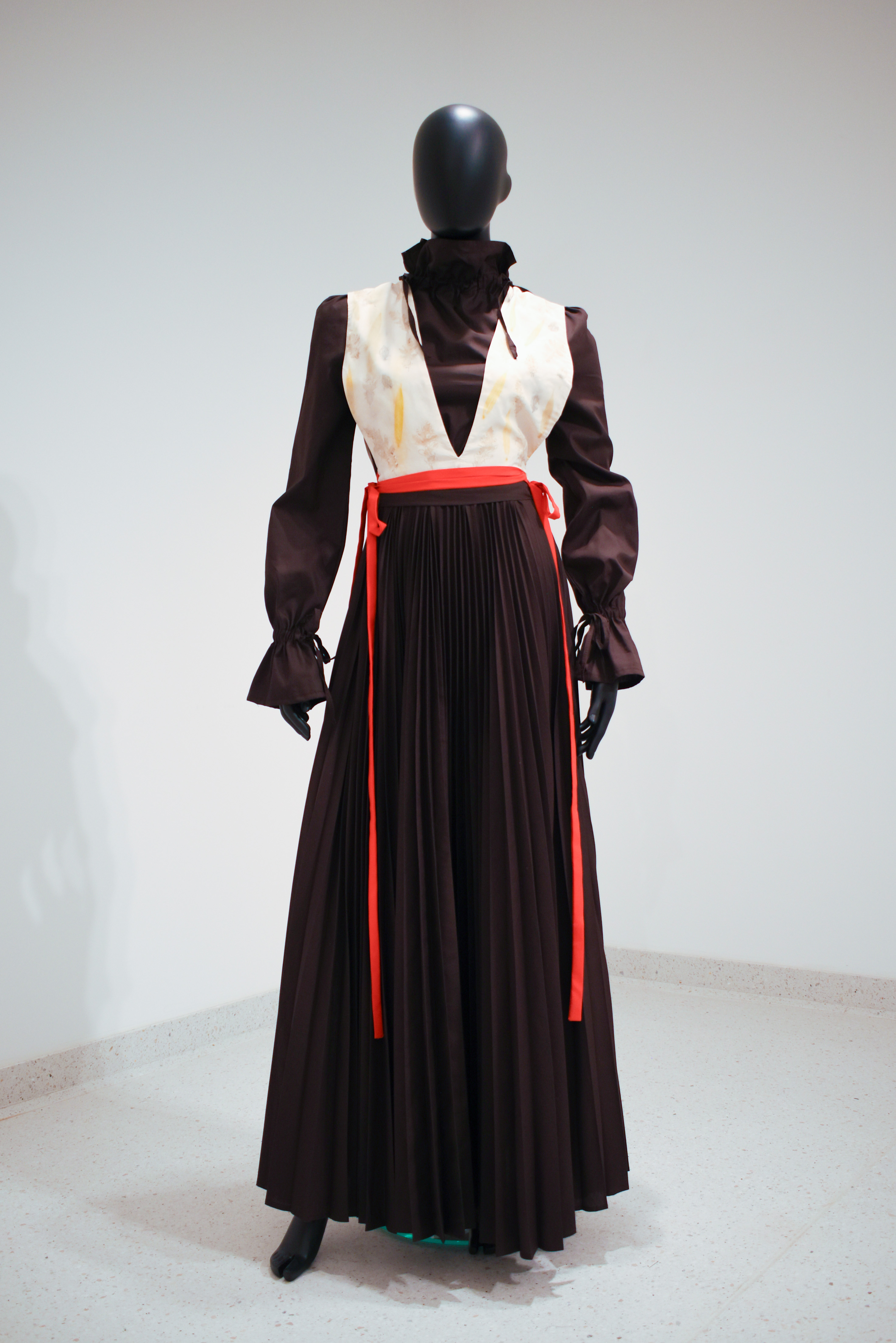
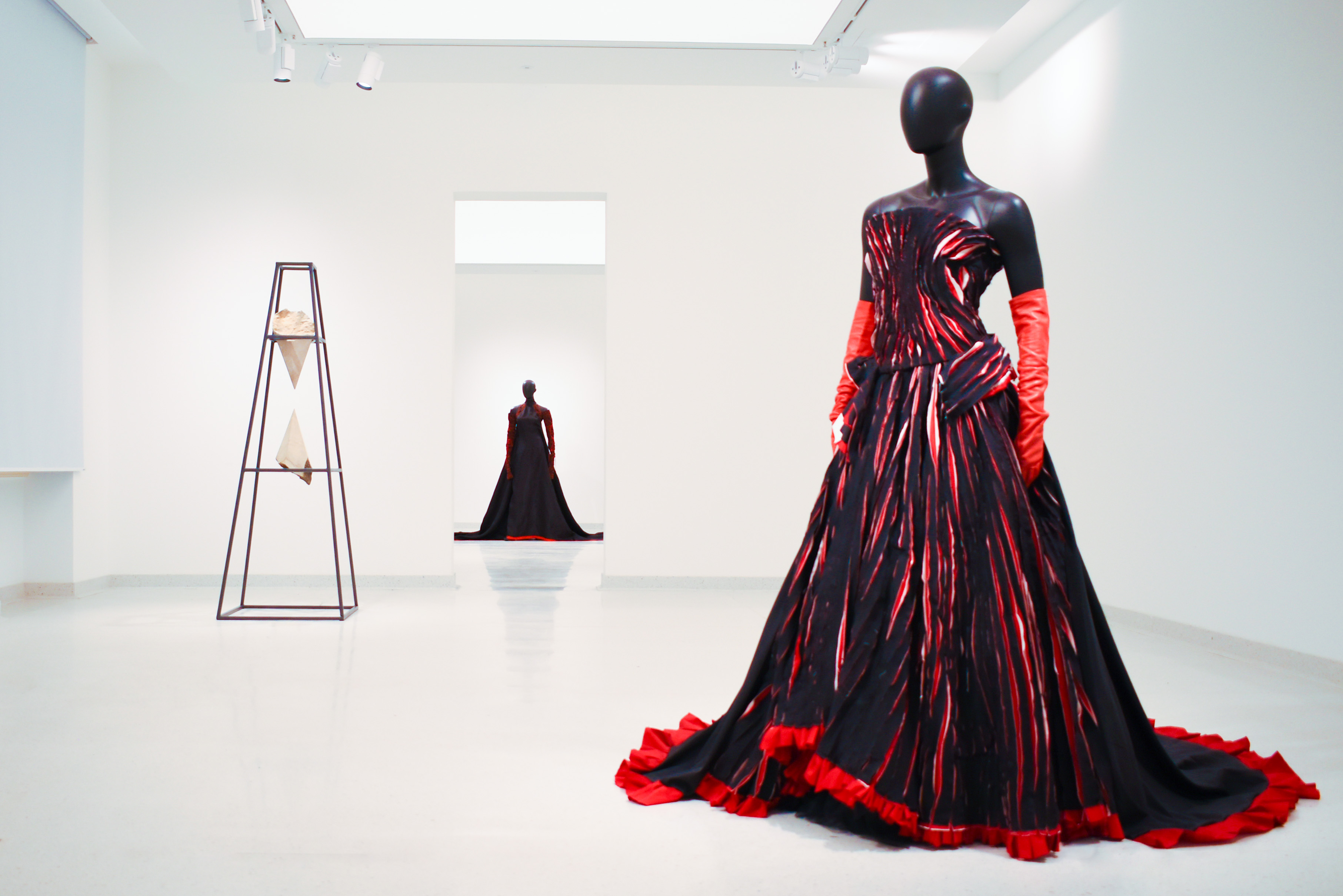
- About Laboratory: Creative Living Lab on Textile and/or Fashion Design, was held from 15th of January to 15th of February 2026 in Pula and was organised by the Croatian Association of Interdisciplinary Artists (HUiU) with collaboration of Ethnographic Museum of Istria. The laboratory resulted in new fashion creations by designers Filippo Laterza and Staša Doblanović Randall, as well as embroidery and eco-print workshops. The programme was led by Kristina Nefat, Staša Doblanović Randall and Katja Kliba from Croatia, together with artist-mentor Filippo Laterza from Italy. Freedom of expression, creativity, as well as curiosity – core values of artistic creation and design – served as the foundations of the Lab activities dedicated to contemporary fashion, creative processes and cultural exchange between Italy and Croatia in which art and design students, professionals and experts from the field were also involved. The emphasis was not only on fashion as a final product, but on creativity as a process that can be liberated, guided, and transformed into a structured project. This approach made it possible for the participants to understand how creativity can be directed into something broader, starting from fashion and developing into a cultural and tourism project. In the process of intense collaboration and co-creation, that was held in parallel with ongoing workshops, two designers Laterza and Doblanović Randall created eight models/prototypes reinterpreting tradition and encouraging the synergy of cross-border approach, completed and presented at the final event of the SOCRAT project – an exhibition held on 7 July 2026 at the Archaeological Museum of Istria in Pula. Clothes as a boundary between the individual and the community, the private and the public, the body and society, from prehistory to the end of the twentieth century, reveal the layered role and meaning of clothing items and trends defined by social and technological changes. Different historical contexts have created contemporary fashion challenges, as well as ecological and social aspects. In this context, tradition and sustainability issues may serve as the foundation for new collaboration models between artisans, designers and cultural stakeholders in the creation of authentic experiences and the reinterpretation of heritage.
- Gallery:


- Info:
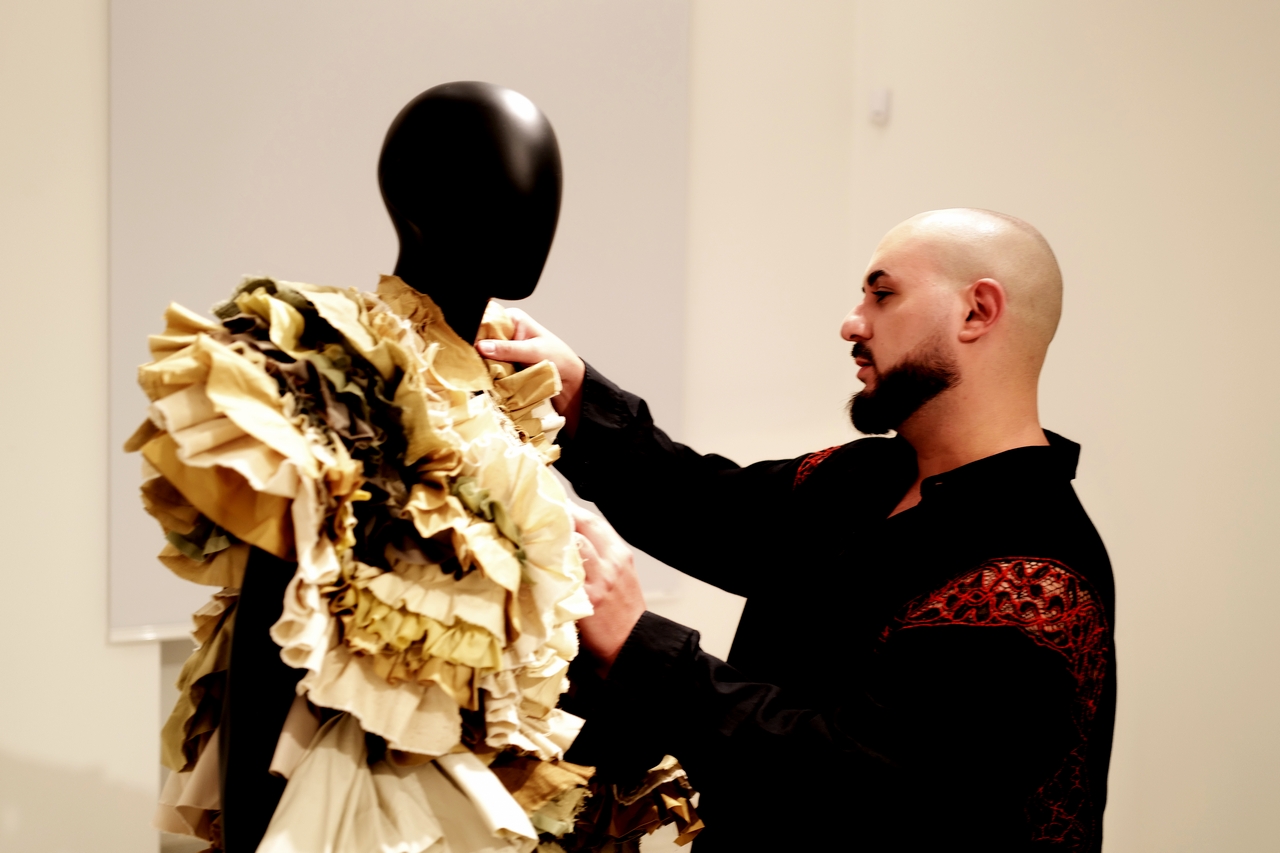
Filippo Laterza, born in southern Italy in a family of tailors, develops from an early age a passion for textile processing. After finishing her art studies, he won the first competitions with his works and began a career in fashion. At only 16 years old, he presents his first fashion show and at 18 wins a competition that takes him to Pitti Immagine, marking the beginning of his career in children's clothing with Stefano Cavalleri. He collaborates with numerous luxury brands, such as Quis Quis, Lanvin, Iceberg and Cesare Paciotti, and at the age of 20 presents his personal collection at "AltaRoma", attracting international press attention which calls him the "Enfant Prodige" of Italian fashion. His fame grew further with a collaboration with Rovio for the "Filippo Laterza for Angry Birds" collection and an award as Best International Designer in Shenzhen at just 24 years old. Actresses, singers and influencers from all over the world choose to wear his creations, leading to iconic collaborations such as the capsule collection with Barbie. At the age of 26, he received numerous international awards such as "Best International Designer" and took his collections to major walkways. In 2023, she presents her first children's collection in Foshan, where he receives the "Young Designer" award. In 2024, he is the protagonist of Milan Fashion Week and launches a collaboration with brand Ozlana, then returns to China with an exhibition celebrating the fusion between Italian aesthetics and Chinese market taste thanks to her collaboration with G-color group.
- Info:
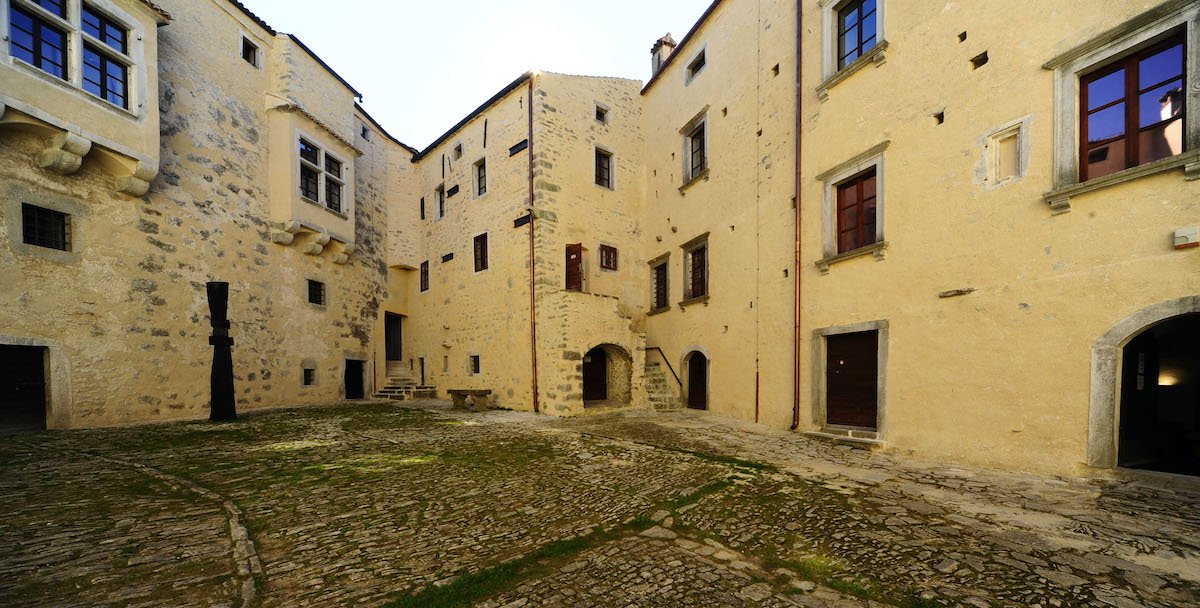
The Ethnographic Museum of Istria – Museo Etnografico dell’Istria in Pazin situated in Pazin Castle, a medieval fortress overlooking Pazin Cave, is a regional institution whose activities include collecting, preserving, documenting, interpreting and presenting the tangible and intangible cultural heritage of the Istrian peninsula. The museum preserves ethnographic materials with holdings comprising 8,000 objects: textiles, agricultural tools, and everyday life objects in the Istrian village from the late nineteenth and early twentieth centuries (pottery, carpentry, blacksmith products, as well as examples of traditional handcrafts). There is also a large collection of souvenirs, traditional musical instruments, postcards and greeting cards. The ground floor of the Castle houses a carpentry and blacksmith workshop, and the second floor features a new permanent exhibition, which, according to Ivona Orlić, director of the Ethnographic Museum of Istria – Museo Etnografico dell’Istria, dynamically presents Istria from tradition to modernity through several typical characters. They are a winemaker from Momjan, a fisherman from Fažana, a child from Motovun, a woman from Ćićarija, a miner, a woman from Vodnjan, an Istrian emigrant and a tourist worker. This part of the partially interactive exhibition ends with the topic of tourism and a critical view of this economic activity. In fact, the area of research of curator ethnologists is everyday life, i.e., clothing, economy, children’s games, music, food, beliefs, housing, as well as folklore, multicultural intertwining and contemporary cultural phenomena. The Museum has a Department for Museum Pedagogy and the Centre for the Intangible Culture of Istria (CENKI) – Centro per la Cultura Immateriale dell’Istria (CECII) headquartered in Pićan, which houses intangible culture – singing, playing, languages and local dialects, as well as all other skills like making traditional sweets, cooking, wine production, making various instruments, stone carving, etc.
- Info:
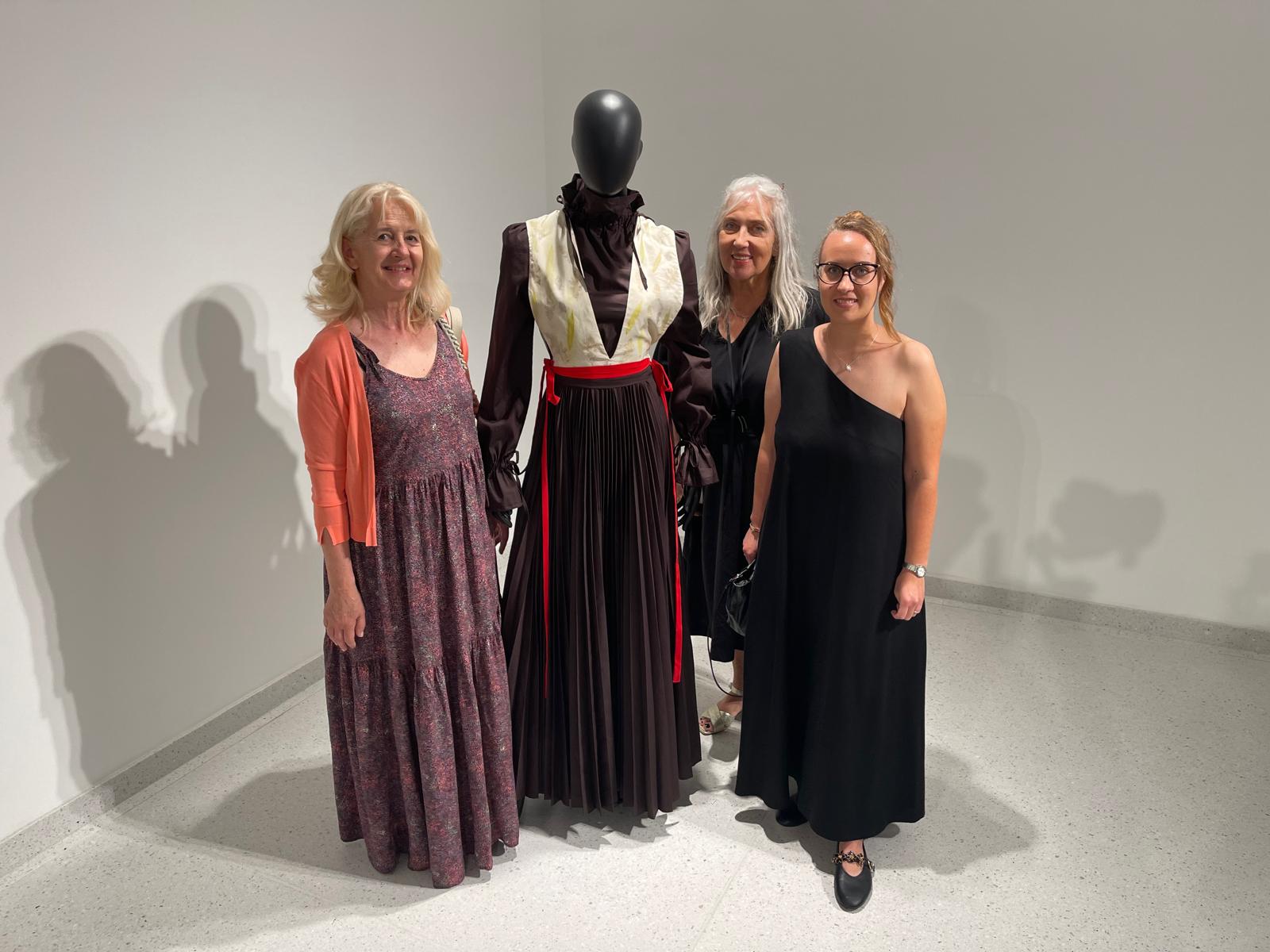
Staša Randall was born in Pula, Croatia, where she nurtured a passion for design from a very young age. Growing up in a family deeply rooted in the arts, it was only natural for Staša to find her path in the world of fashion and design. At just four years old, Staša began sewing under the guidance of her mother, a costume designer for ballet and theater. This early introduction to the world of fabrics, patterns, and design principles laid the foundation for her future career. Staša Randall has gained significant experience in the fashion industry, working with renowned designers and brands. Her professional journey includes: Gan Gan London – Assistant Womenswear Designer, 2015. Mehle London – Assistant Womenswear Designer, 2016. Roland Mouret – Assistant Womenswear Designer, 2017. Amicor Green Resort by Valamar, Hvar – In 2022, Staša was commissioned to design staff uniforms for the hotel—a project she completed under her own brand, STAŠA DESIGN. These roles allowed Staša to refine her design skills and gain an understanding of the complex dynamics of the global fashion industry. Recognition and Achievements Staša’s talent has been acknowledged through various awards and exhibitions: First Exhibition (2011) – Held at the "Vladimir Horvat" Gallery in Zagreb, focusing on the theme "Five Elements." Dreft Fashion Week, Zagreb (2014) – She secured a top-three placement, establishing her as one of the region's emerging young talents. "Triangle" Collection (2015) – Recognized as one of the top 30 young Balkan designers—a significant achievement within the regional fashion scene. "4sqm of Pure" Collection (2017) – Selected for London Fashion Week (February 2017), further solidifying her international presence. The “Equality” collection – presented at a pop-up shop during London Fashion Week by the fashion platform N7FUK in September 2018 and February 2019. The 60th Castrum Vallis exhibition (2024) – Staša’s textile artworks were exhibited in Bale, Croatia, showcasing her versatility as a textile artist.
- Region: Istria
- Artistic Focus: New media and interdisciplinary practices
- Info:
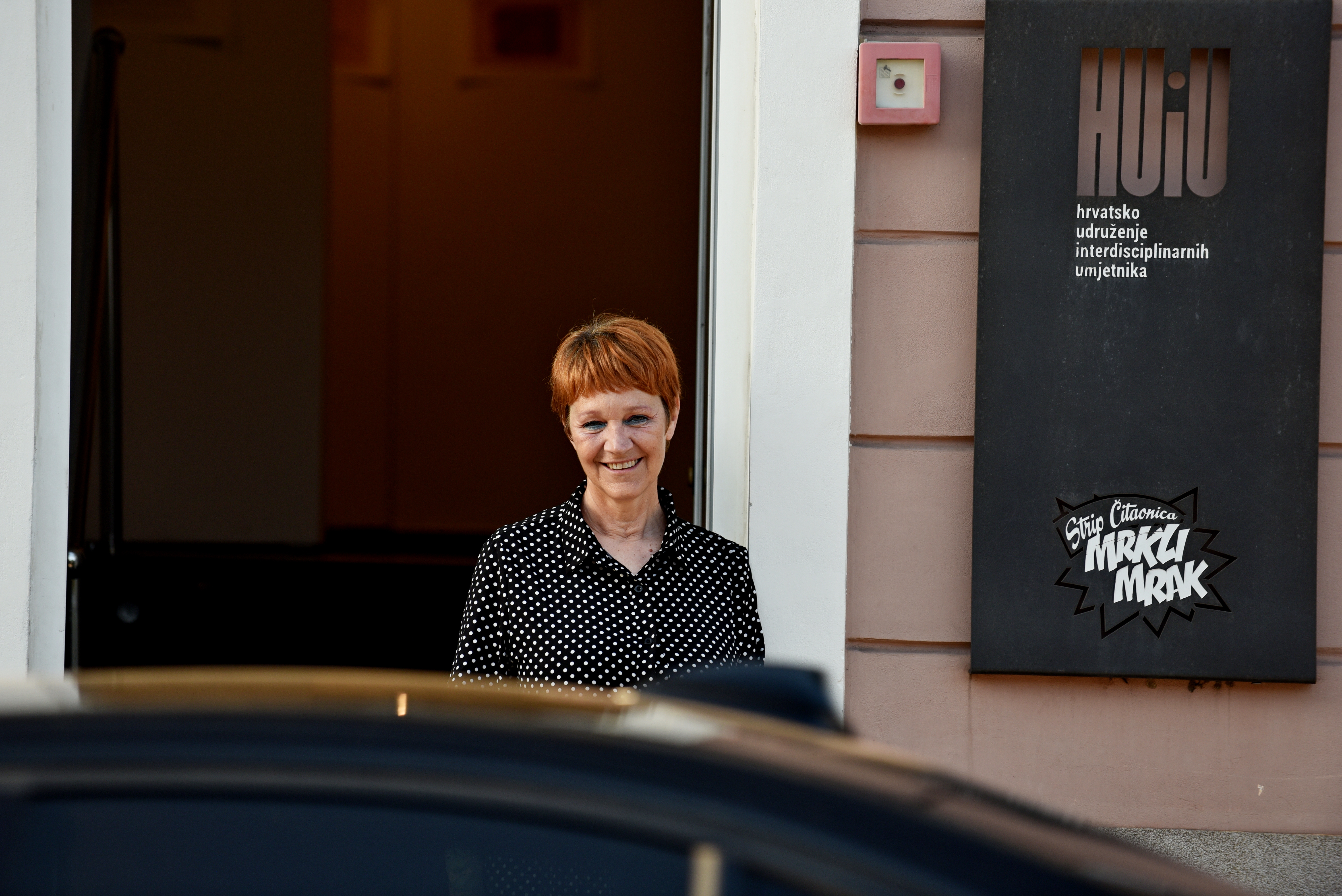
The mission of the Croatian Association of Interdisciplinary Artists (HUIU) - the only professional association of its kind in Croatia - is to represent the interests of and facilitate networking among artists whose work and creative output transcend traditional conventions. Furthermore, it aims to promote the significance of a critical and innovative interdisciplinary approach to contemporary artistic production. Within the socio-cultural framework of developing new media and interdisciplinary practices - which lies at the core of HUIU’s activities - the audience is approached as a heterogeneous, active subject. Through its exhibition activities and programs, HUIU seeks to introduce the concept of interdisciplinary arts to a broader public, encouraging an engaged reflection on - and redefinition of - artistic media and their expressive potential within a contemporary context. It also fosters a critical and analytical approach to the selection and integration of multimedia elements, tailored to specific concepts and contexts. Through workshops and programs developed in collaboration with educational institutions, HUIU promotes an interdisciplinary approach within the arts sector; this involves educating participants on how to integrate and expand existing skills in practical, innovative ways. Simultaneously, the association actively works to foster networking and collaboration among institutions, organizations, and professionals active in the cultural sphere. A concerted effort is made to bridge the gap between formal education in traditionally defined artistic disciplines and the latest technological and theoretical innovations - as well as the corresponding demands of the market - thereby better preparing individuals for the labor market and helping them navigate contemporary trends. At the same time, the implementation of these programs serves as a platform for exploring the development of new educational methodologies.