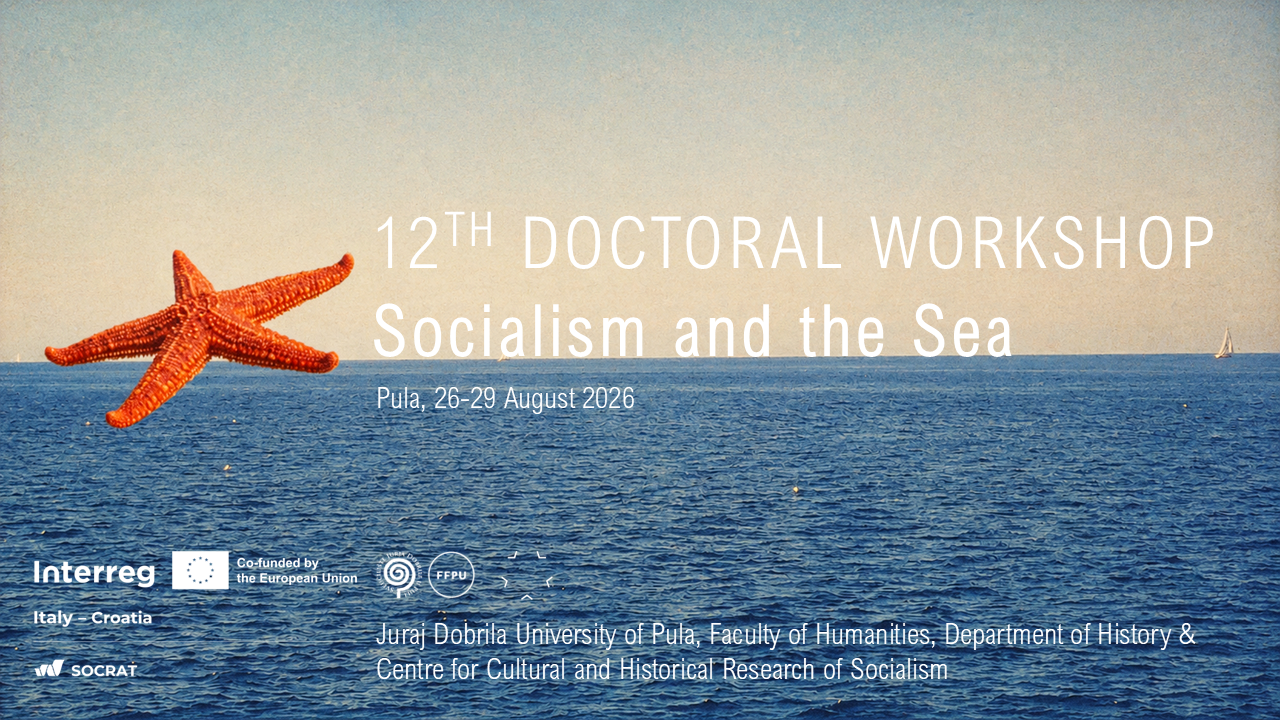
Dissemination event in Istria: Doctoral workshop - Socialism and the Sea
- Gallery:
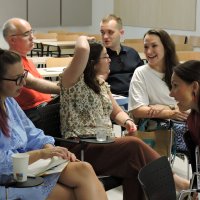
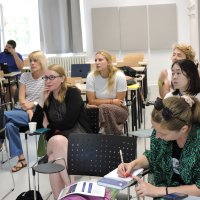
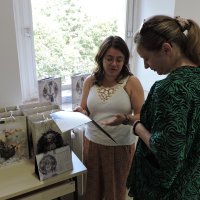
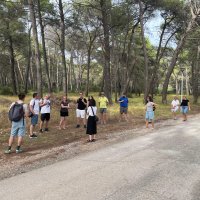
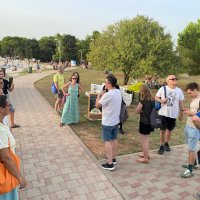
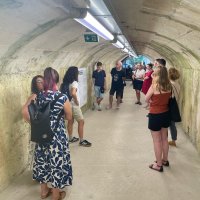

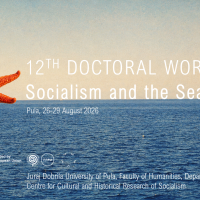

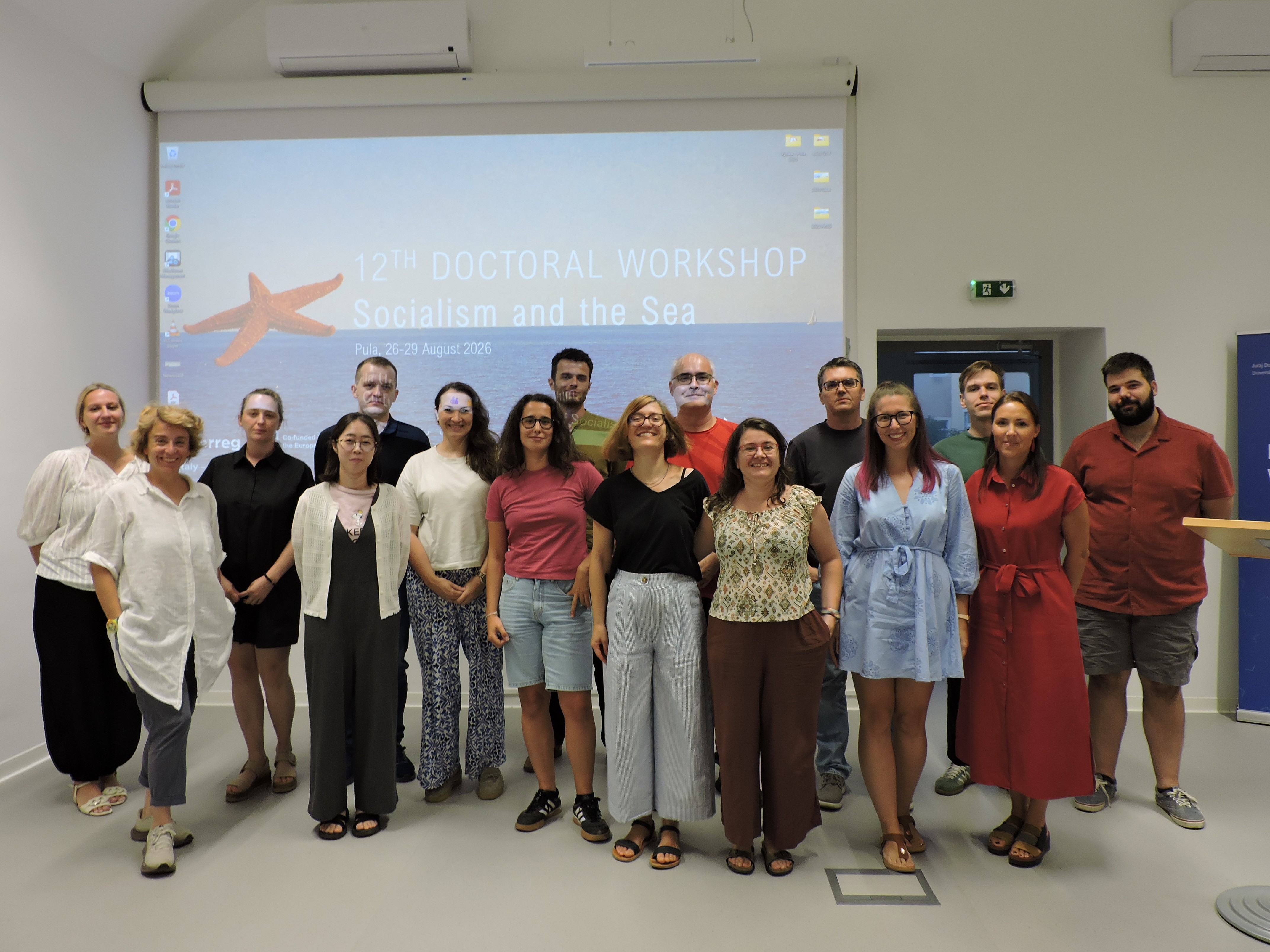
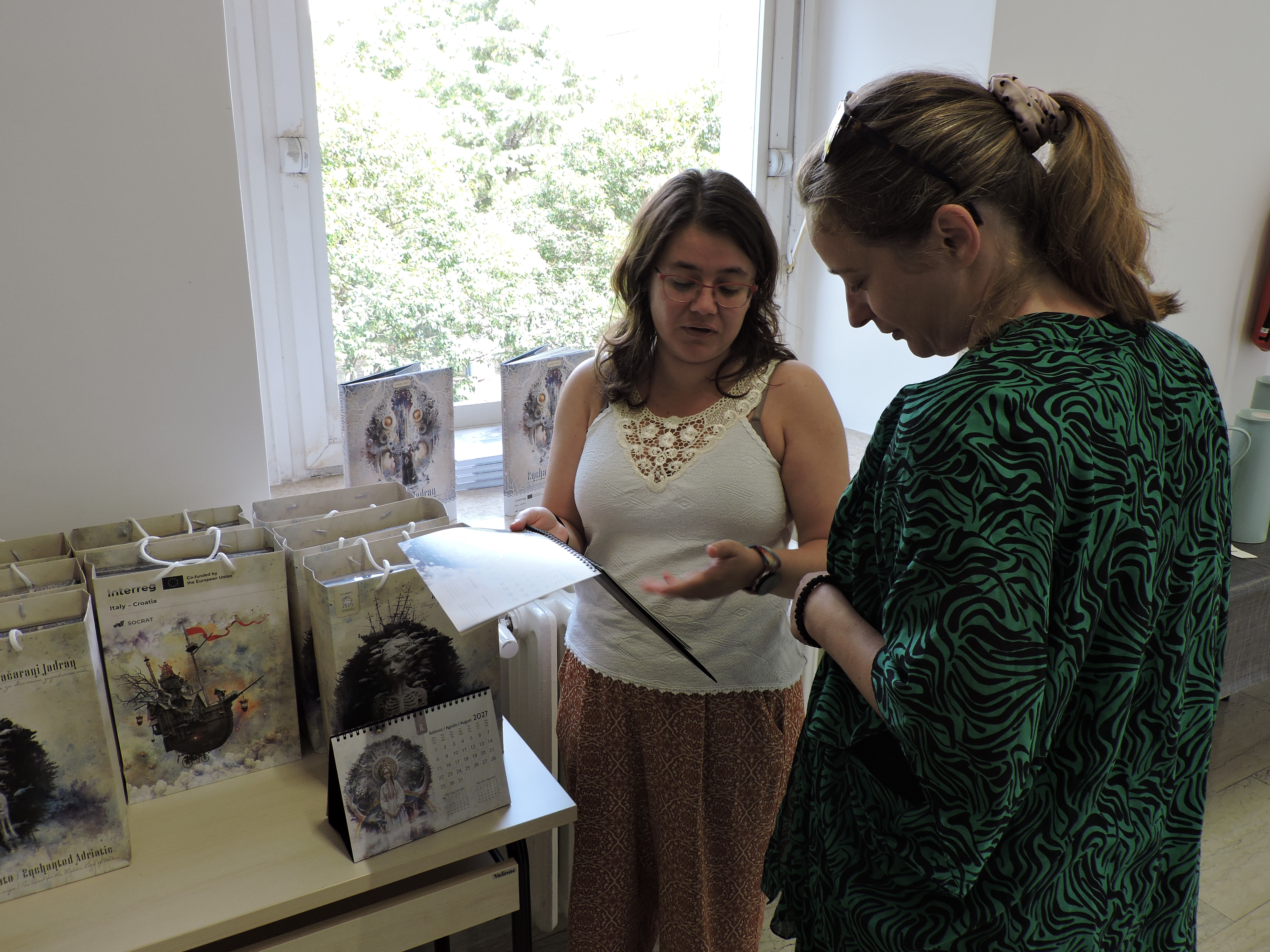
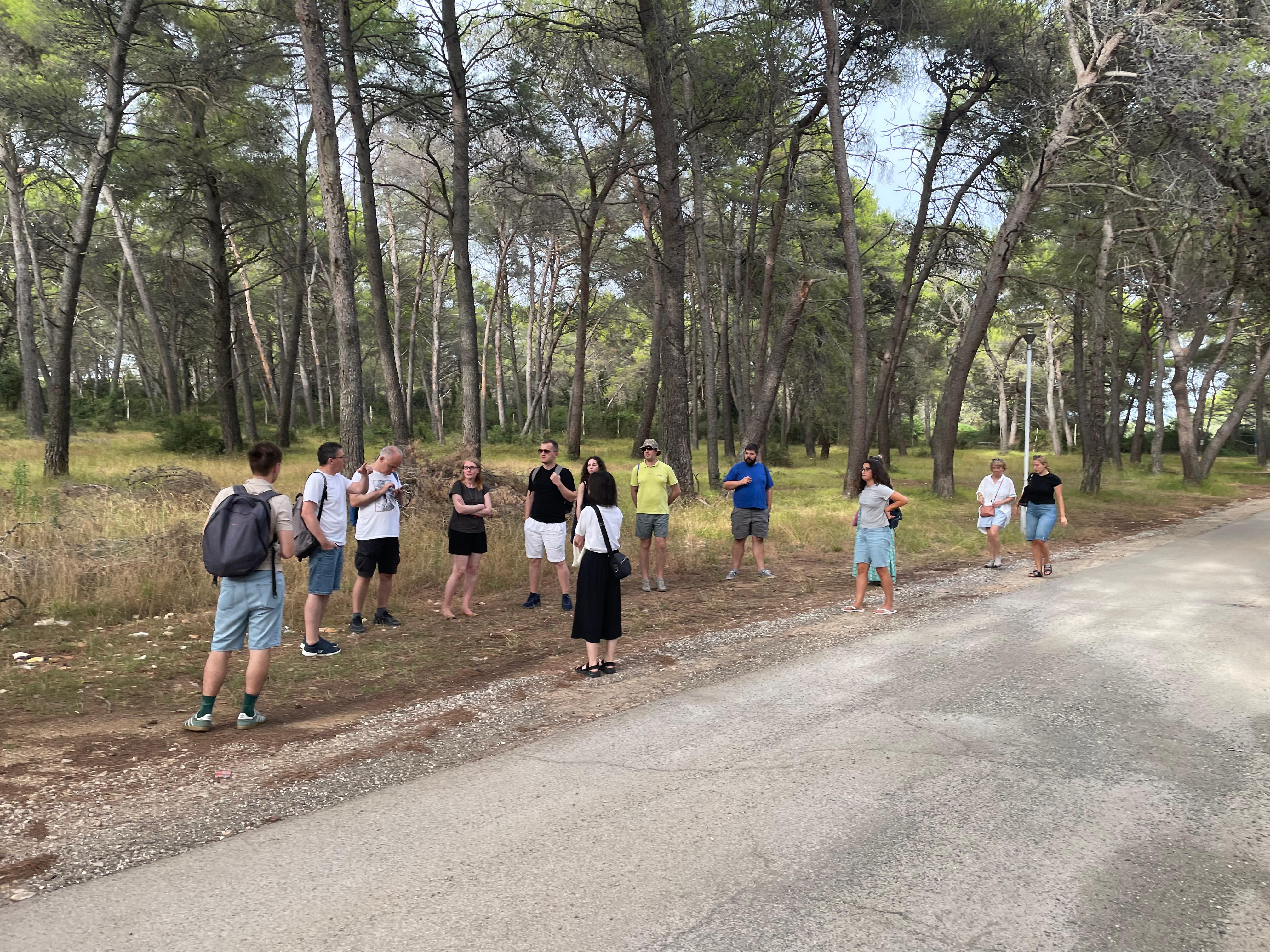
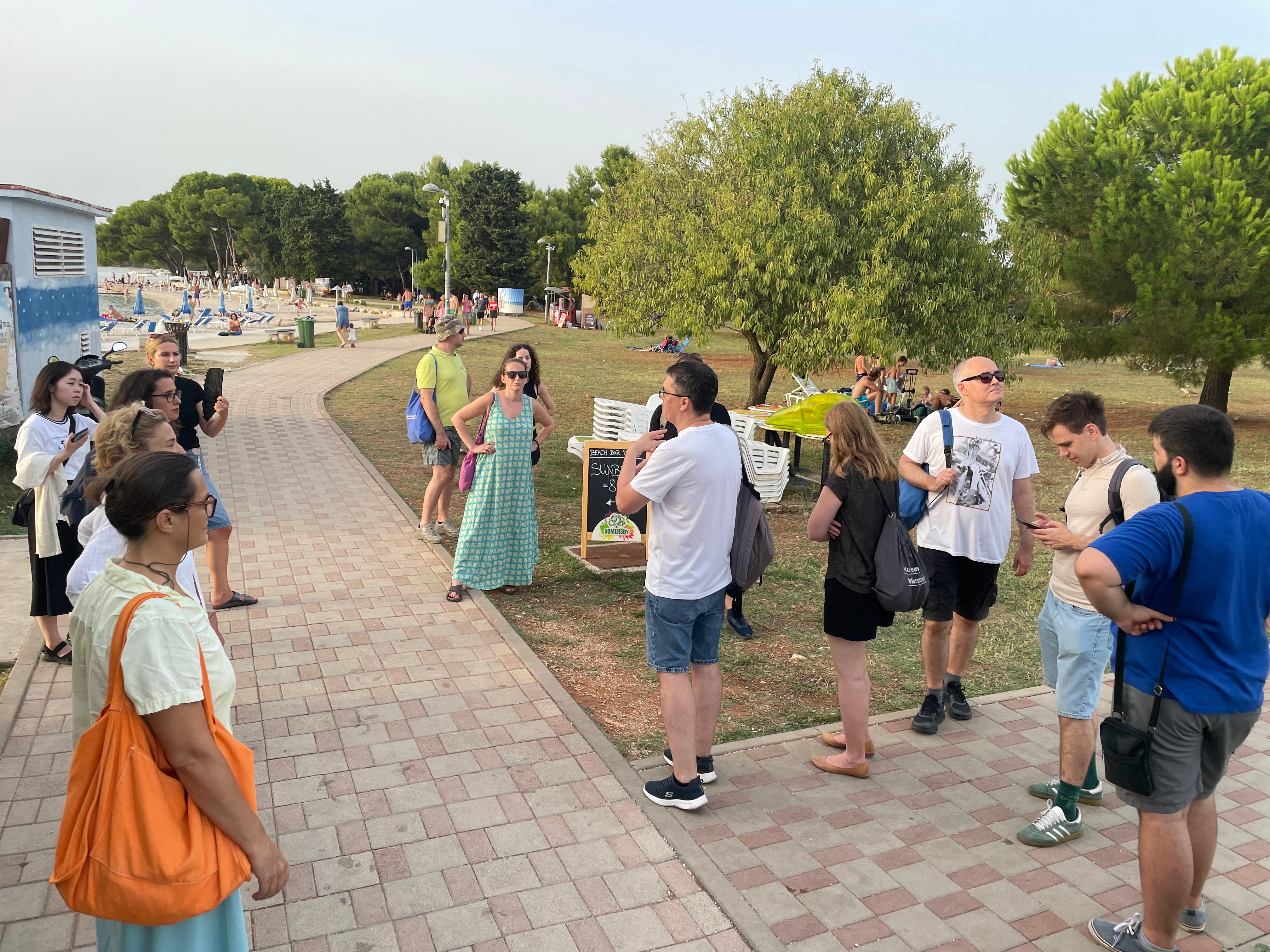
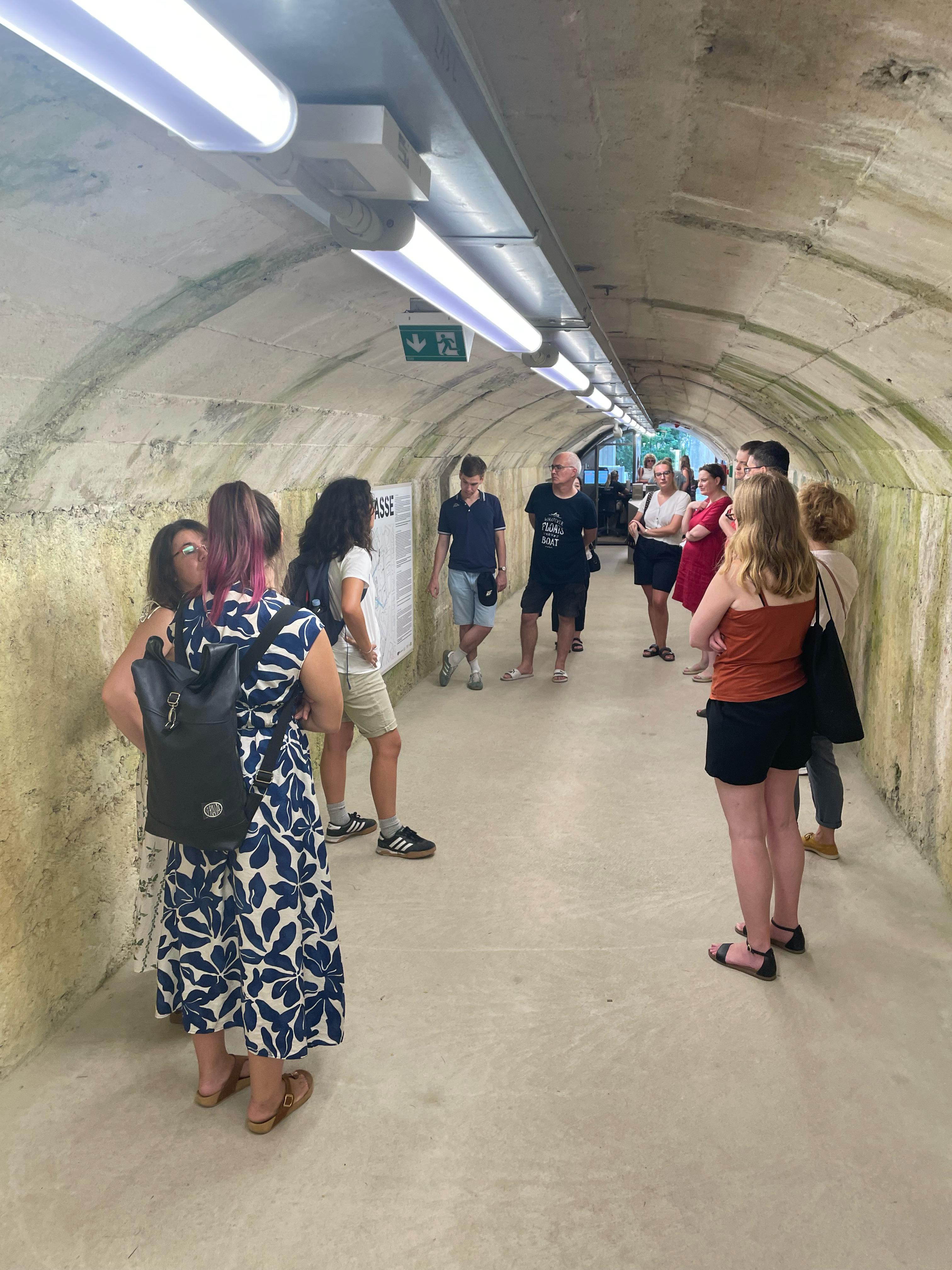
Region of Istria, PP5, in the frame of D.3.4.1 n.5 local dissemination events organised doctoral workshop with University of Pula held from 26th-29th of August 2026 in Pula.
The main purpose of the doctoral workshop under the name of „Socialism and the Sea“ was further research and extension of the topic of socialist heritage explored and promoted during first Creative Living Lab on performative artistic practices. Workshop was organised in Pula, within the collaboration with Juraj Dobrila University of Pula, Faculty of Humanities, Department of History & Centre for Cultural and Historical Research of Socialism. Event served as a dissemination activity aimed at educating and informing wider public and scholars about the project objectives, implemented activities, and achieved results related to sustainable and creative tourism development. It also explored further development possibilities of innovative tourism product of socialist heritage by means of scientific valorisation and exploration, as a necessary step for appropriate tourism valorisation and promotion.
Oriented towards PhD students in history, as well as in other fields of the humanities and social sciences, “Socialism and the Sea” workshop explore the relationship between socialist systems and policies on the one hand and the sea and the seaside as stages of historical events and processes on the other. Once secured by military power or political agreements, access to the coastline and to international waters offered opportunities for rapid economic development and became a source of national pride. Moreover, it opened new possibilities for cooperation and communication with foreign cultures and counterparts, whether statesmen, sailors, merchants, or travellers. Within a country, workers were turned into tourists, traditional fishing developed into an industry, shipbuilders learned to construct ocean liners, and windmills were replaced by power plants and pipelines. In its various forms, modernisation transformed villages into towns and cities, and dusty roads into highways. While migration brought people together into new urban structures, rural areas and the nearby hinterland often remained abandoned and forgotten, though sometimes ecologically preserved.
How did socialist states, as well as socialist and communist parties and movements across Europe and elsewhere, deal with their maritime policies? Was the sea perceived primarily as a source of foreign threat or as a bridge to internationalism and solidarity? Ranging from its role as a dangerous divider in conflicts and disputes to a romantic setting enabling pleasure and encounters between like-minded people, the sea and its history reveal much about societies shaped along their shores. The workshop therefore invited contributions that examine coastal societies, maritime economies, littoral and land-locked perspectives, and various cultural and intellectual imaginaries of the sea in socialist discourse and practice.
Gallery