
News and Events

- Gallery:
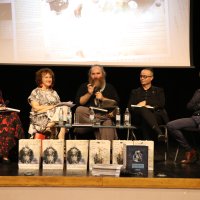
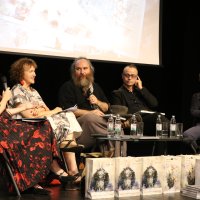
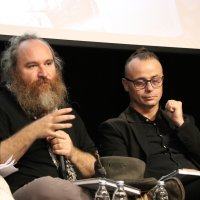
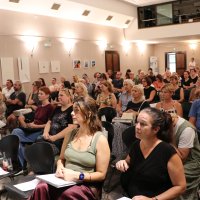
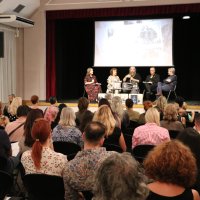
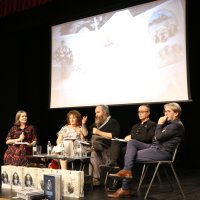
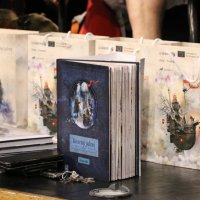
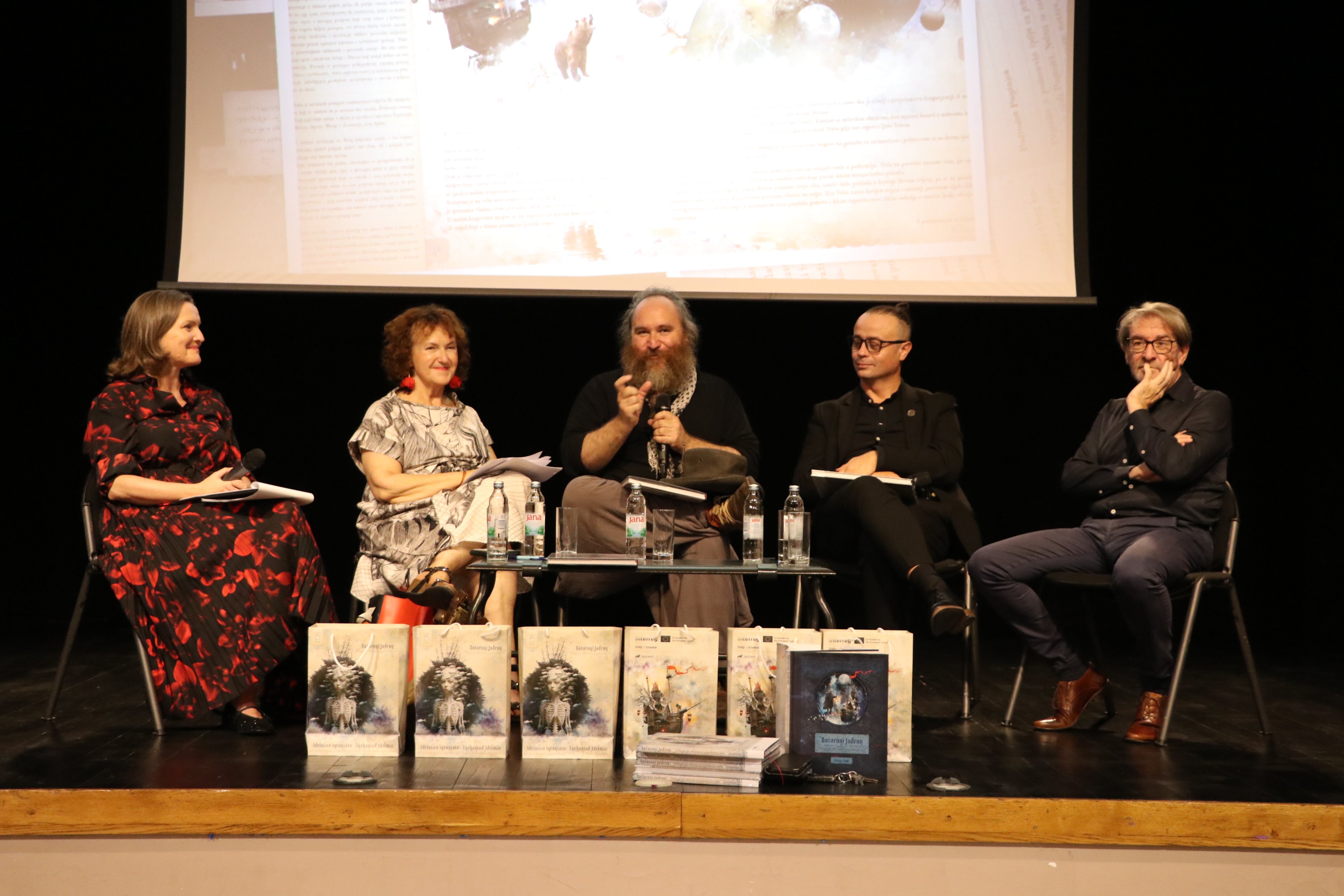
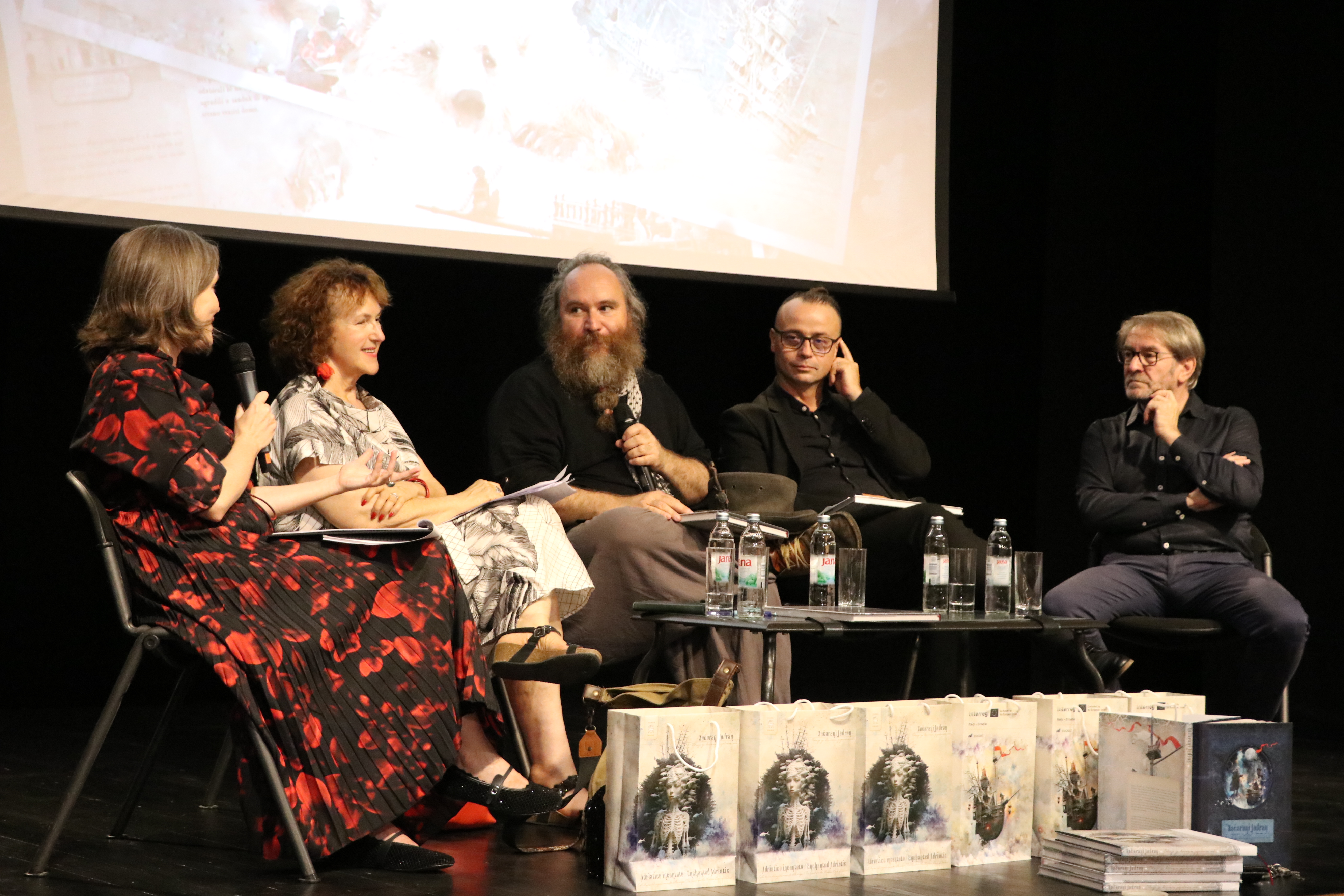
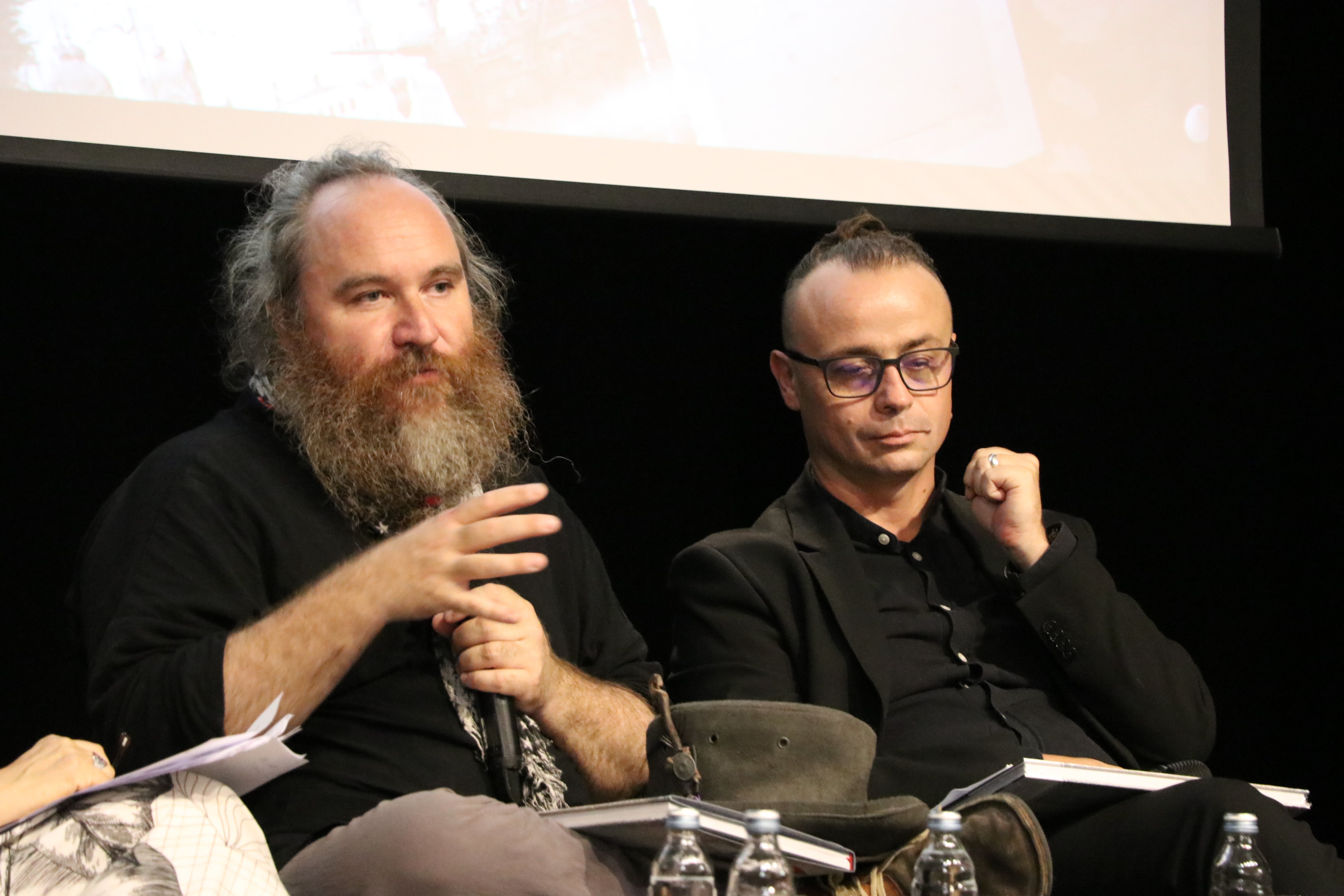
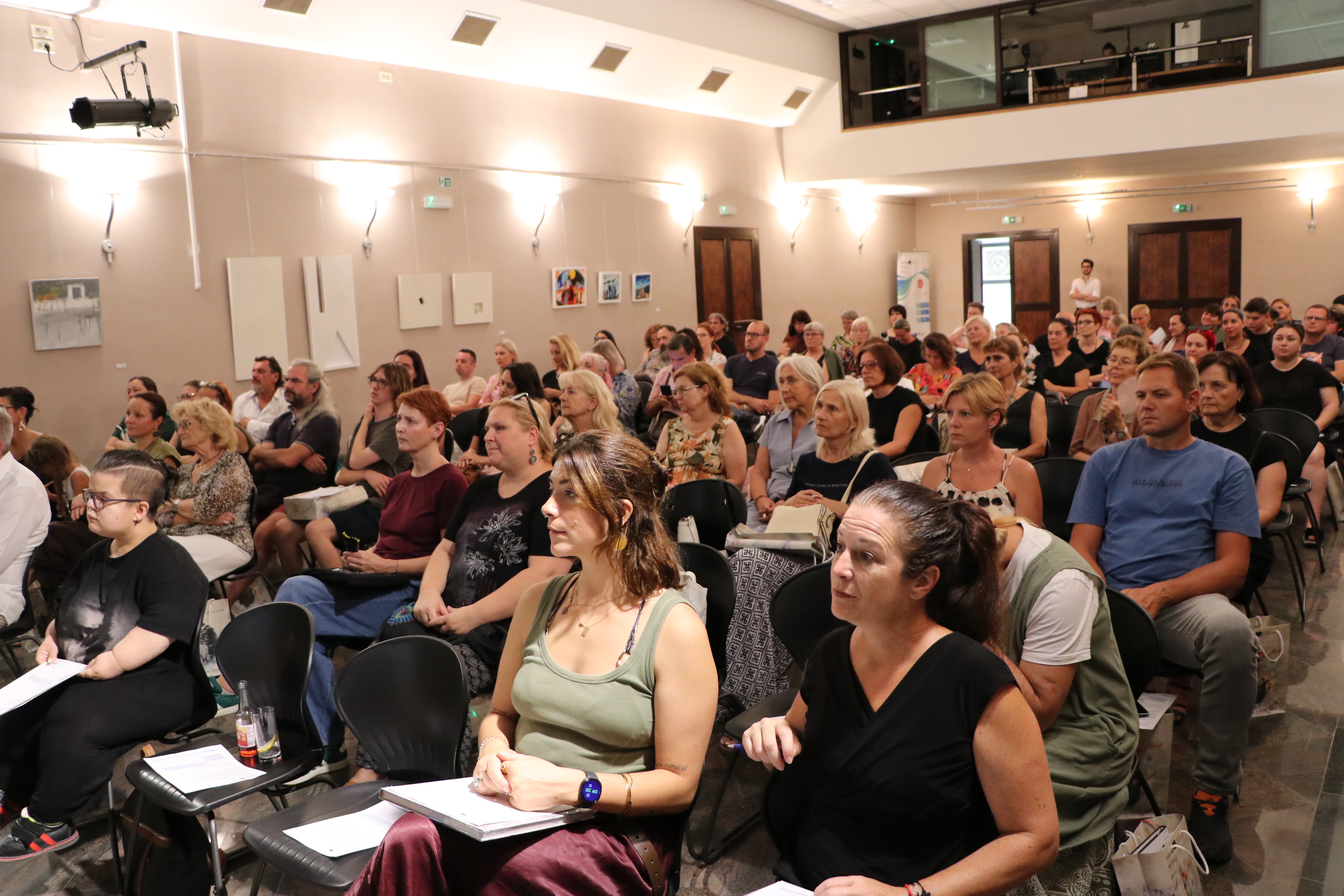
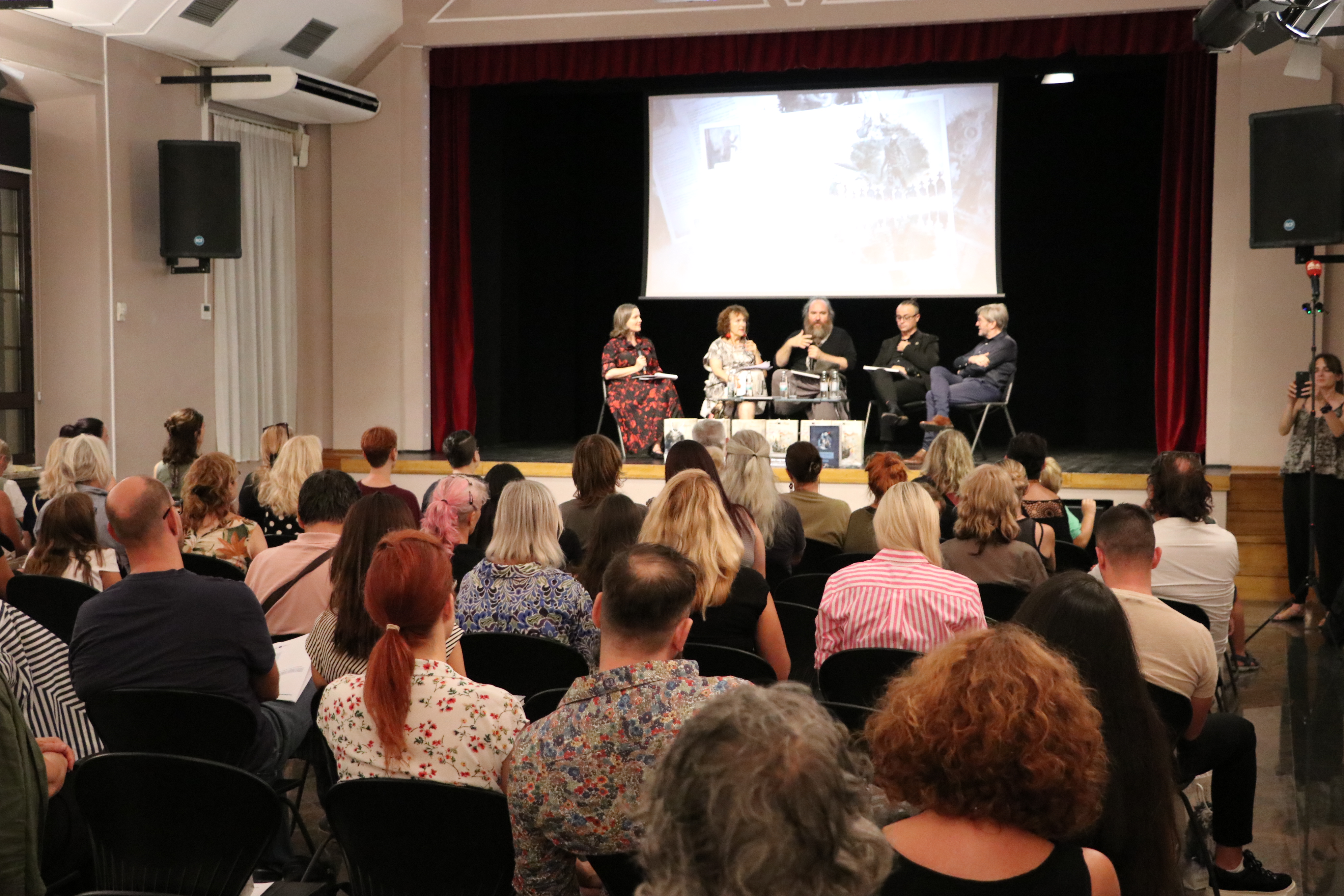
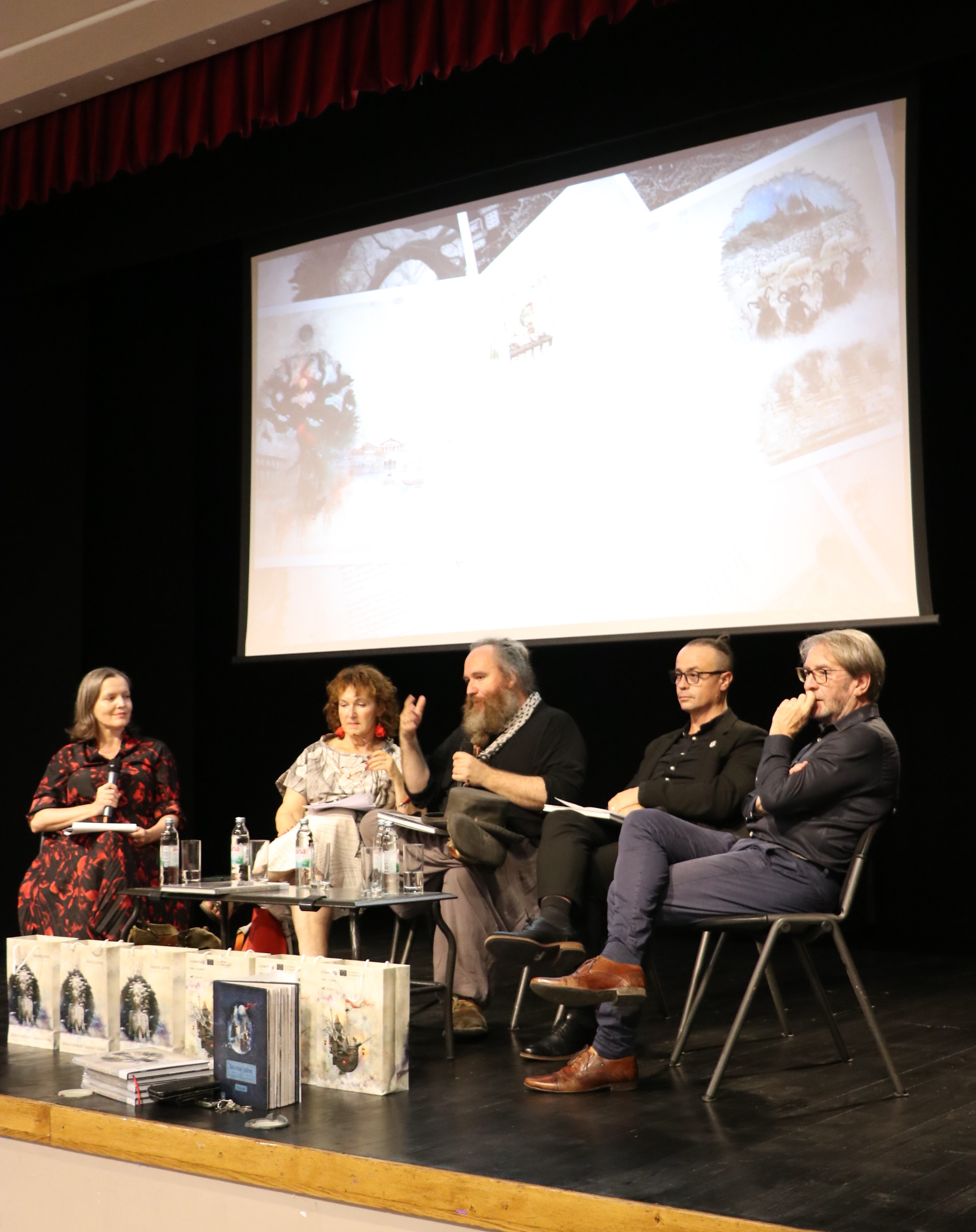
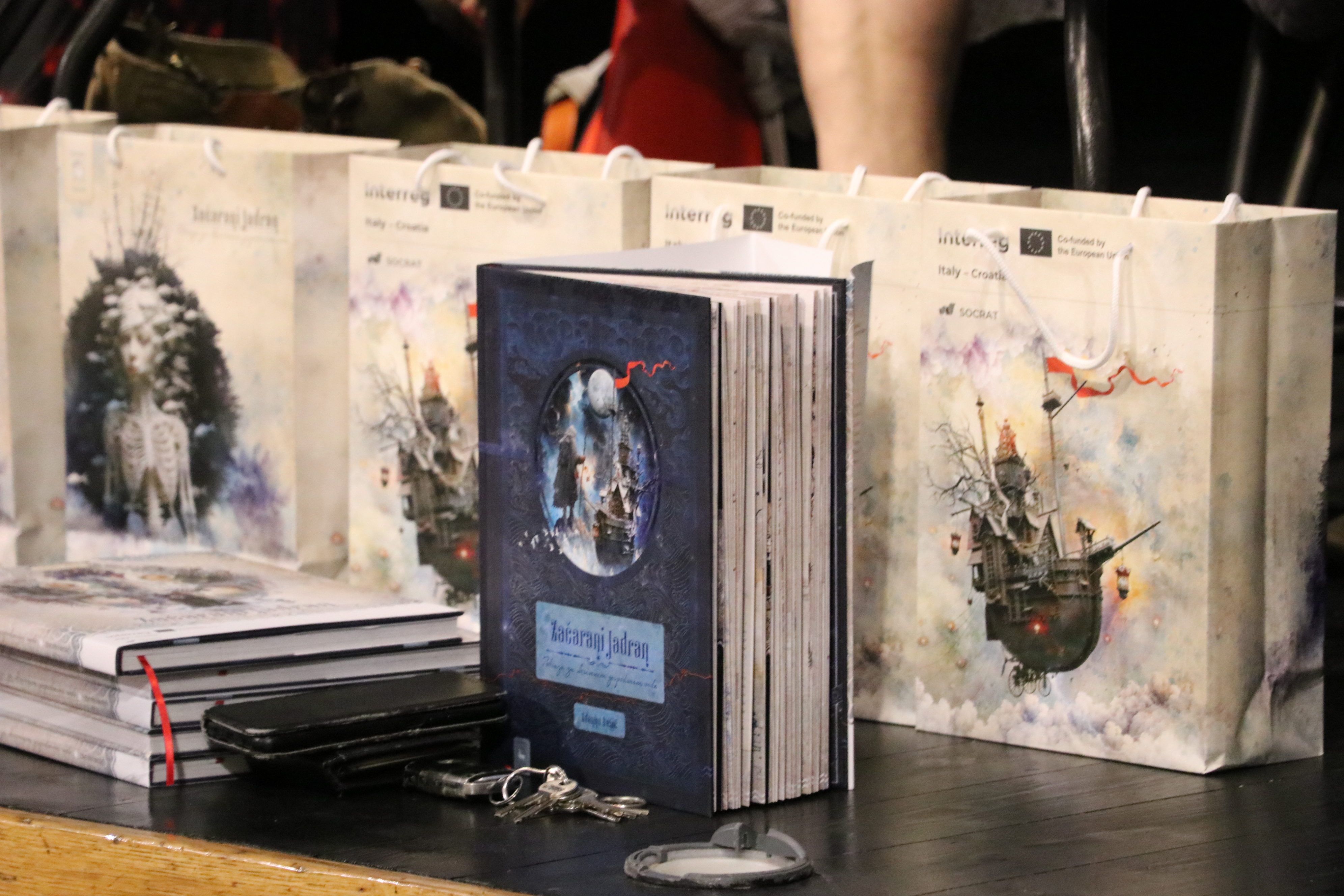
Region of Istria organised dissemination event in form of book presentation on 26th of August 2026 at the premises of Italian Community Centre in Pula where SOCRAT illustrated book for children and adults “Enchanted Adriatic” was presented to the media, tourists, local community and project stakeholders. More than 70 participants joined presentation and book signing and talk with the author, making this event highly recognised and publicly visible contributing strongly to SOCRAT dissemination and promotion.
Book presentation contributed significantly to the visibility and promotion of the SOCRAT project, since it was, by book lovers and media representatives, highly anticipated presentation of the new illustrated book of the most nationally and internationally awarded Croatian storyteller and illustrator Zdenko Bašić. SOCRAT publication “Enchanted Adriatic” presents the exploration of the world of folklore encompassing Istria, Dalmatia, the islands, and the Adriatic coast, as well as Venice and South Italy, though the journey is not merely geographical. The protagonist and narrator, Valvasor, boards the sailing ship “Noordung” and "sails" across timelines and the waters - both inland and marine - of the Adriatic coast. His goal is to find the unknown master of the water element. On this journey, real-world locations serve as starting points for encounters with much older layers of the landscape: Slavic gods, fairies, “štrige” (witches), “krsnici” (healers/protectors), “maliki” (household spirits), the “ork” (sea monster), mythical forces of sea and wind, and customs in which traces of ancient beliefs persisted long after the arrival of Christianity. For this reason, “Enchanted Adriatic” is neither a classic collection of legends nor a guide to mythology - it as an illustrated fictional travelogue that captures ancient folk traditions and myths of the Adriatic in a new visual form.
In the book's foreword, Dr. Deniver Vukelić identifies precisely this as its distinctive quality: “Zdenko Bašić’s Enchanted Adriatic opens a space of encounter between myth, history and the visual imagination. Drawing upon the Slavic – and more precisely Croatian – mythological heritage, as well as upon the layered history of the Croatian Adriatic coast, this book offers far more than a sequence of tales from times long past. Instead, it shapes an entire world in which gods, fairies, štrige, krsnici and other mythical beings, together with seas, winds, hillforts, islands and coastal landscapes, are interwoven with Croatian cultural memory. Bašić’s distinctive artistic language, formed at the intersection of illustration, animation, scenography and storytelling, is particularly suited to such a subject. His images do not merely accompany the text as ornamentation; they expand it, interpret it and draw the reader into the atmosphere of forgotten lore. Richly illustrated with the author’s own works, the book seeks to bring older layers of belief closer to the contemporary reader and to reveal how mythology, folk tradition and the history of the Adriatic may still remain living sources of identity, imagination and cultural heritage today.”

- Gallery:
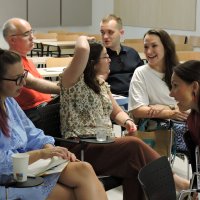
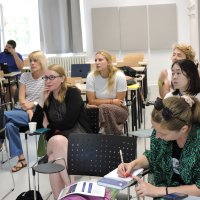
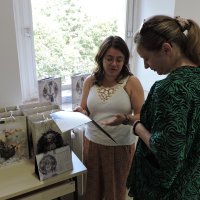
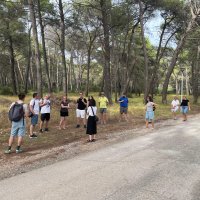
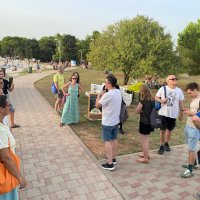
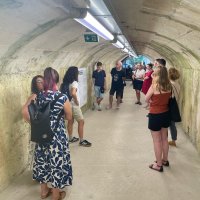

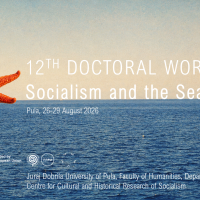
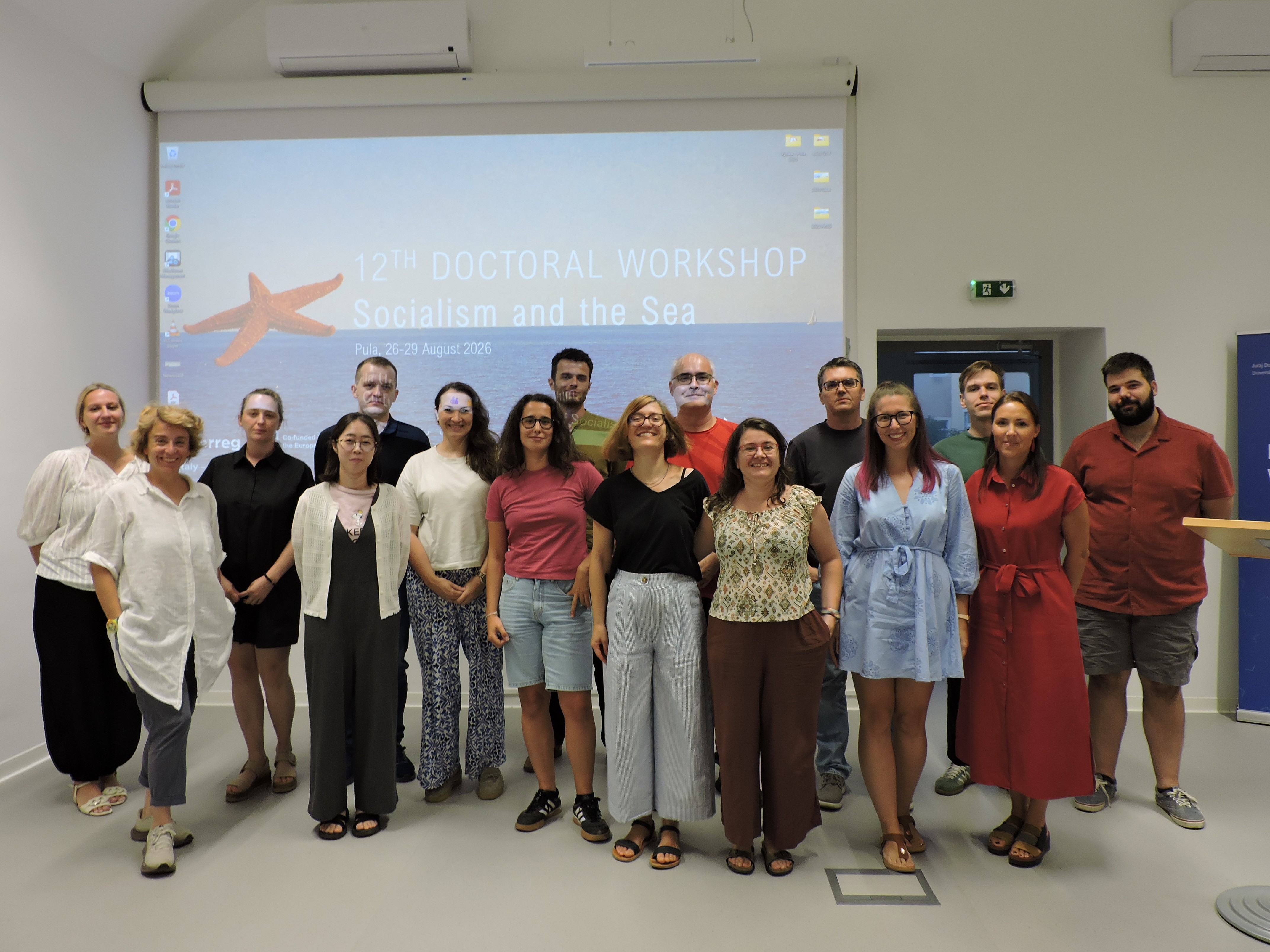
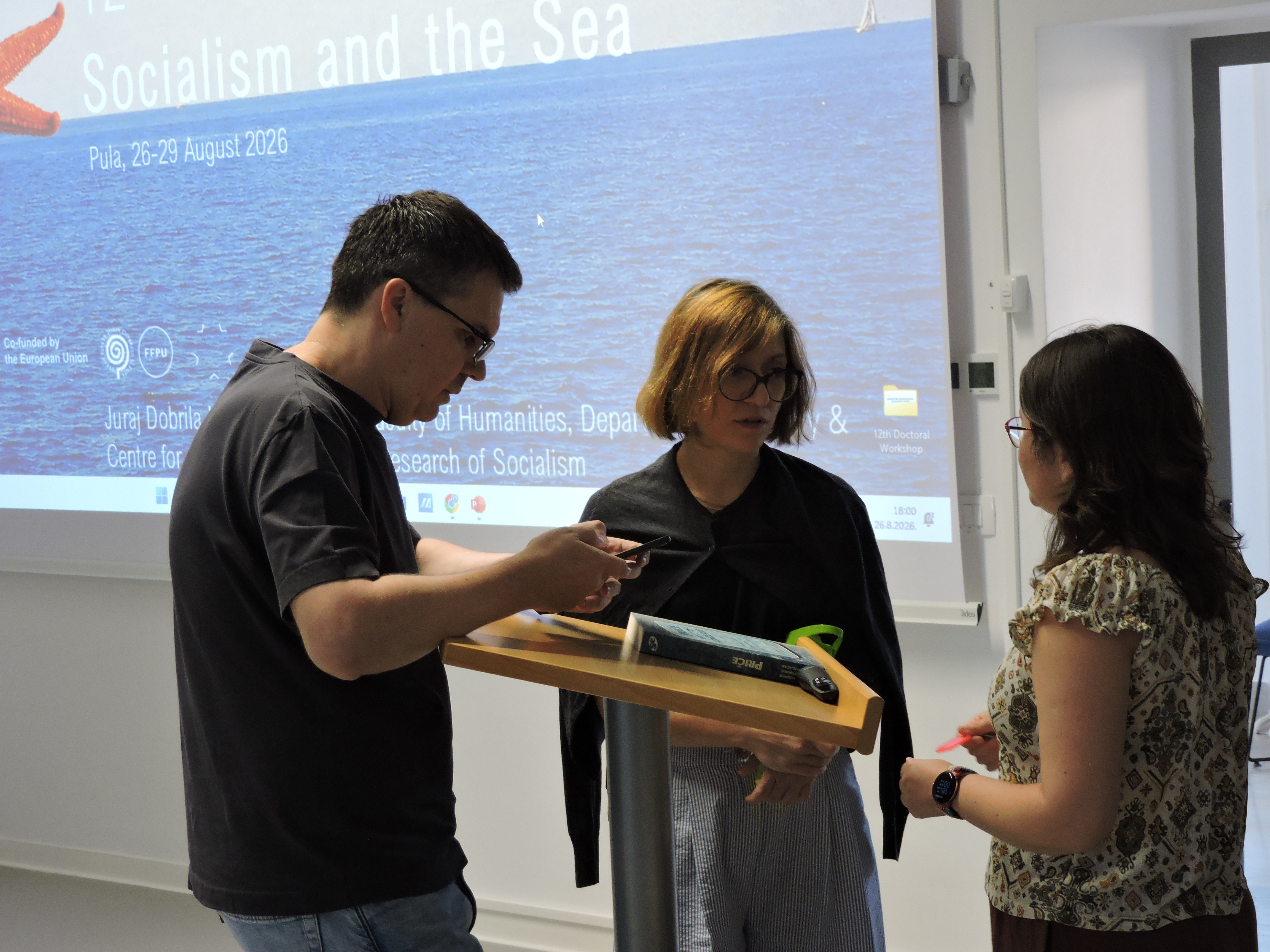
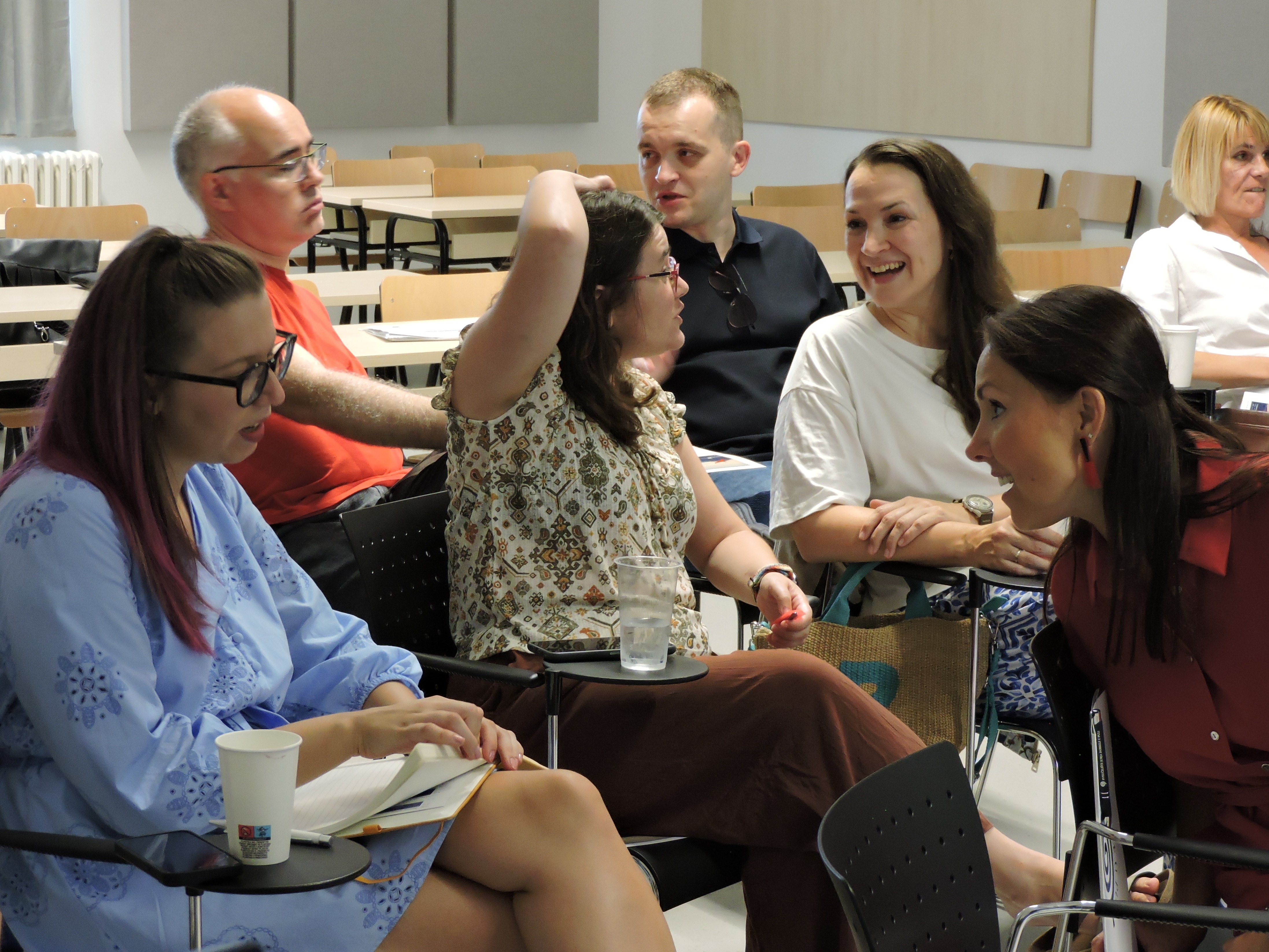
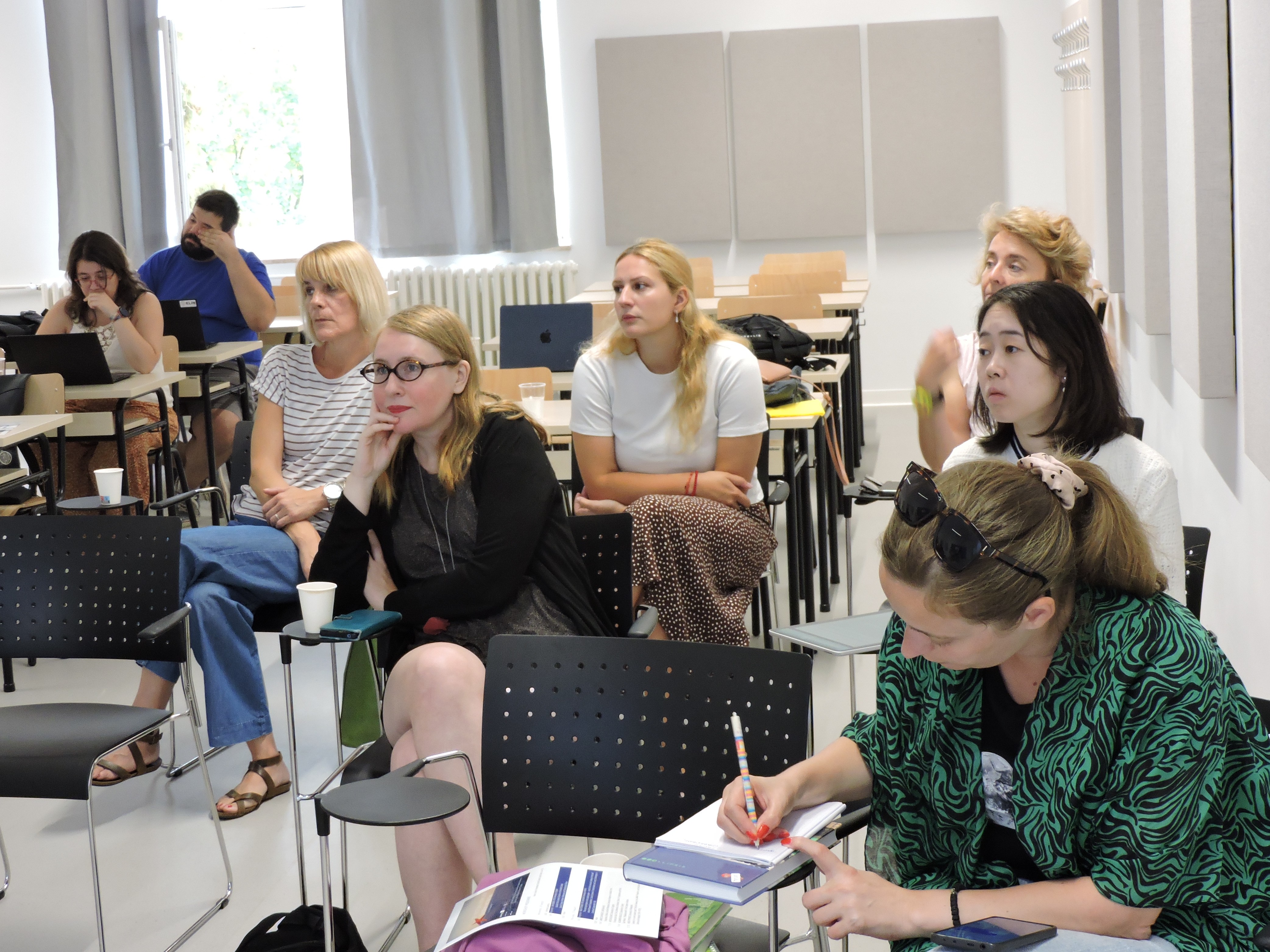
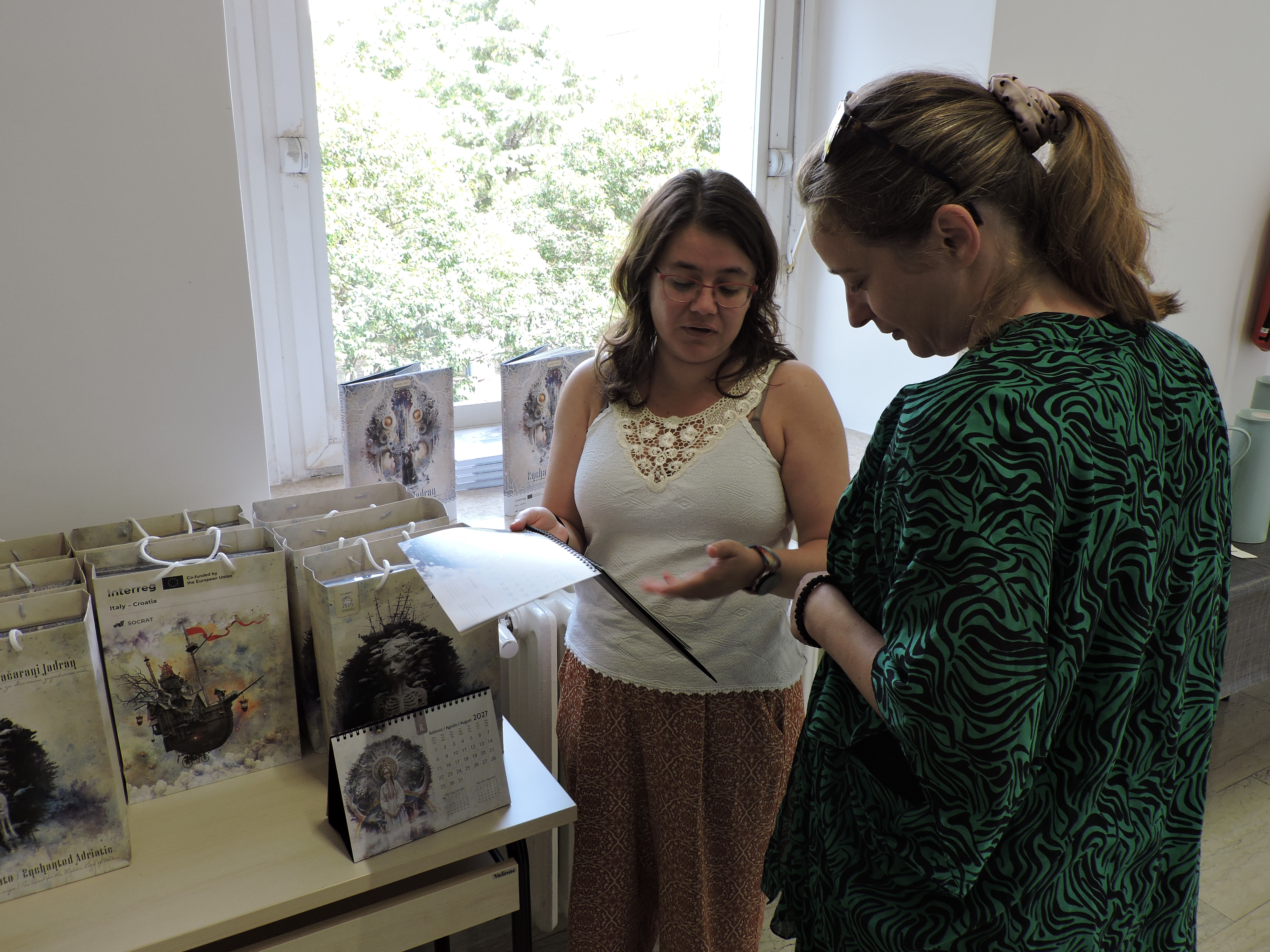
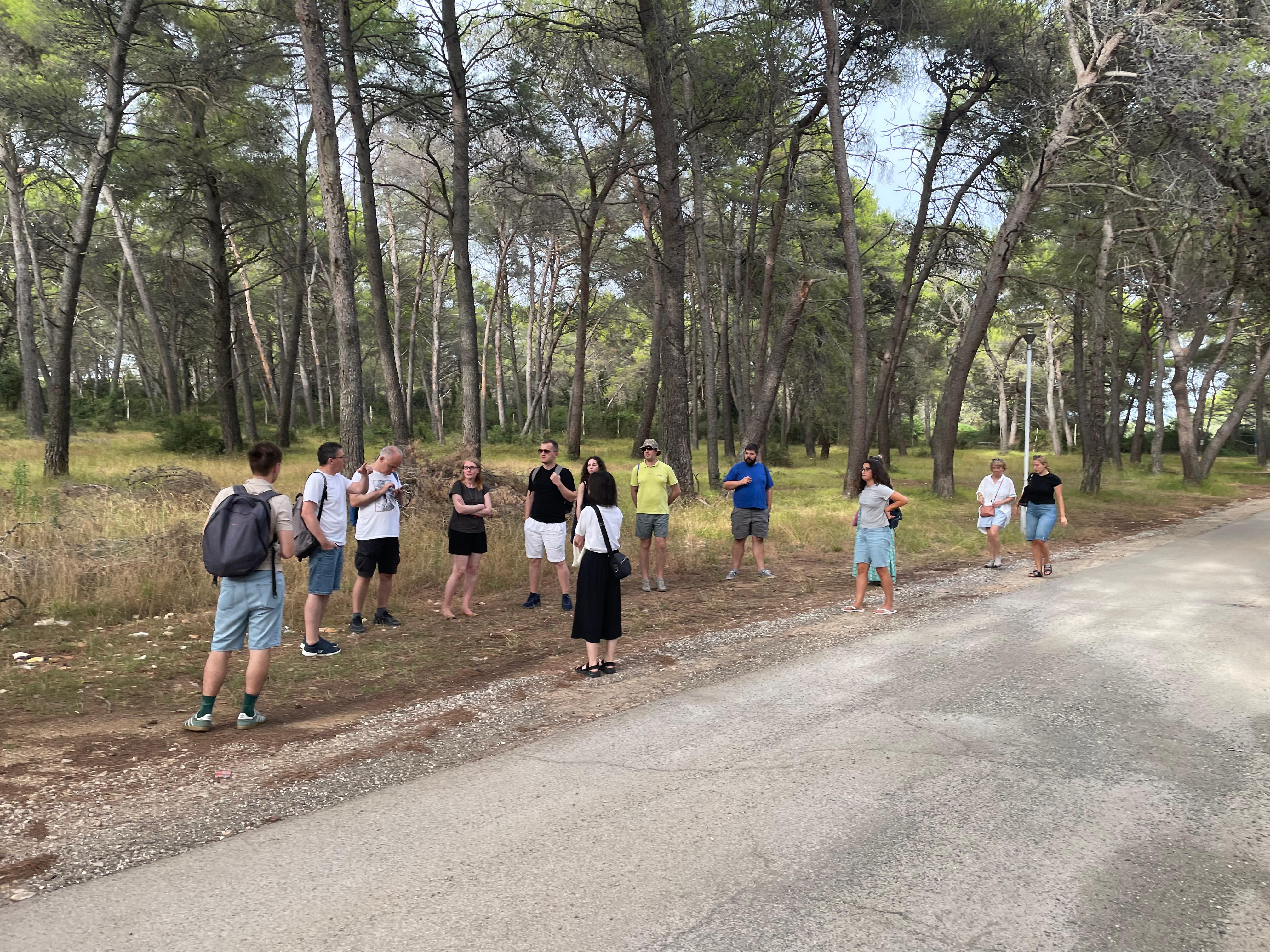
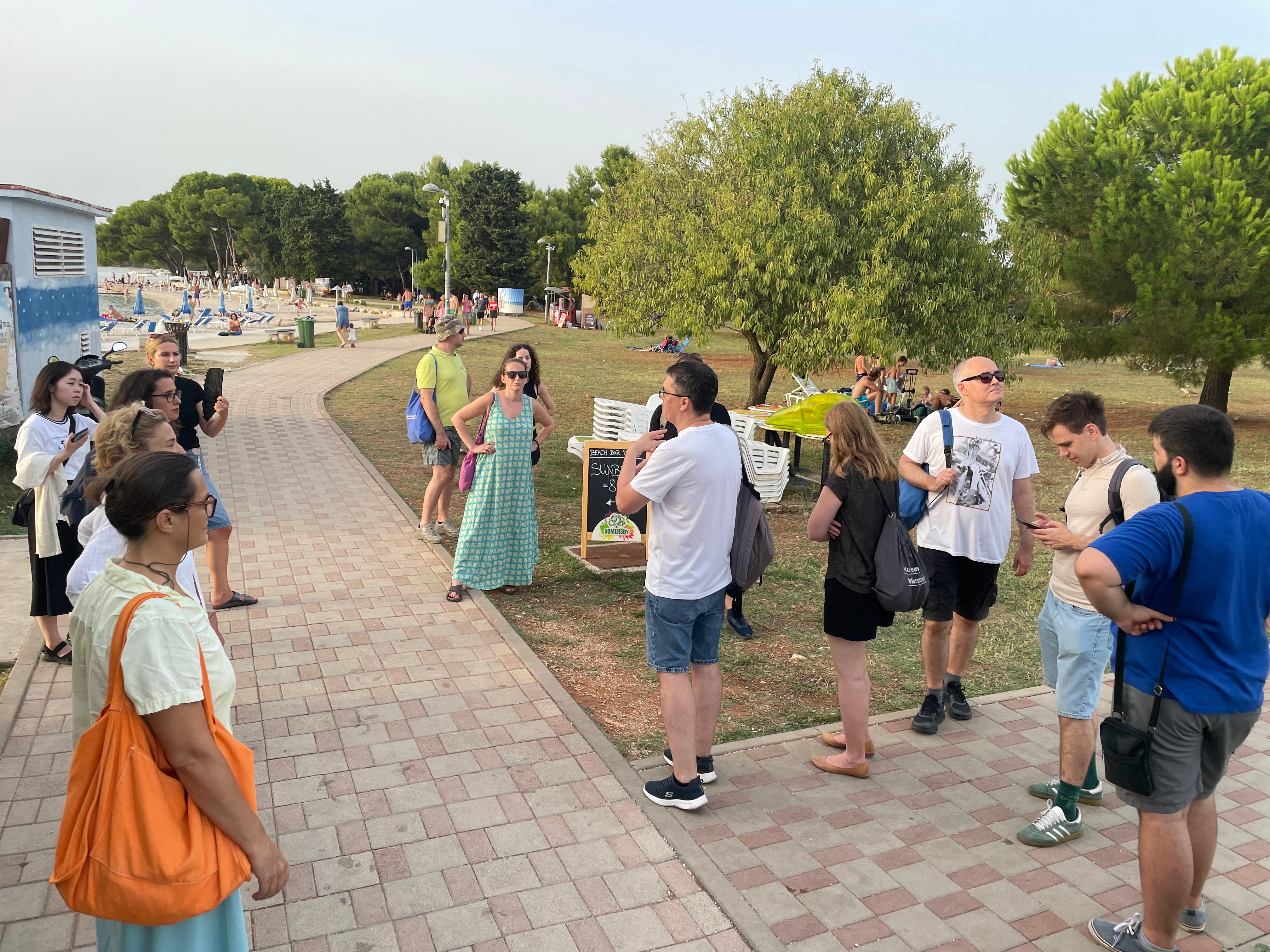
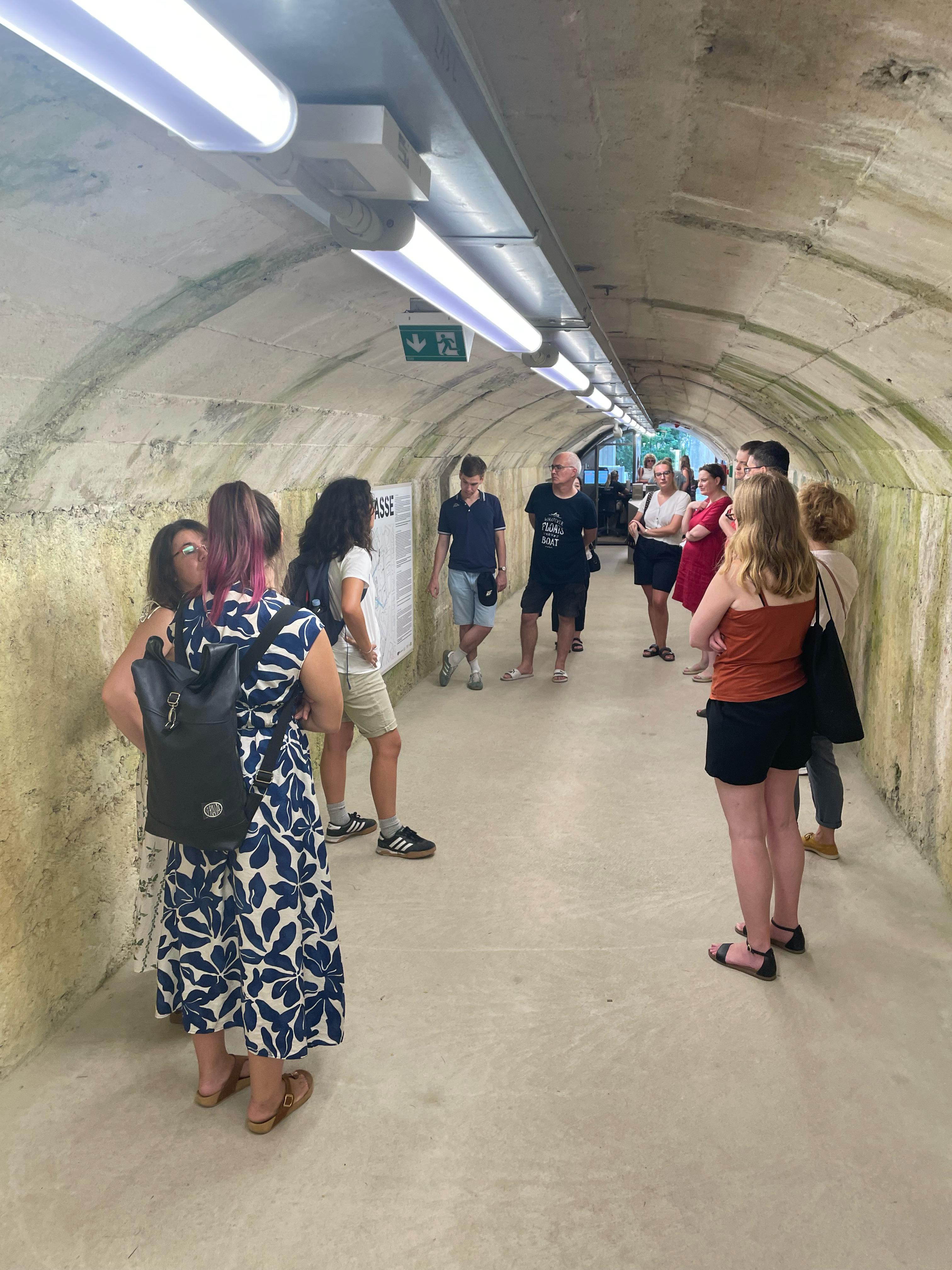
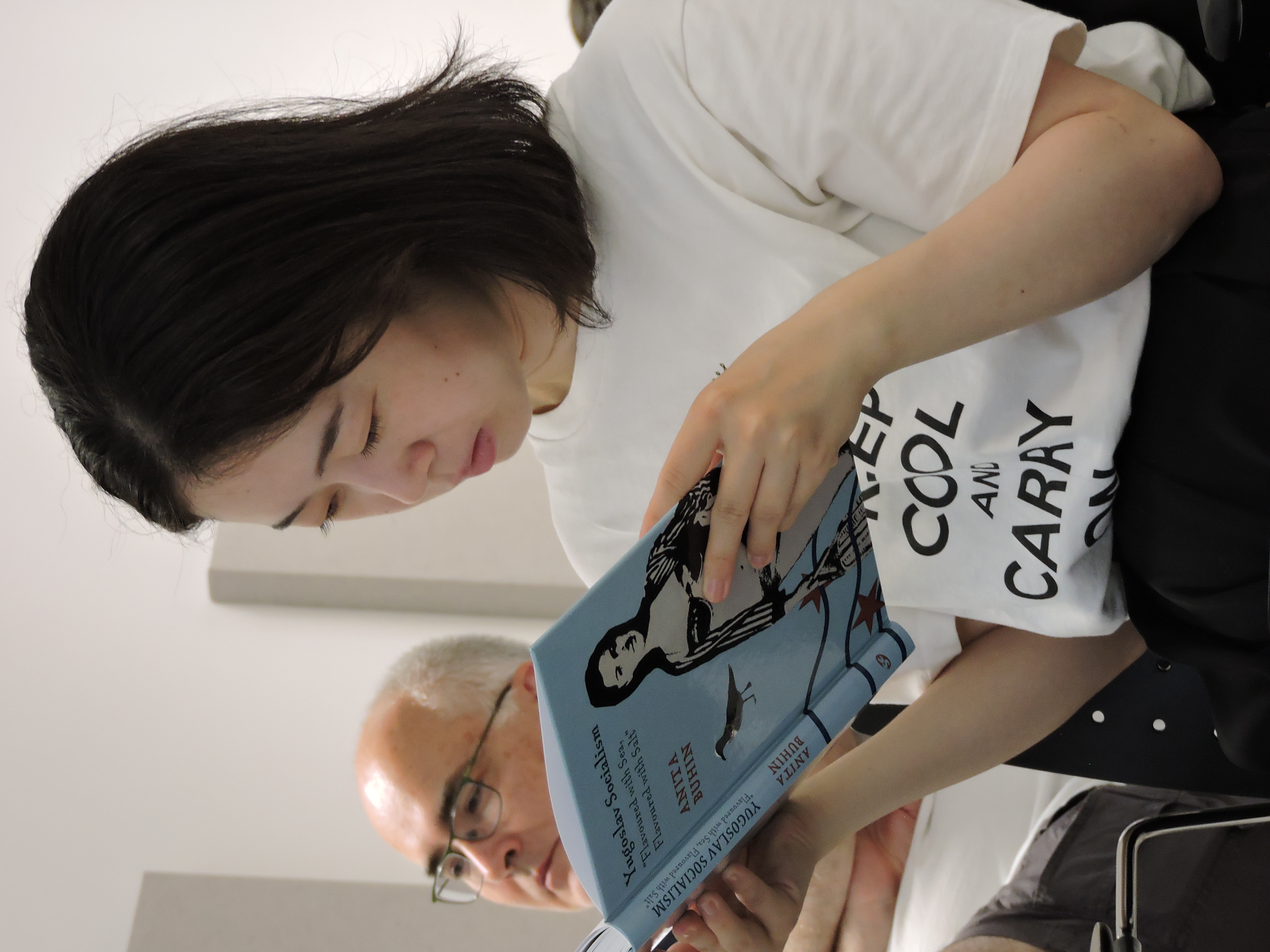
Region of Istria, PP5, in the frame of D.3.4.1 n.5 local dissemination events organised doctoral workshop with University of Pula held from 26th-29th of August 2026 in Pula.
The main purpose of the doctoral workshop under the name of „Socialism and the Sea“ was further research and extension of the topic of socialist heritage explored and promoted during first Creative Living Lab on performative artistic practices. Workshop was organised in Pula, within the collaboration with Juraj Dobrila University of Pula, Faculty of Humanities, Department of History & Centre for Cultural and Historical Research of Socialism. Event served as a dissemination activity aimed at educating and informing wider public and scholars about the project objectives, implemented activities, and achieved results related to sustainable and creative tourism development. It also explored further development possibilities of innovative tourism product of socialist heritage by means of scientific valorisation and exploration, as a necessary step for appropriate tourism valorisation and promotion.
Oriented towards PhD students in history, as well as in other fields of the humanities and social sciences, “Socialism and the Sea” workshop explore the relationship between socialist systems and policies on the one hand and the sea and the seaside as stages of historical events and processes on the other. Once secured by military power or political agreements, access to the coastline and to international waters offered opportunities for rapid economic development and became a source of national pride. Moreover, it opened new possibilities for cooperation and communication with foreign cultures and counterparts, whether statesmen, sailors, merchants, or travellers. Within a country, workers were turned into tourists, traditional fishing developed into an industry, shipbuilders learned to construct ocean liners, and windmills were replaced by power plants and pipelines. In its various forms, modernisation transformed villages into towns and cities, and dusty roads into highways. While migration brought people together into new urban structures, rural areas and the nearby hinterland often remained abandoned and forgotten, though sometimes ecologically preserved.
How did socialist states, as well as socialist and communist parties and movements across Europe and elsewhere, deal with their maritime policies? Was the sea perceived primarily as a source of foreign threat or as a bridge to internationalism and solidarity? Ranging from its role as a dangerous divider in conflicts and disputes to a romantic setting enabling pleasure and encounters between like-minded people, the sea and its history reveal much about societies shaped along their shores. The workshop therefore invited contributions that examine coastal societies, maritime economies, littoral and land-locked perspectives, and various cultural and intellectual imaginaries of the sea in socialist discourse and practice.

- Gallery:
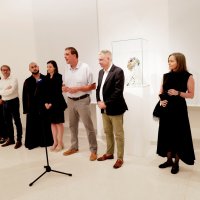
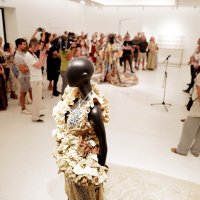
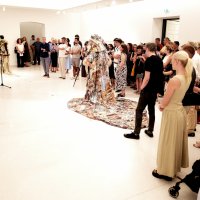

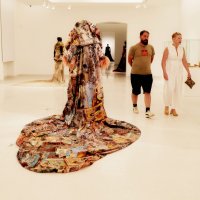
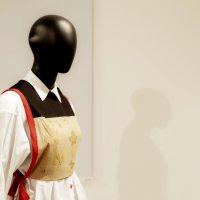
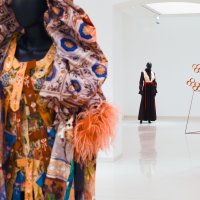
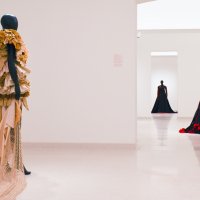
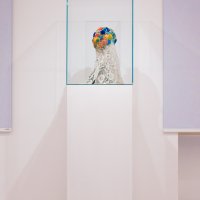
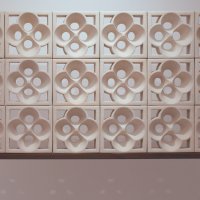
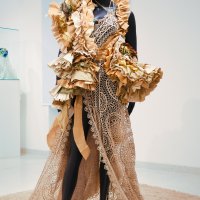
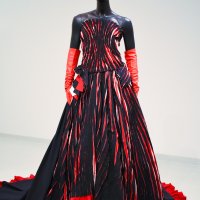
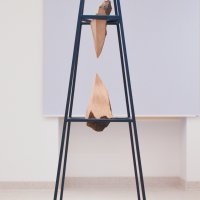
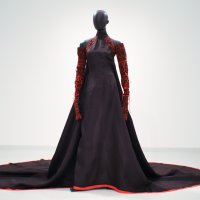
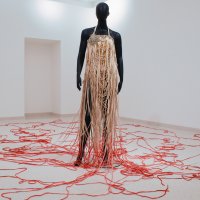
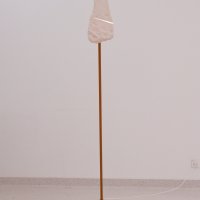
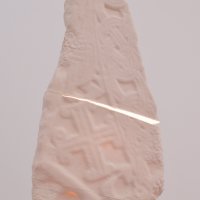
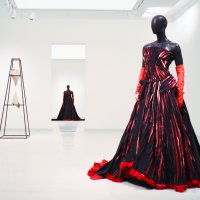
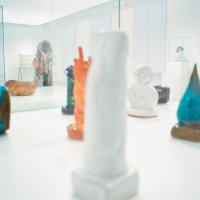
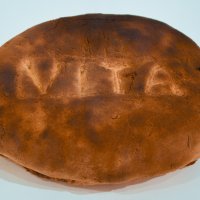

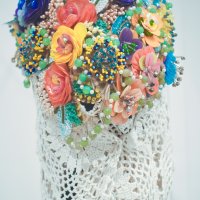
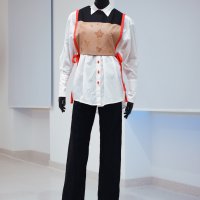
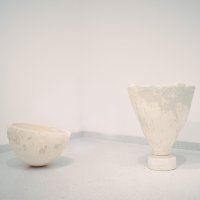
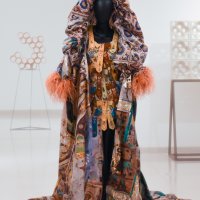
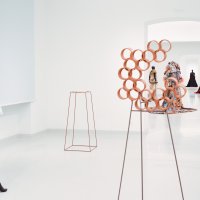
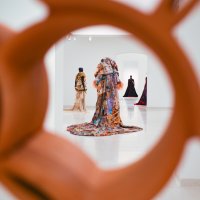
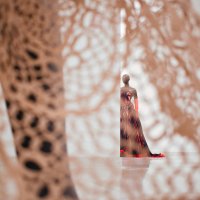



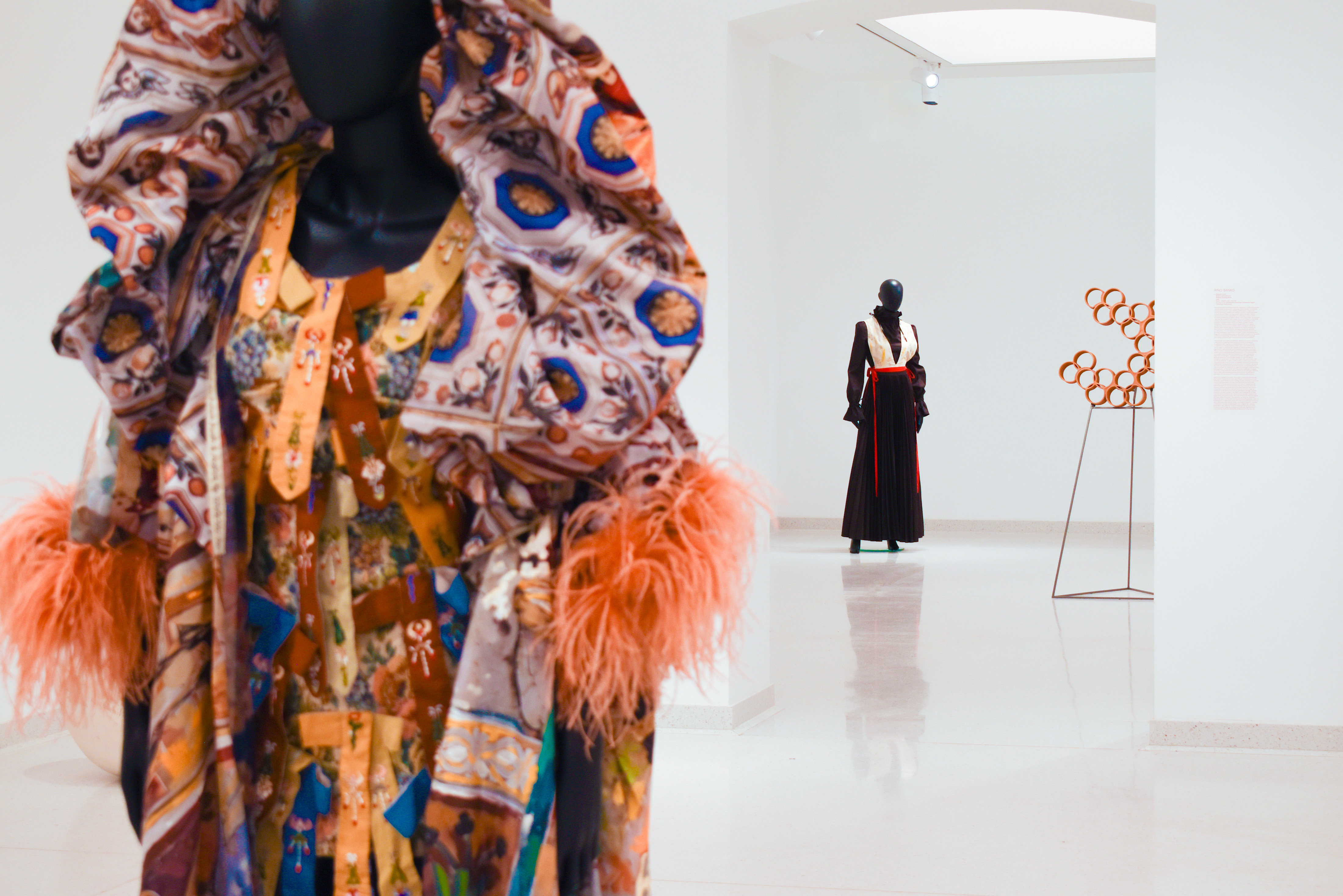
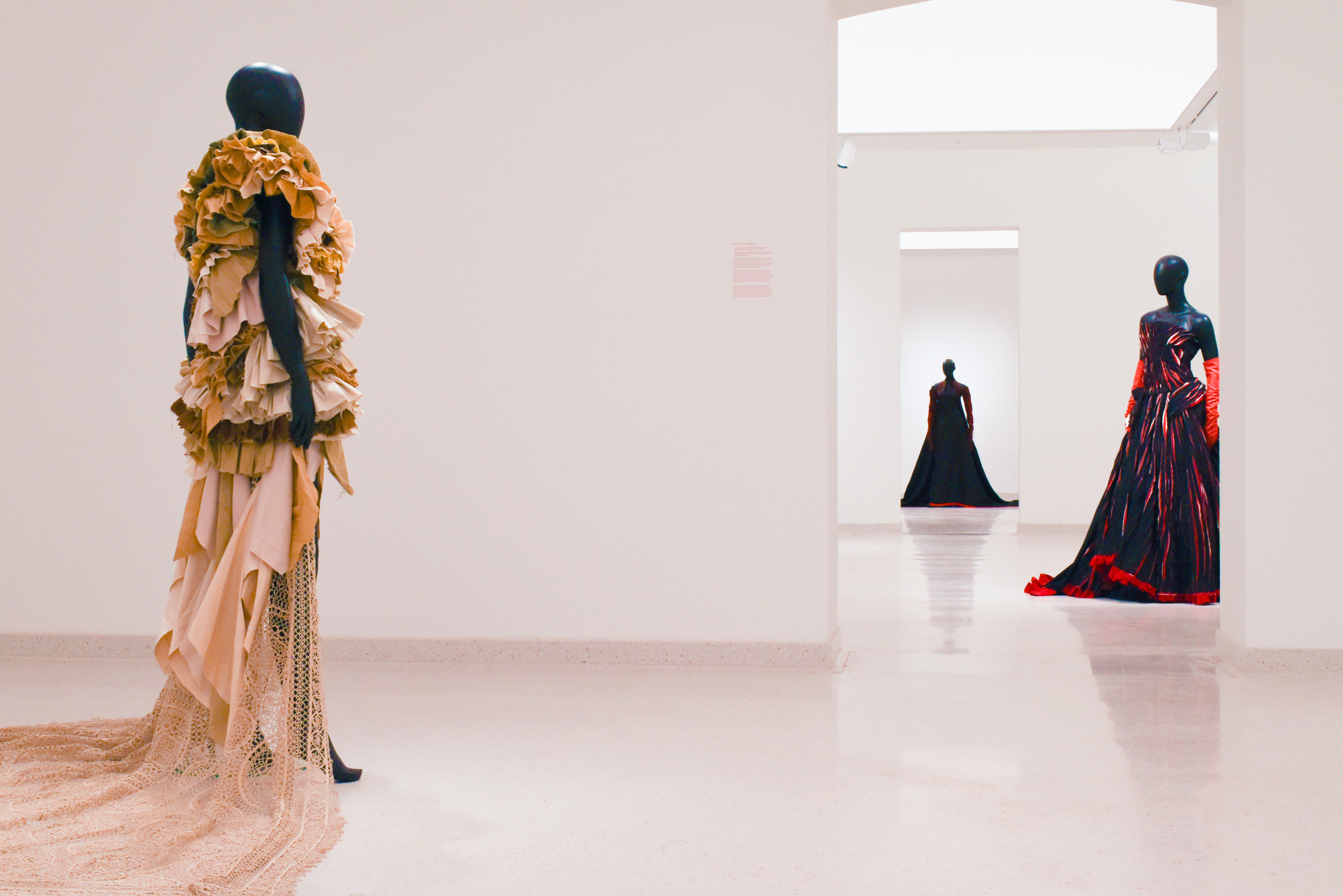
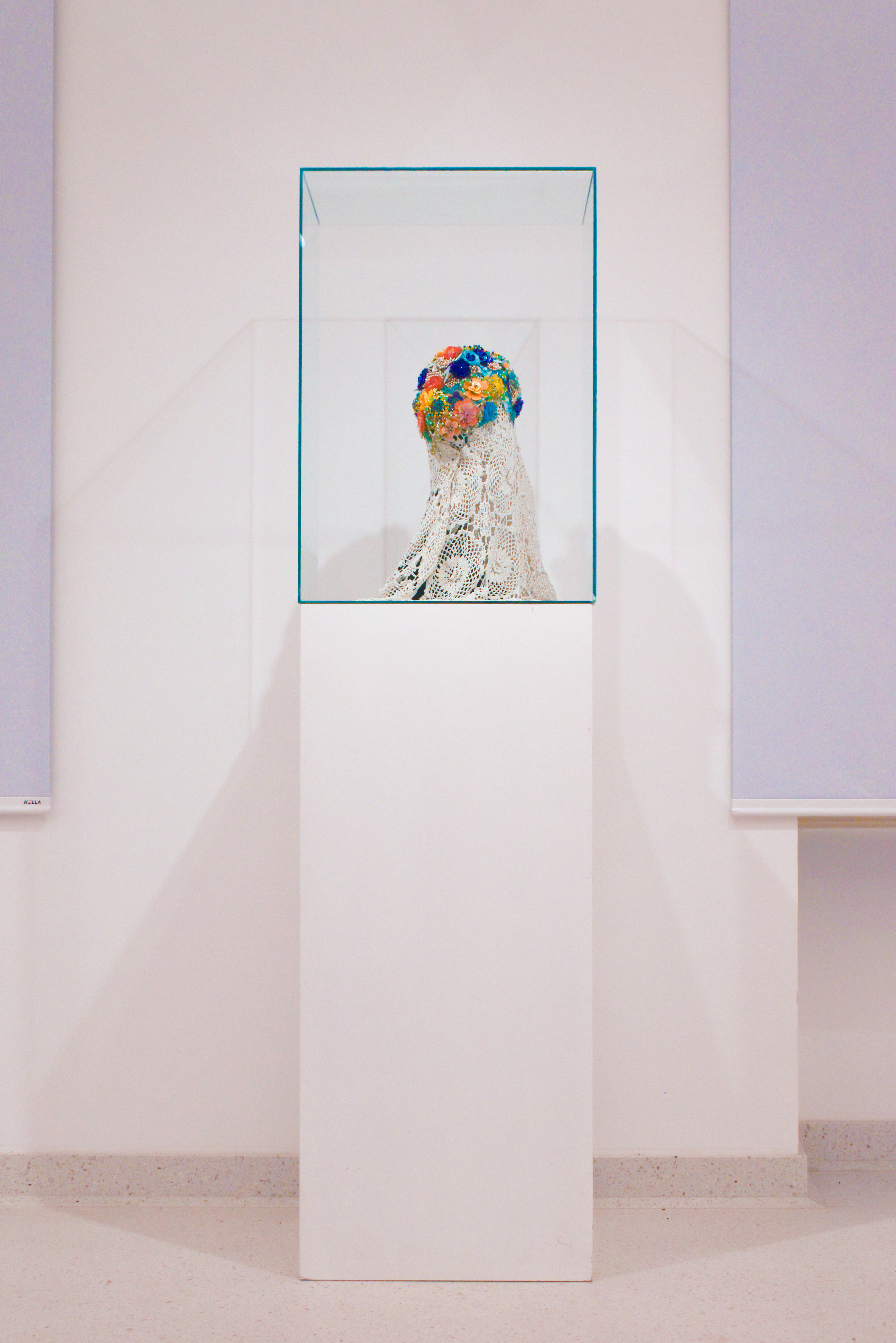
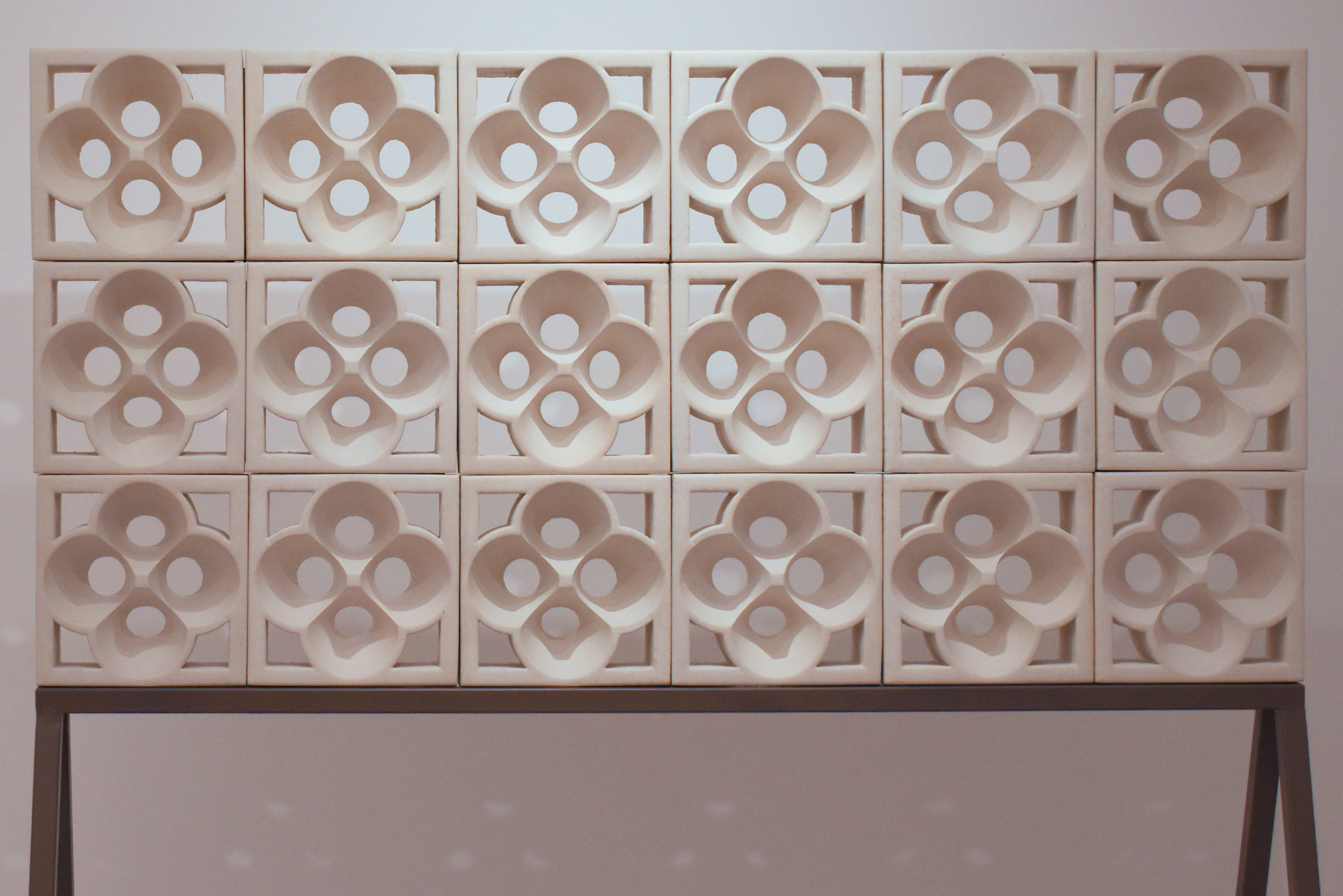
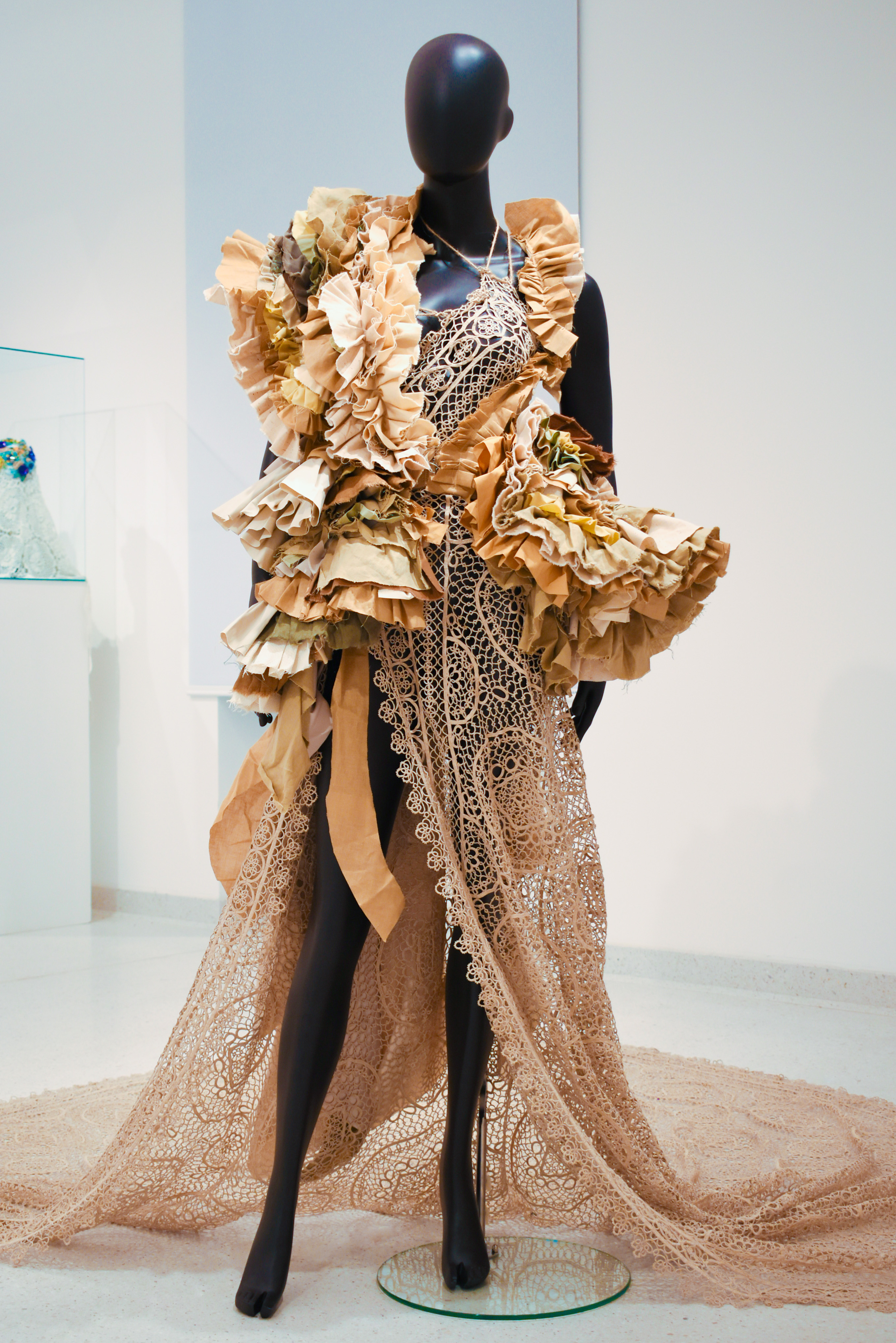
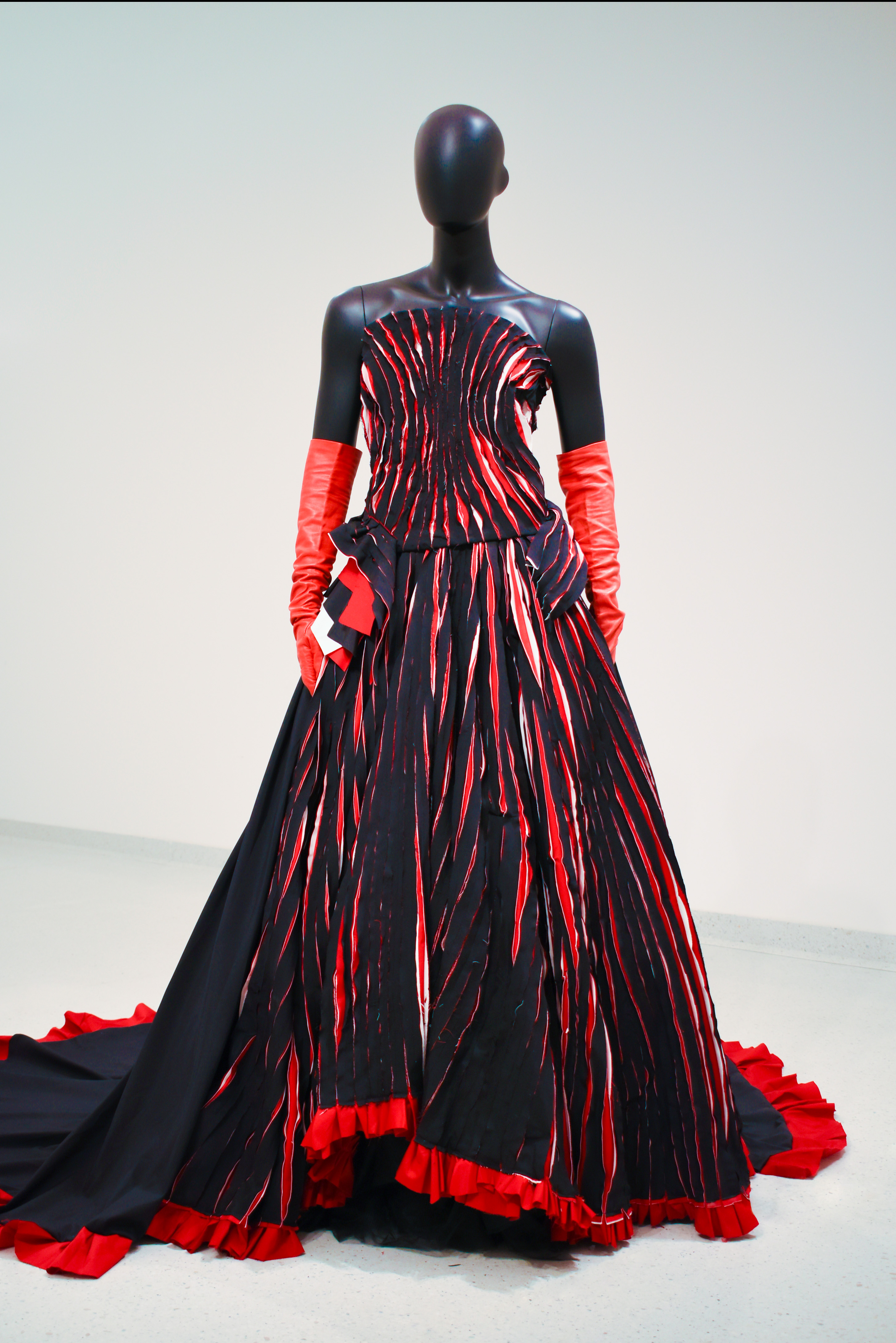
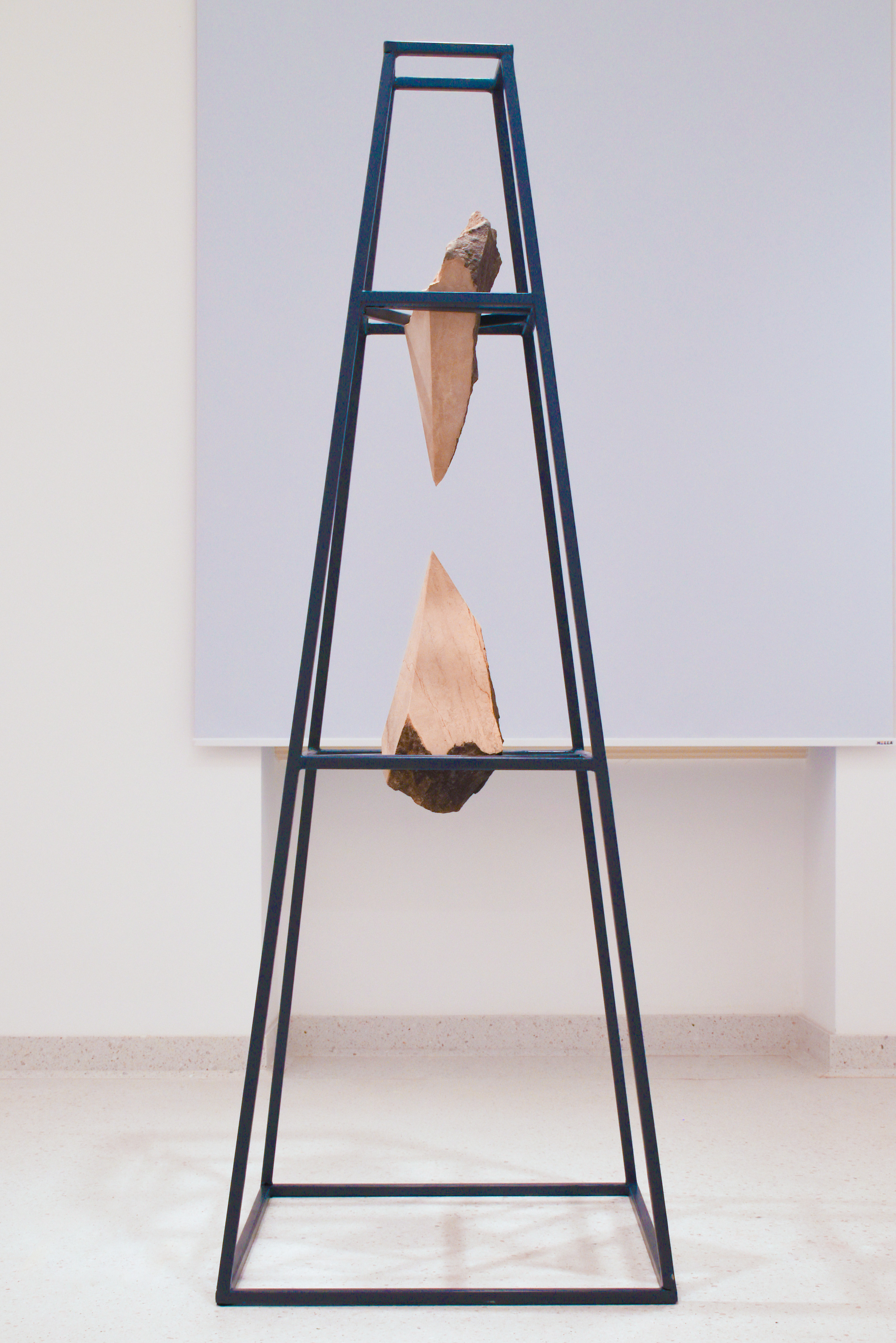
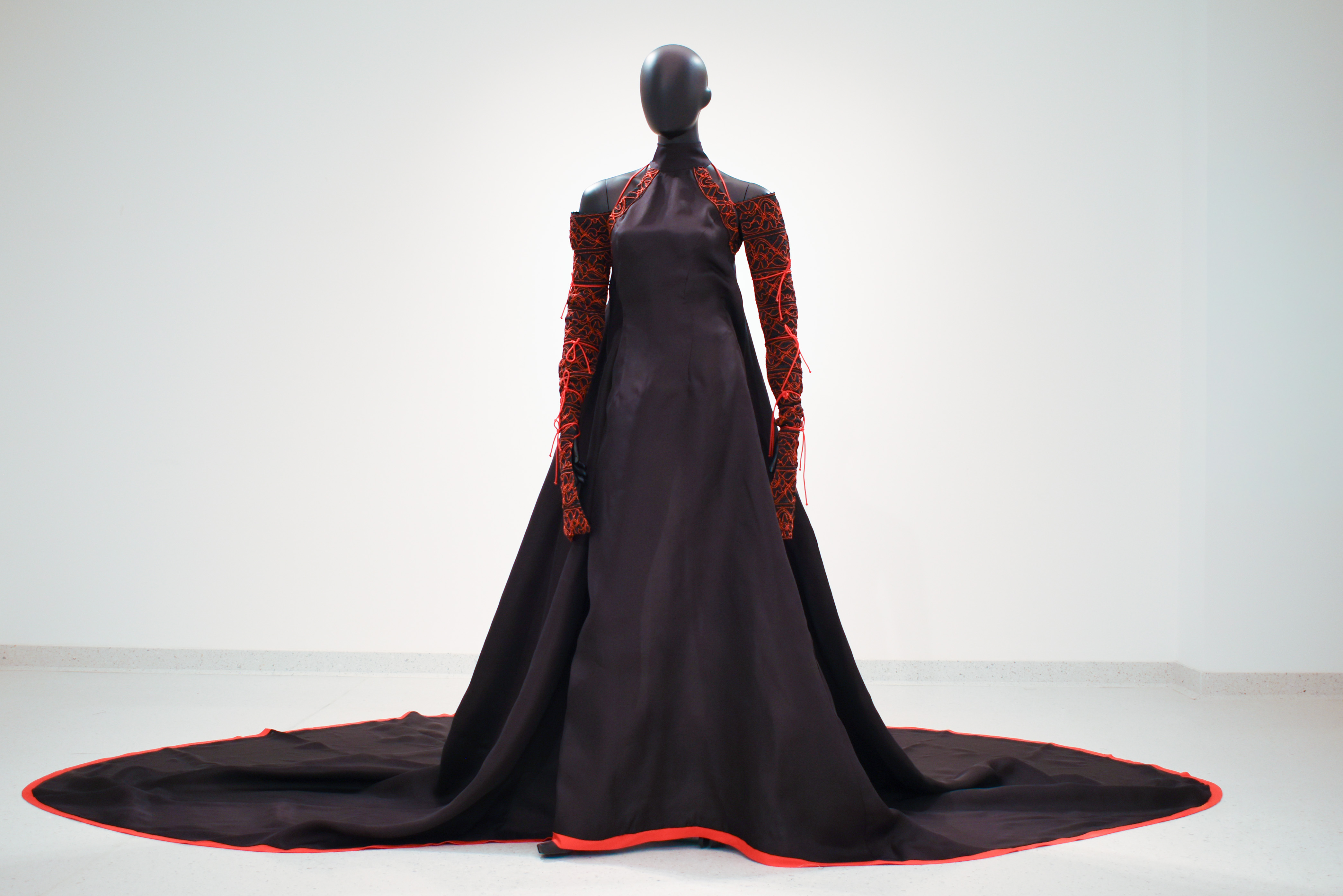
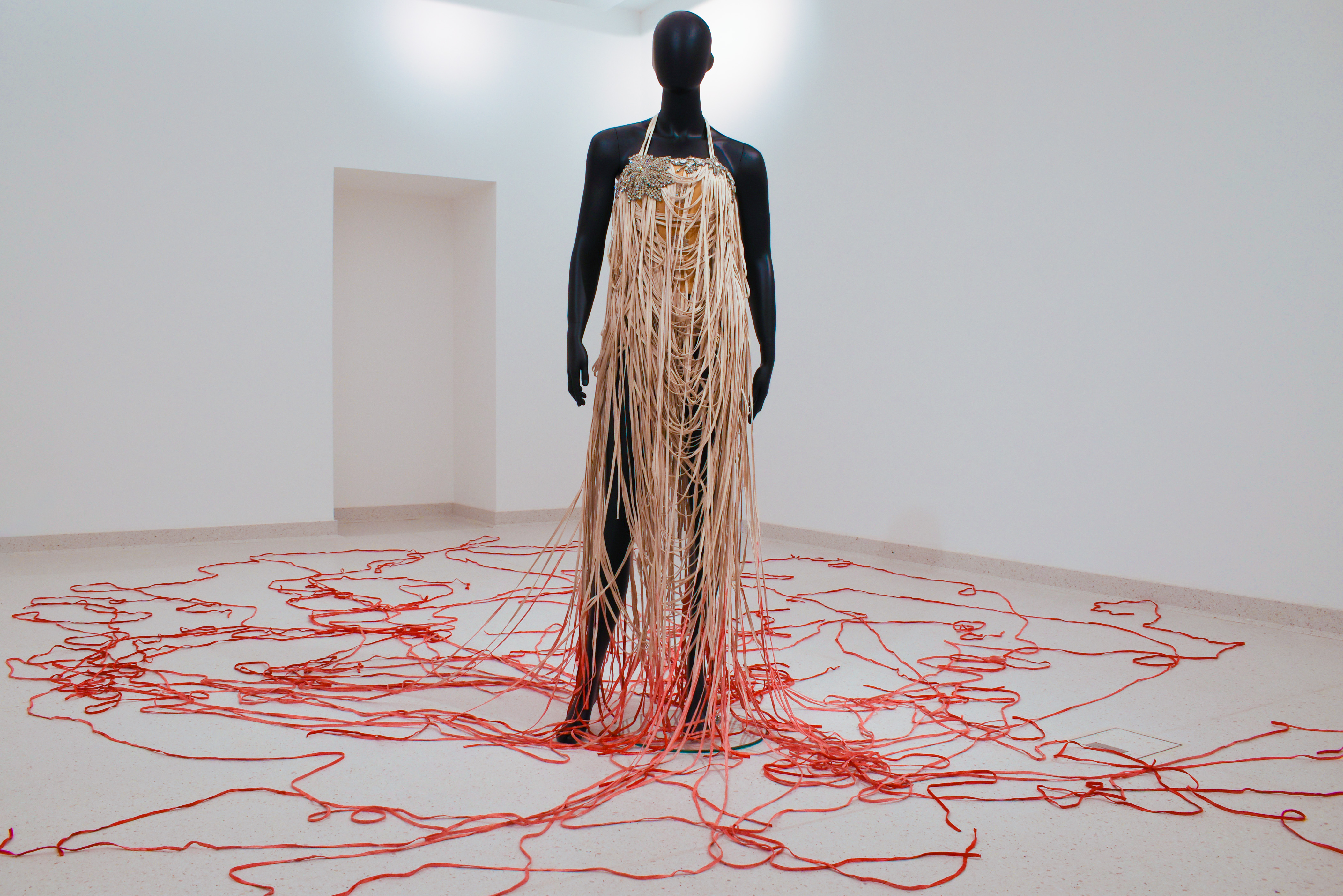
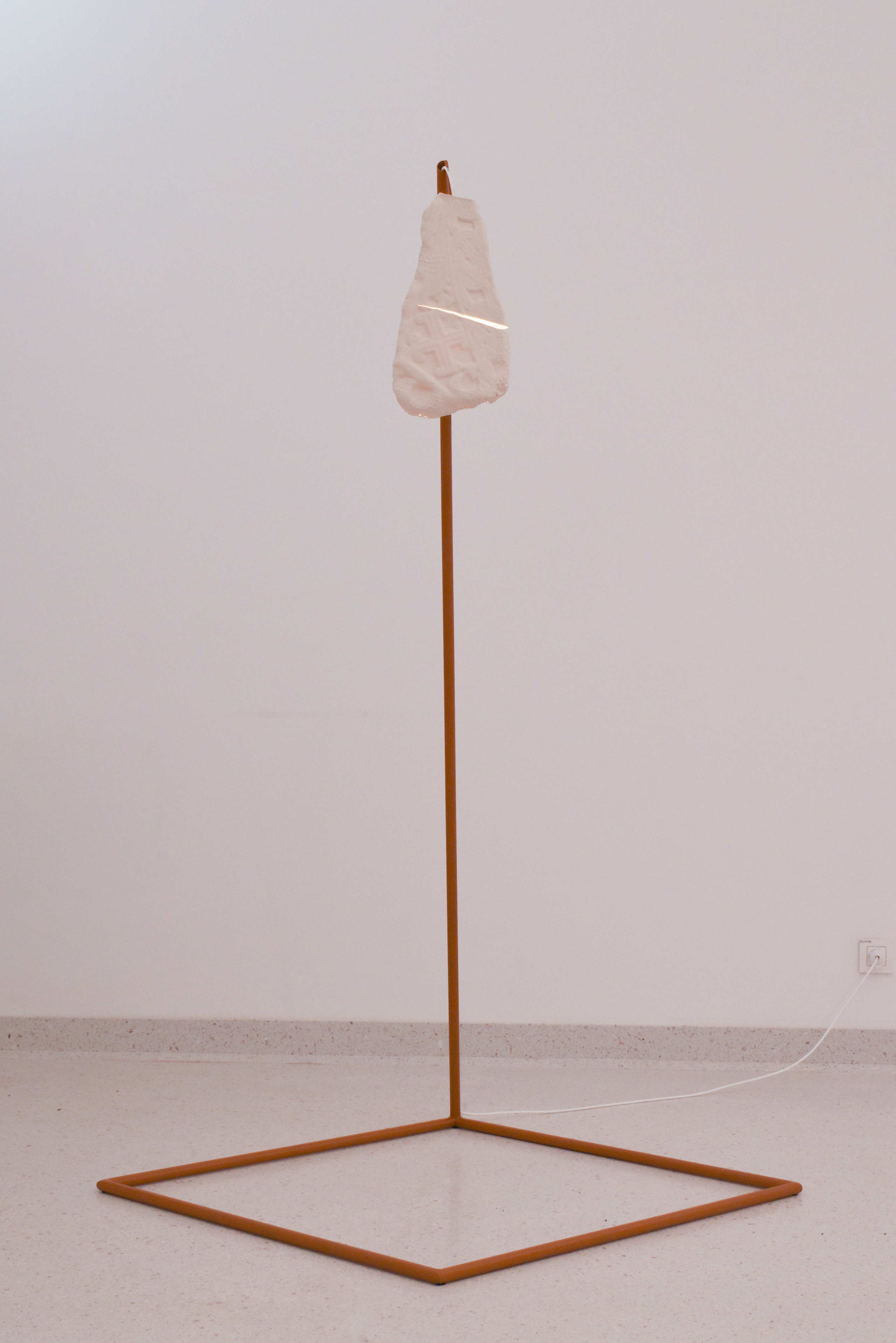
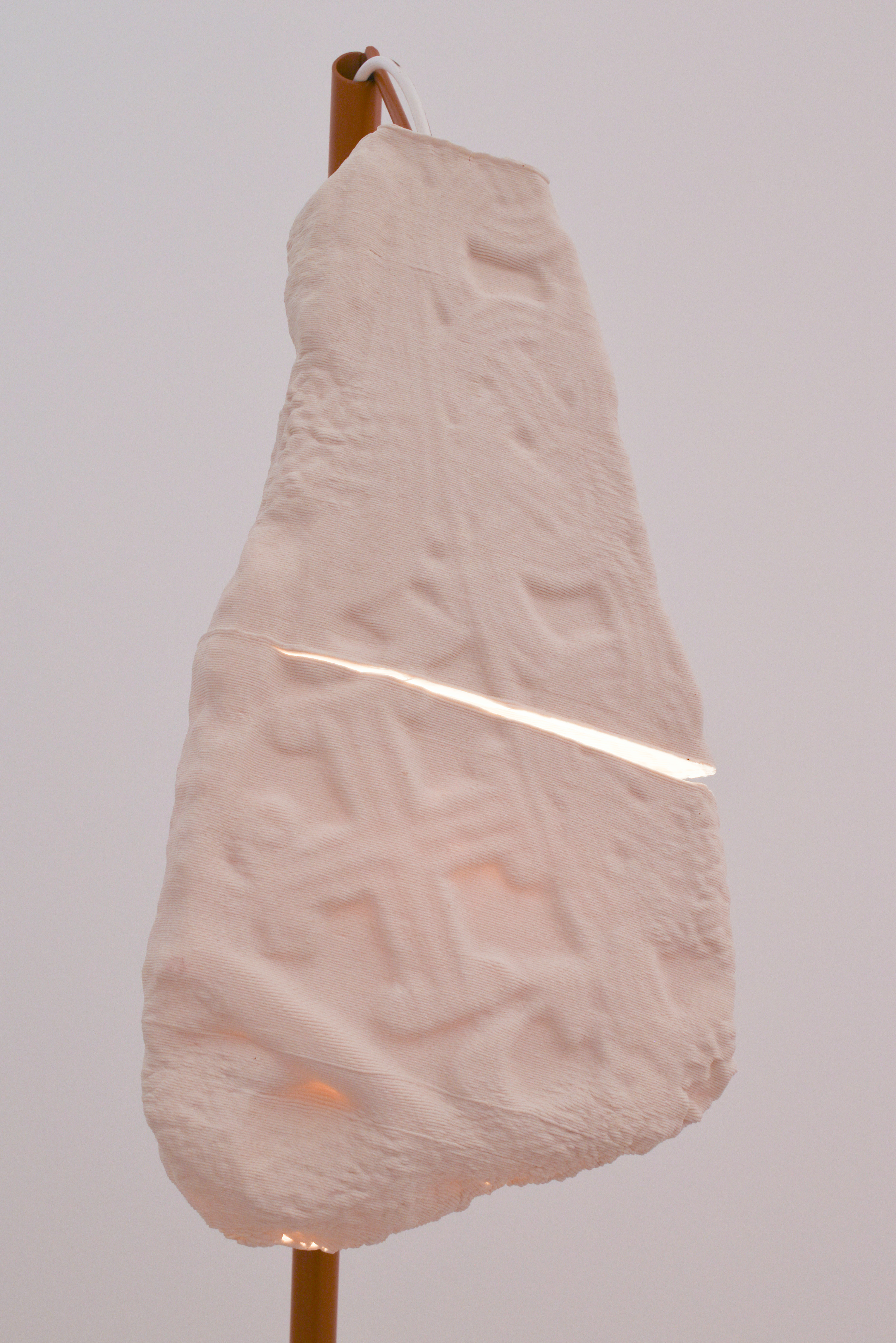
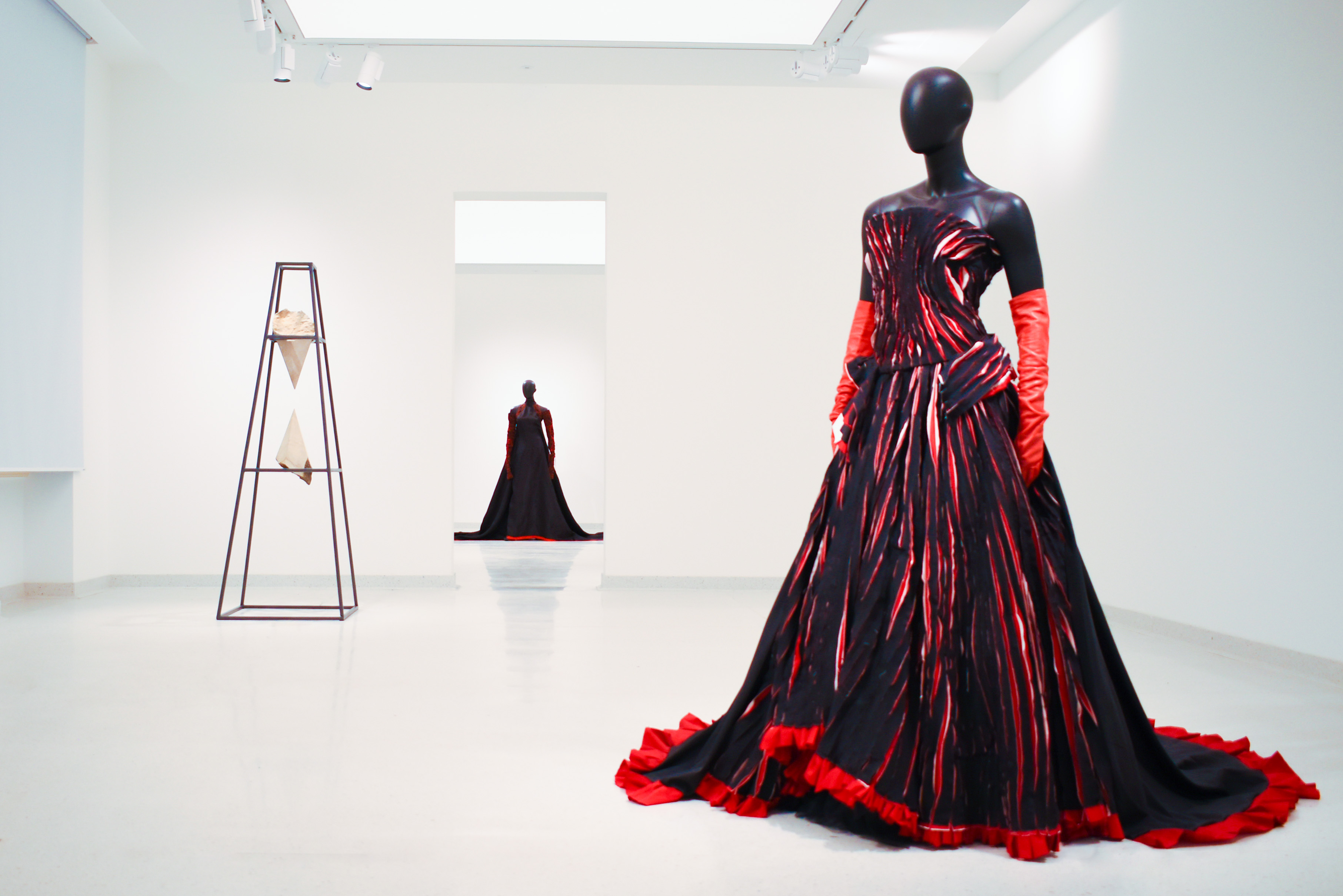
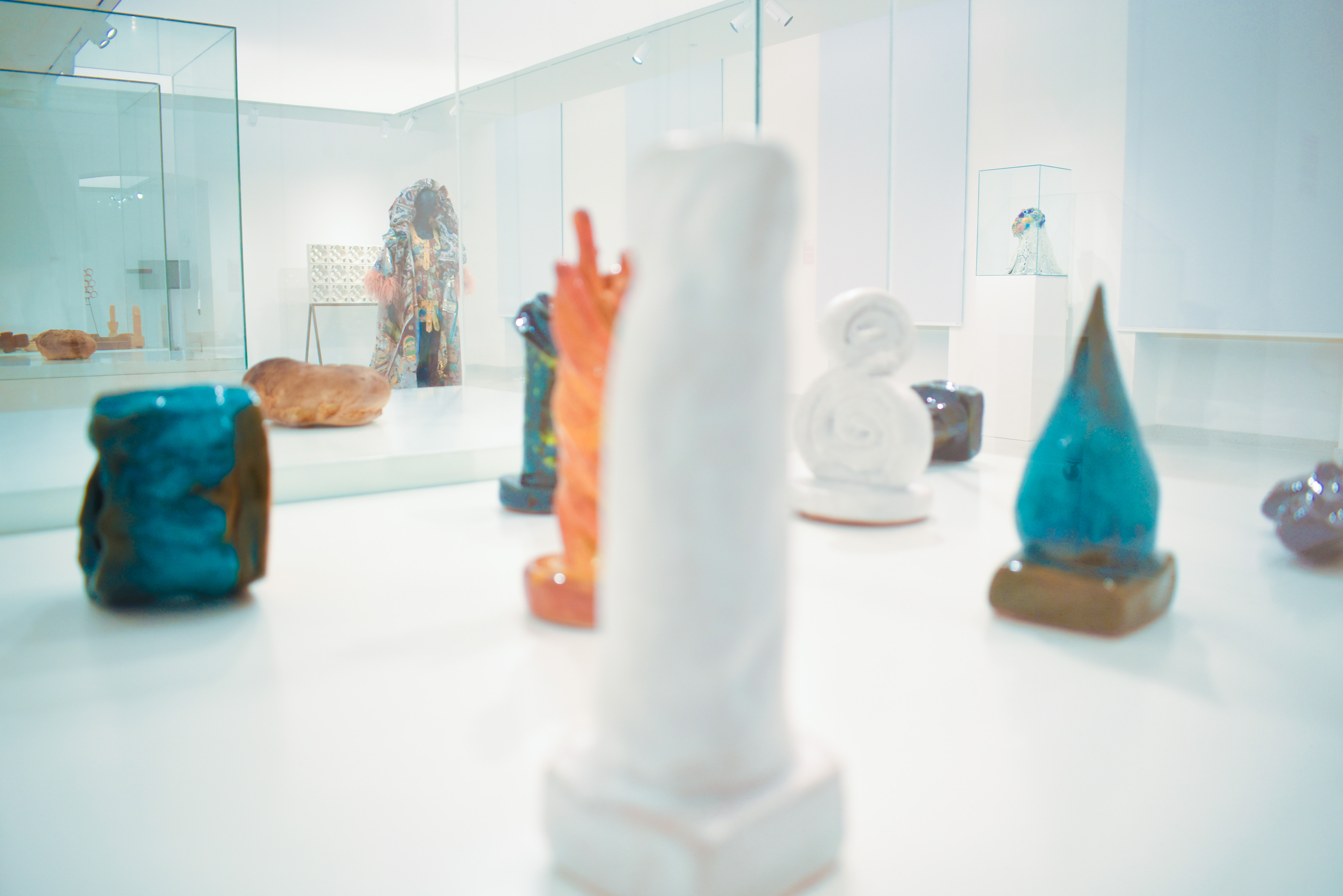
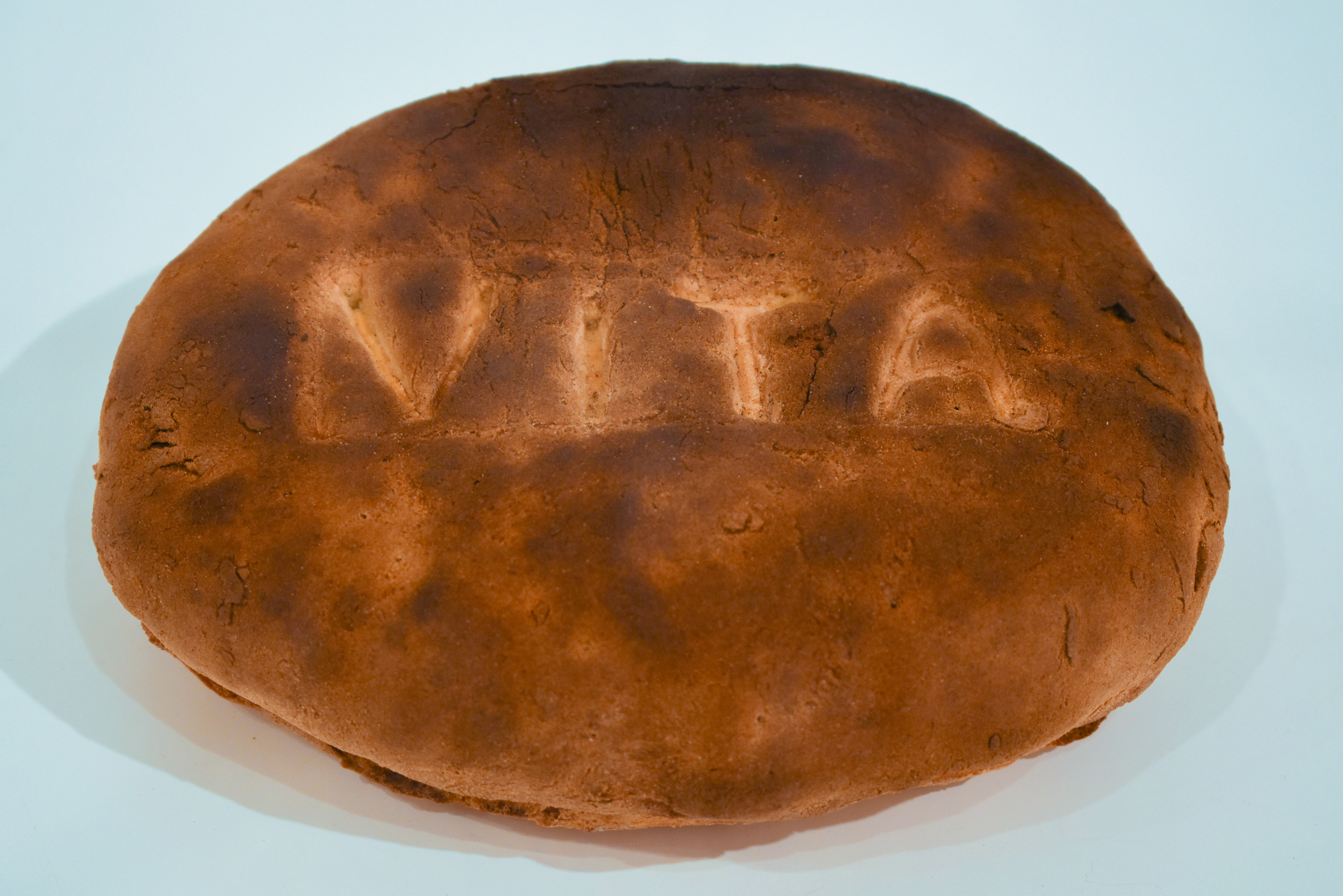
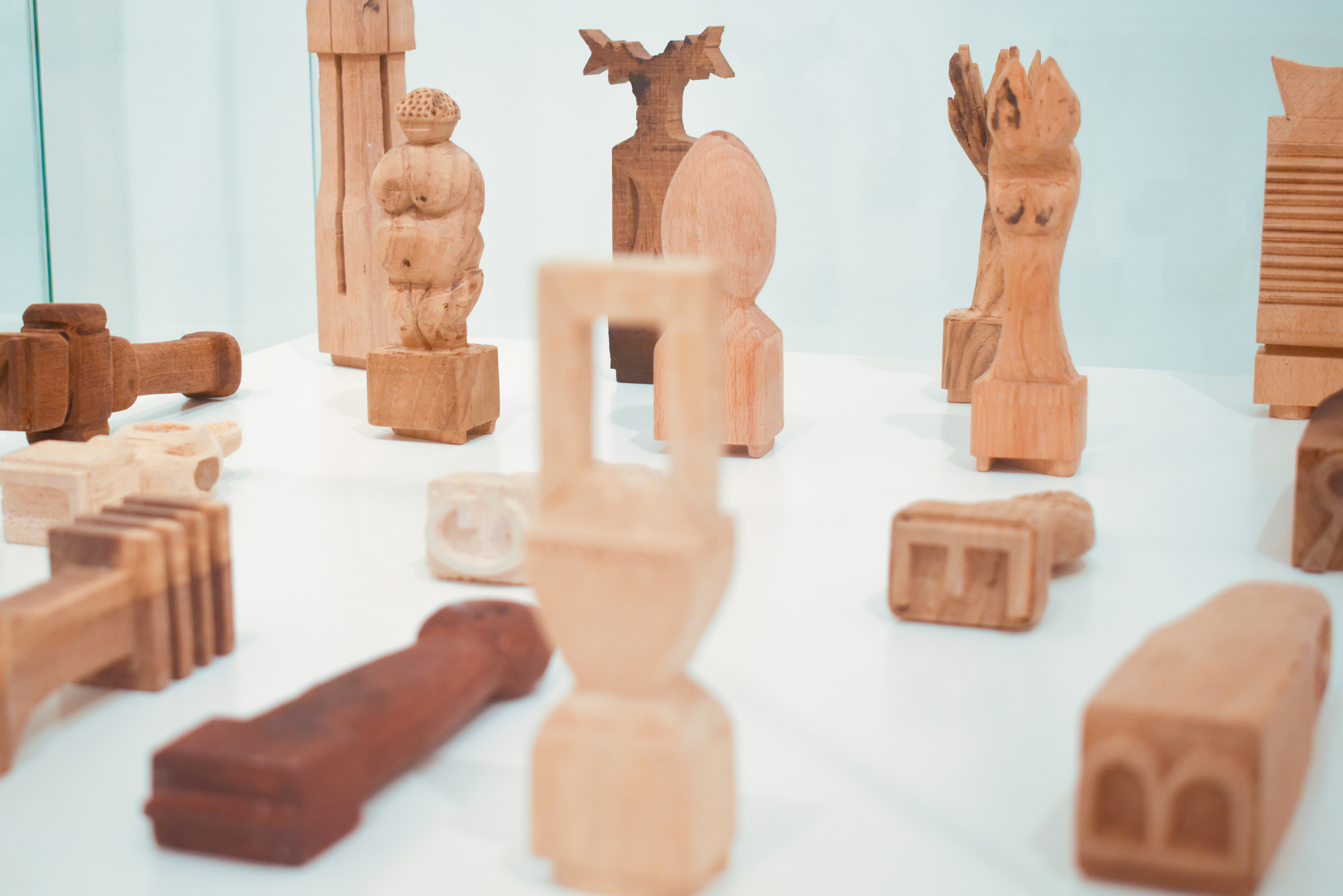
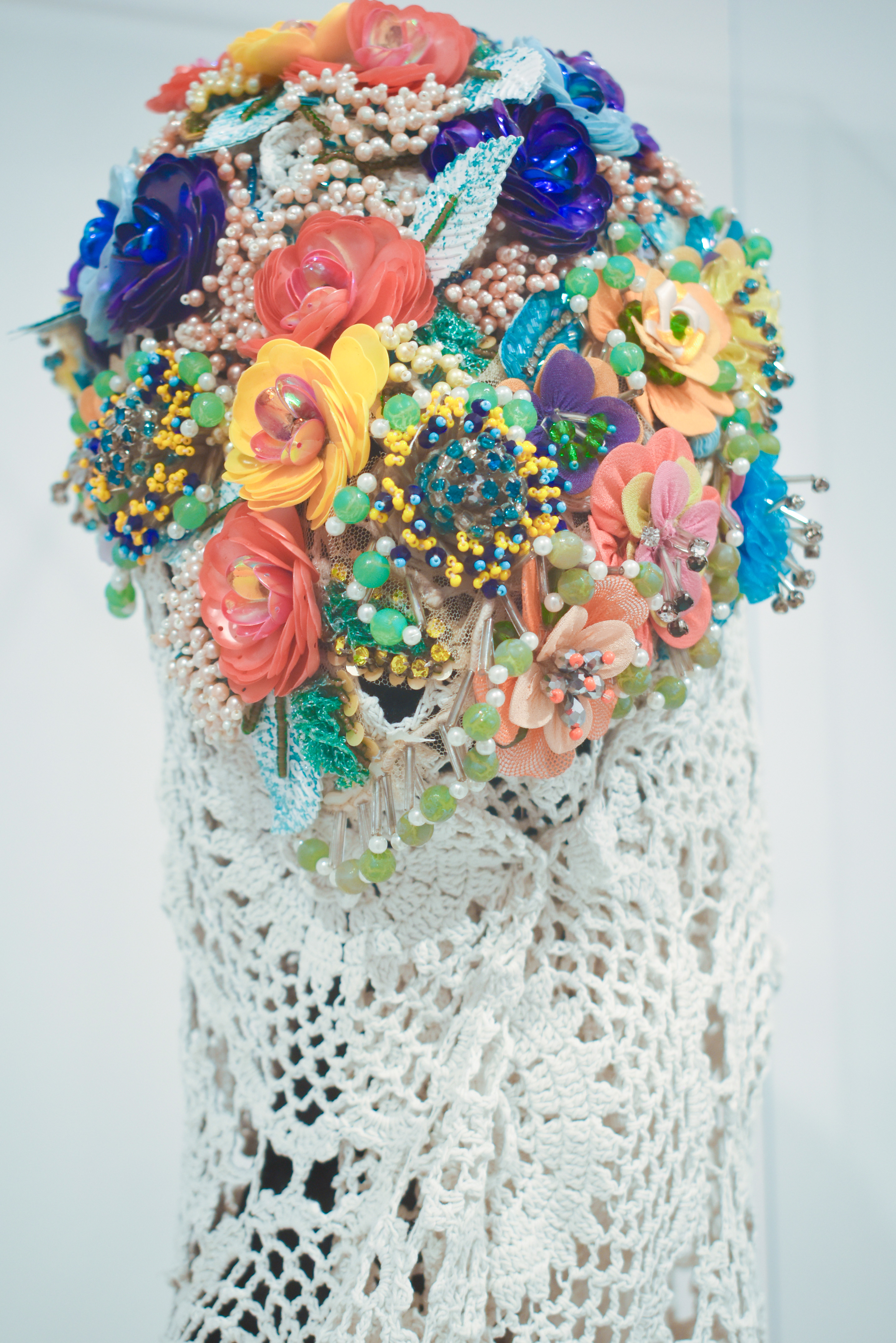
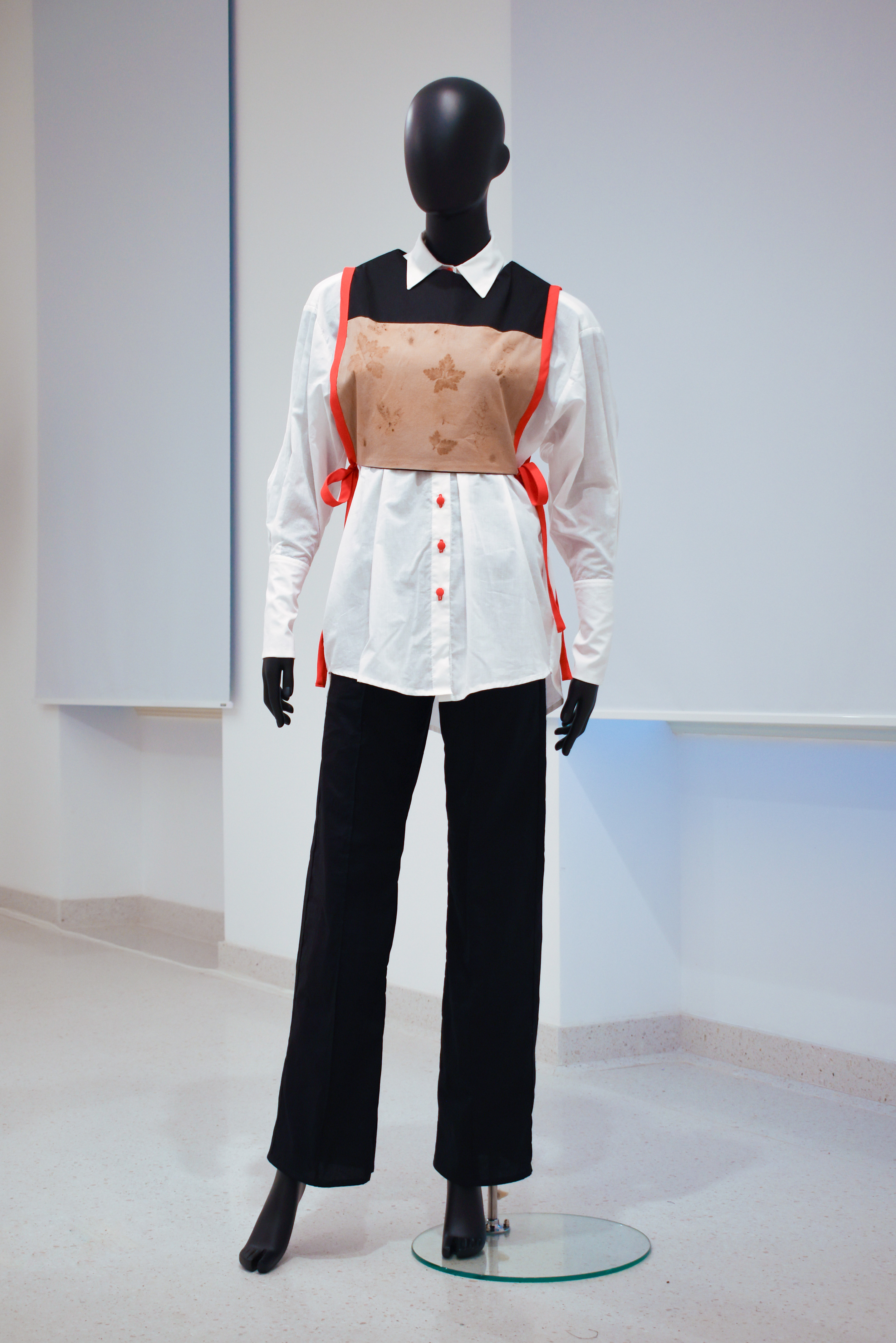
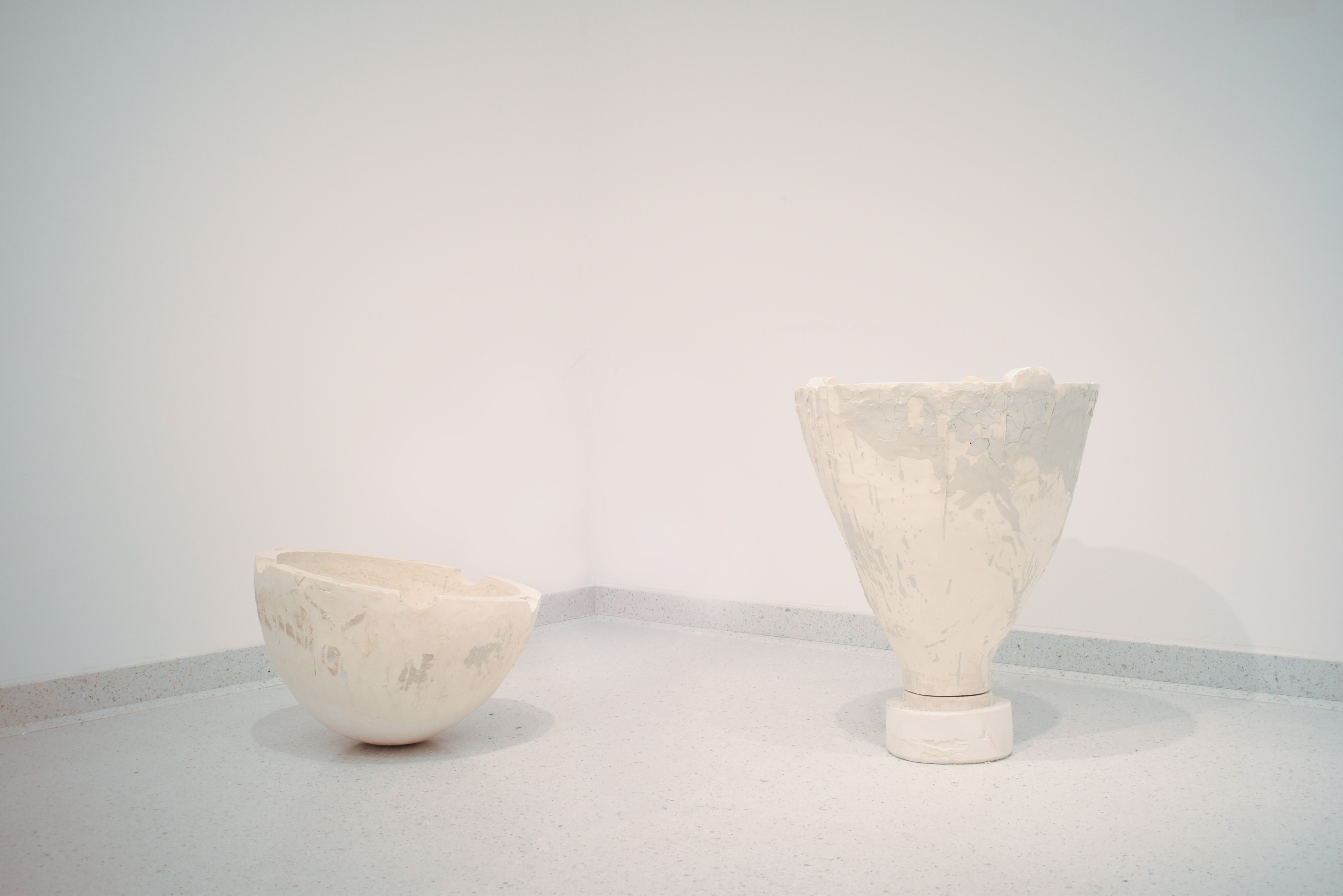
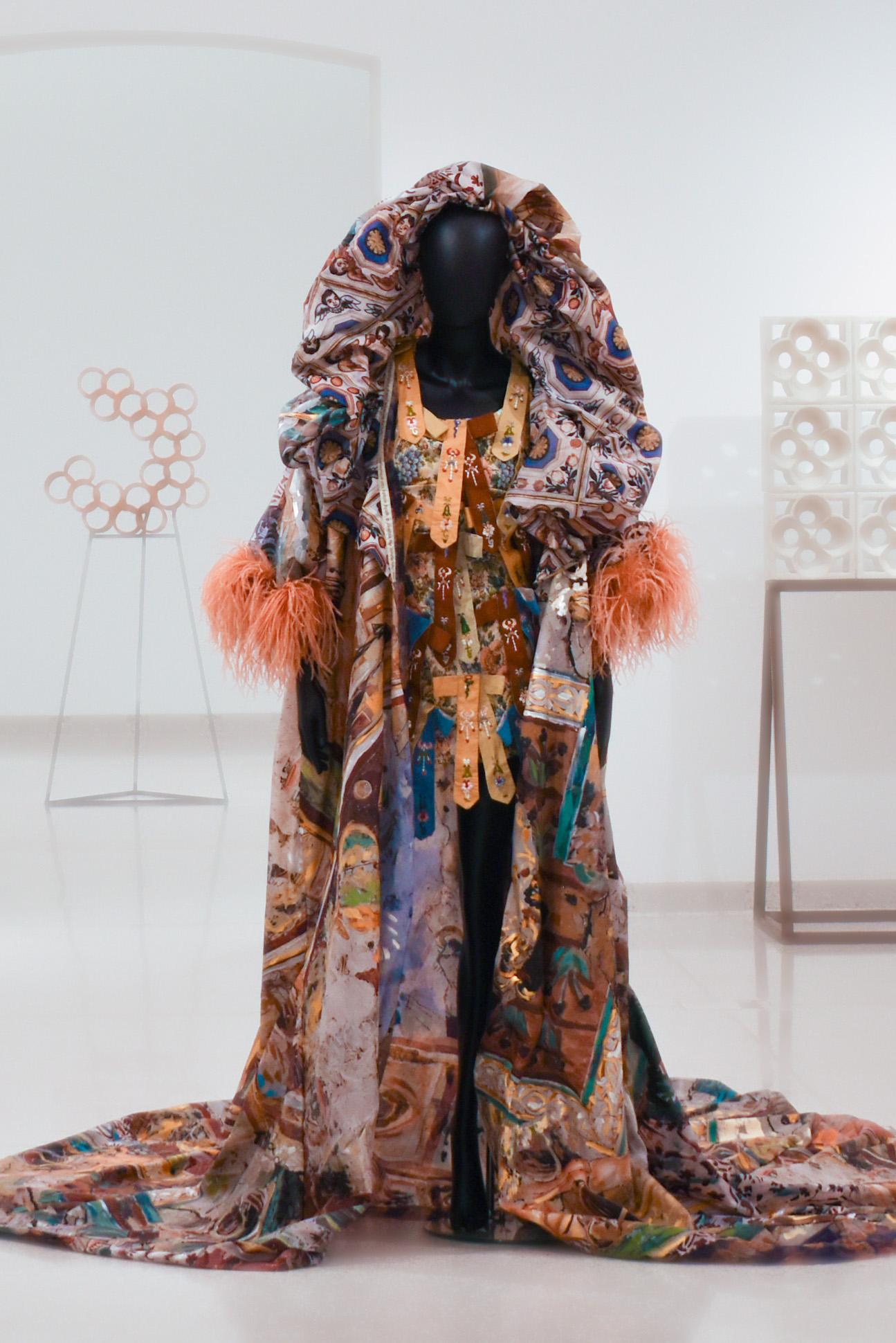
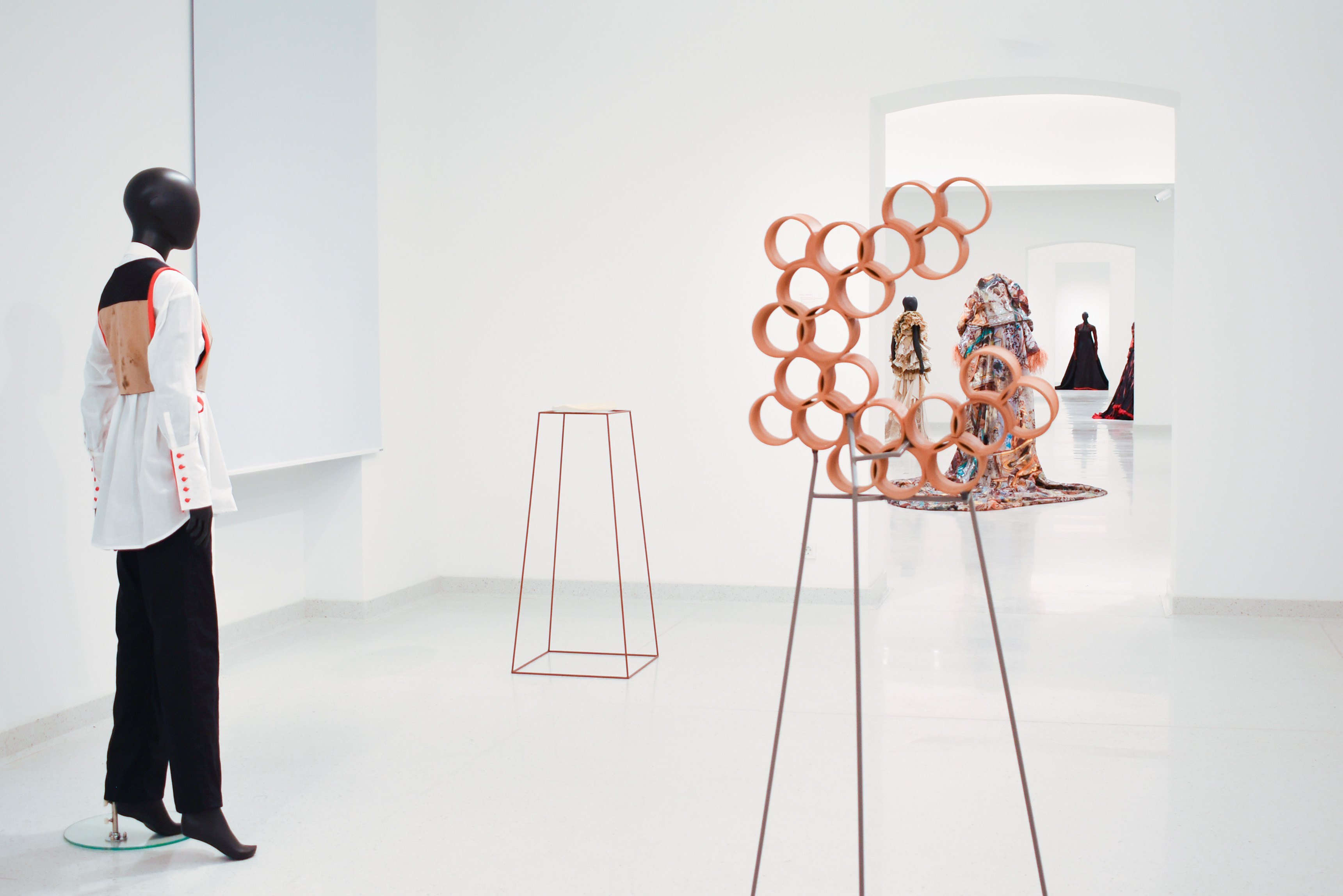
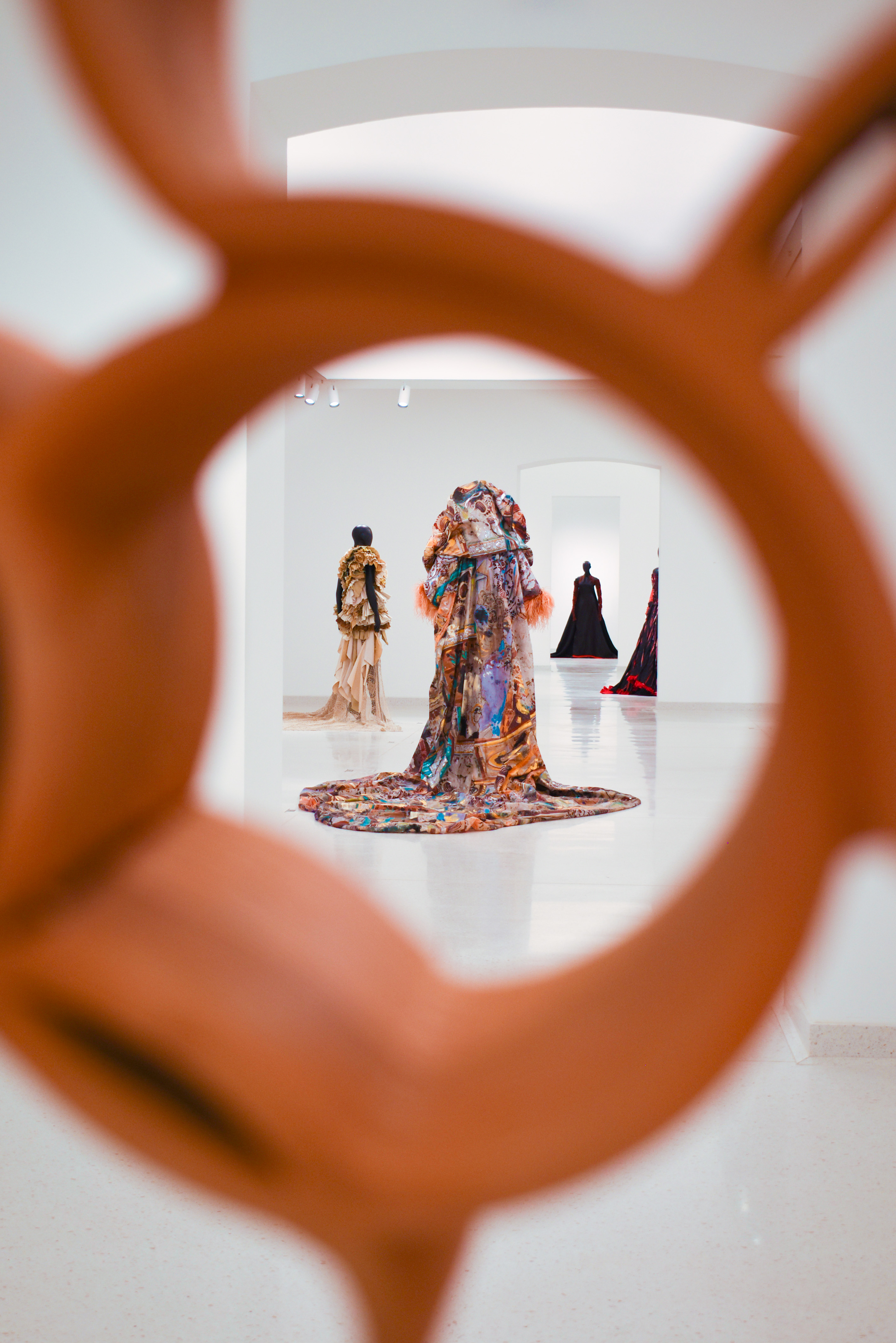
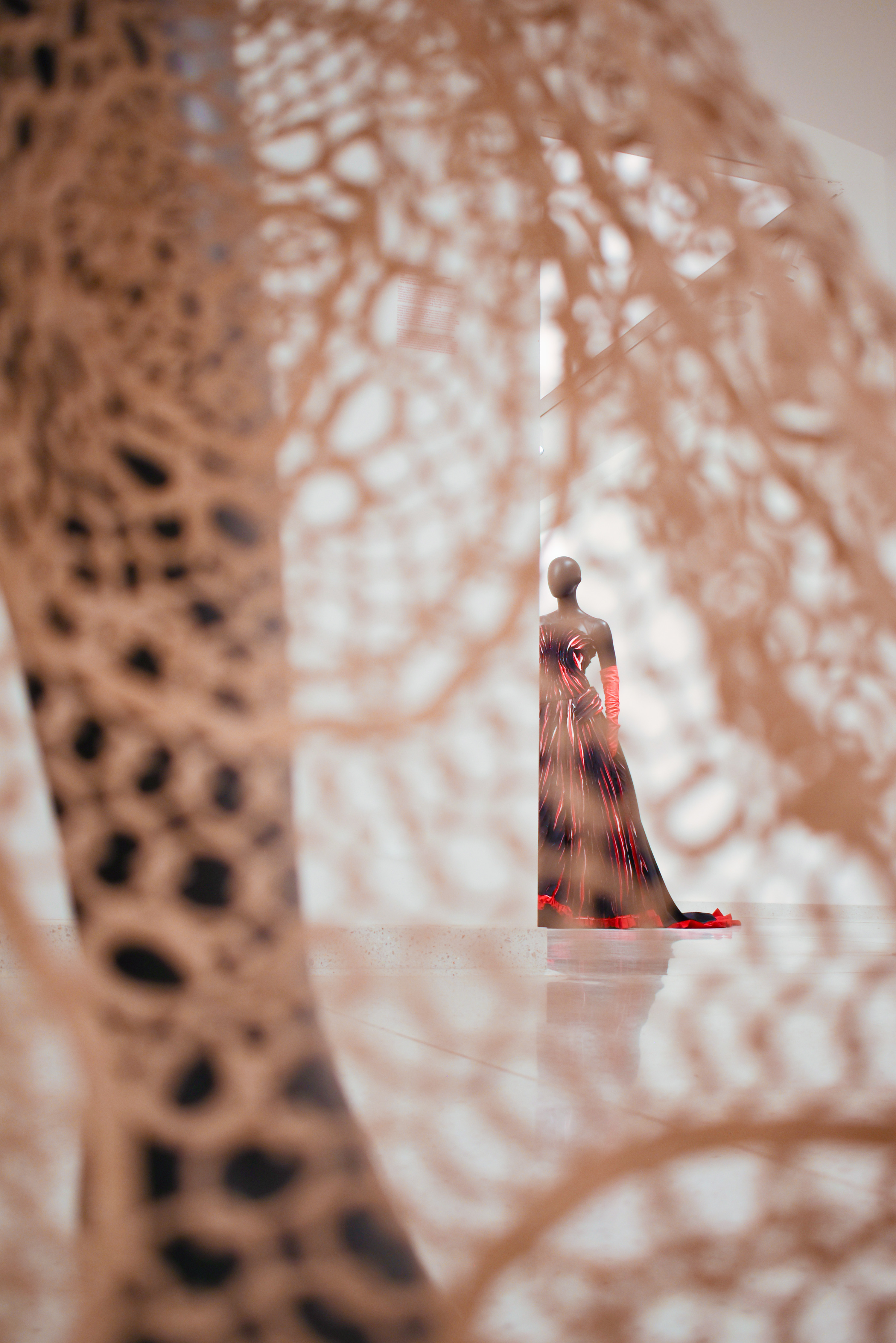
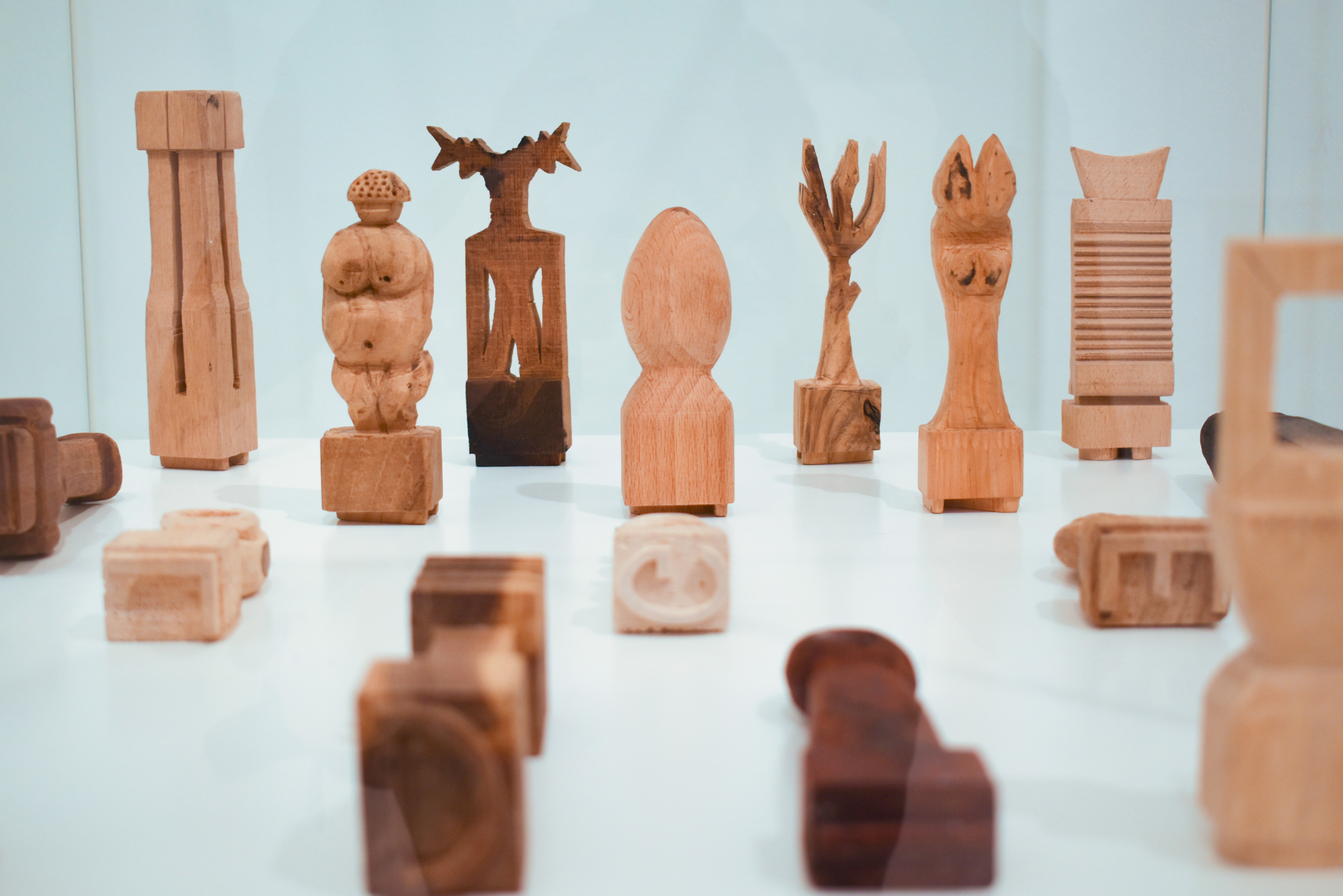
The international exhibition Shared Grounds, focusing on the cross-border outcomes of the SOCRAT Creative Living Labs, officially opened in Pula on 7th of July 2026 at two locations: Archaeological Museum of Istria and Historical and Naval Museum of Istria, was organised by Region of Istria.
The exhibition presented video storytelling outcomes from all thirteen SOCRAT Creative Living Labs organised across Croatia and Italy: three laboratories held in Istria region, one laboratory in the Kvarner region, three in Zadar region, three in the Veneto Region, and three in the Puglia Region. In addition to the partner’s CLLs storytelling videos, exhibition included selected results of the three laboratories held in Region of Istria, that conceptually were unified under the curator’s concept called Shared Grounds.
At 8 p.m., the Archaeological Museum of Istria hosted the opening of an exhibition featuring Italian artist-mentors Filippo Laterza and Michele Giangrande, alongside Croatian artists, fashion designer Staša Doblanović Randall and sculptor Rino Banko, who participated in the SOCRAT Creative Living Labs dedicated to Textile and Fashion Design and Ceramics and Sculpture, held in Istria.
Later that evening, at 10 p.m., the Historical and Naval Museum of Istria located at the Pula Castle hosted the audiovisual performance Ho-Ruk! Hop-Jan!, created by Croatian authors Alen Sinkauz, Nenad Sinkauz, Andrea Matošević, Miodrag Gladović and Davor Sanvincenti together with Italian mentor Michele Sambin. The work originated within the SOCRAT Creative Living Lab held in Pula in December 2025.
- Gallery:
SOCRAT Partners Gathered in Pula for the Final Partnership and Steering Committee Meetings
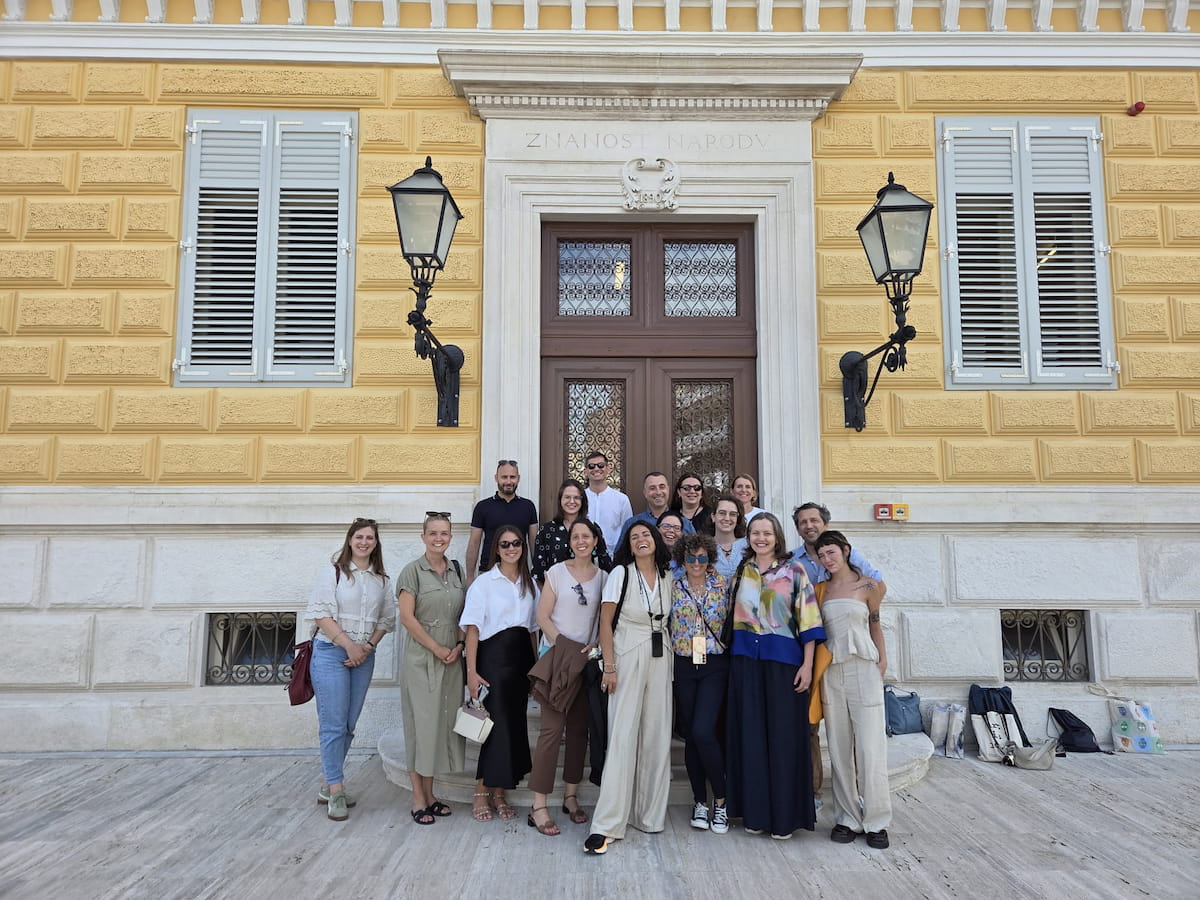
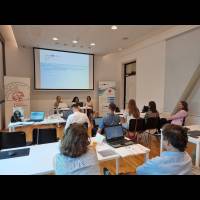
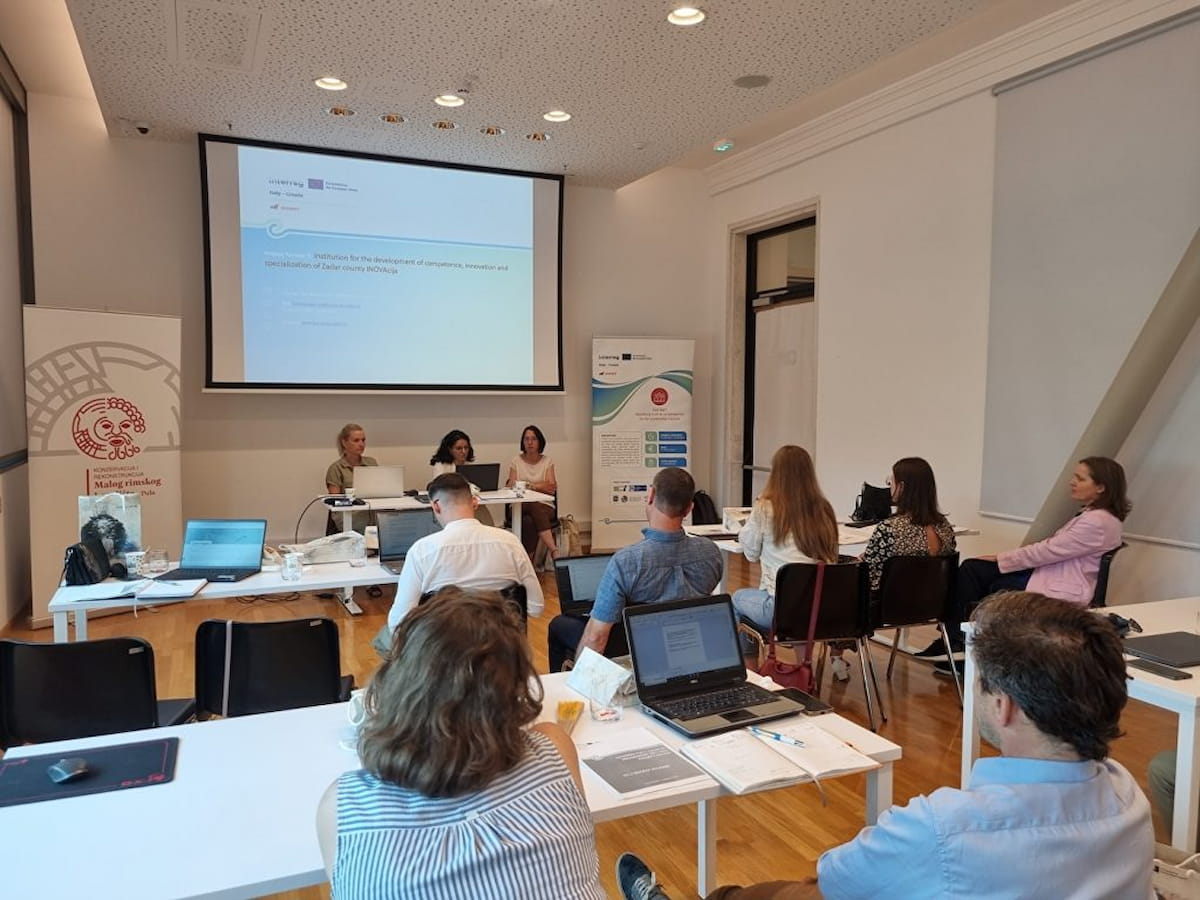
Following the successful opening of the international exhibition "Shared Grounds", partners of the SOCRAT project (Networking Crafts and Contemporary Art for Sustainable Tourism) met in Pula, Croatia, on 8–9 July 2026 for the project's Final Partnership Meeting and Final Steering Committee Meeting, hosted by the Region of Istria. The meetings marked the conclusion of three years of cross-border cooperation under the Interreg Italy–Croatia Programme 2021–2027, providing an opportunity to review project achievements and discuss the long-term sustainability of its results.
The Partnership Meeting brought together representatives of all project partners to present the final achievements of each work package and reflect on the successful implementation of project activities. Particular attention was given to the completion of the SOCRAT Strategy and the Memorandum of Understanding, which will support the capitalization and long-term use of the project's results beyond its lifetime. Partners also reviewed the outcomes of the thirteen Creative Living Labs, highlighting their role in developing innovative cultural-tourism products through collaboration between artists, cultural institutions, craftspeople and local communities.
Project partners discussed the progress of the remaining project activities, communication achievements and final administrative and financial tasks, ensuring a coordinated approach towards the successful closure of the project. The meeting also provided an opportunity to exchange experiences and identify future opportunities for cooperation based on the knowledge and networks established through SOCRAT.
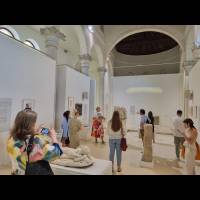
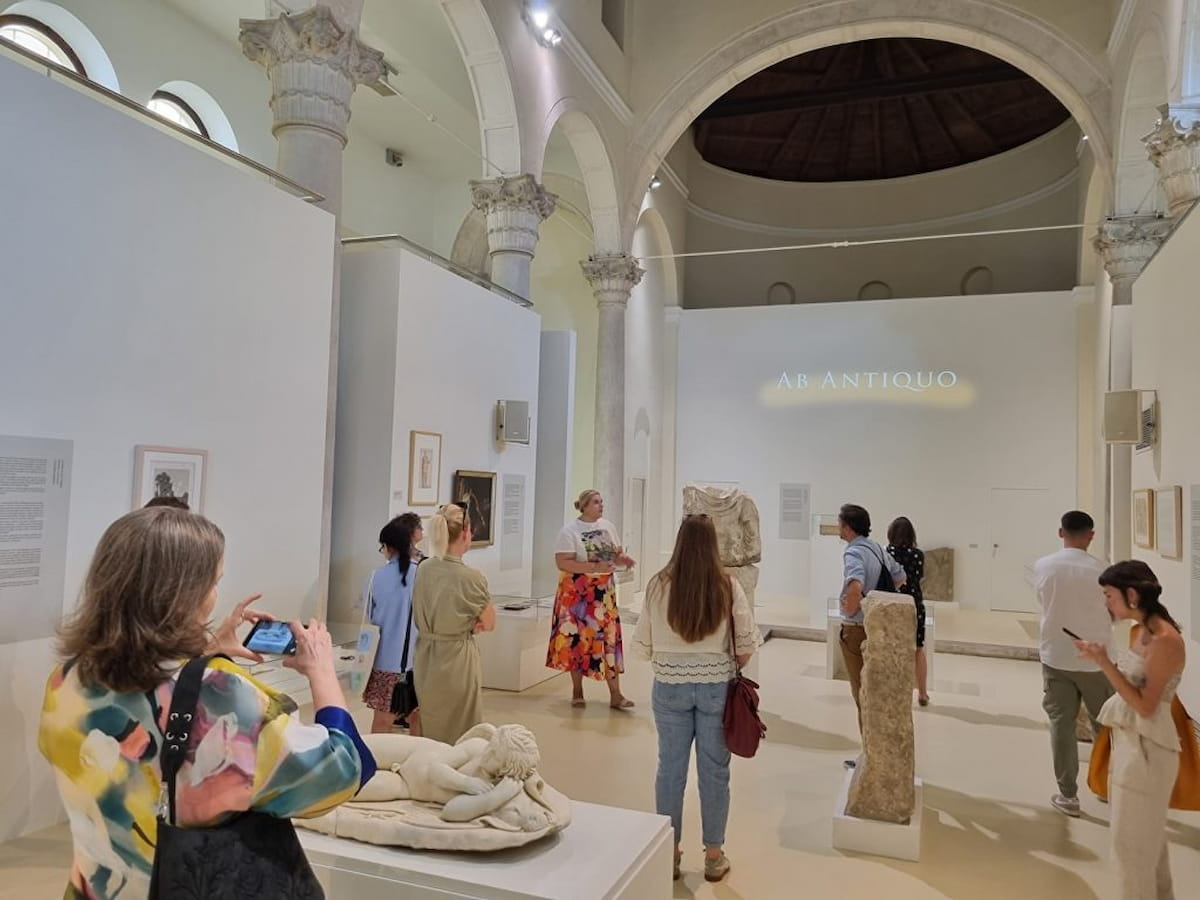
As part of the programme, participants visited the exhibition "AB ANTIQUO – European Architectural Culture and Antiquities of the Eastern Adriatic" at the Museum-Gallery Sacred Hearts, gaining additional insight into the rich cultural heritage of Istria and its interpretation through museum practice.
The following day, the Final Steering Committee Meeting focused on reviewing the project's overall implementation, confirming the successful completion of planned activities and discussing the final steps before project closure. The meeting reinforced the partners' shared commitment to ensuring the long-term impact, transferability and sustainability of the SOCRAT results.
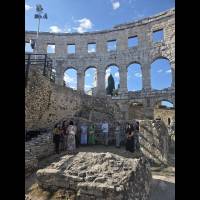
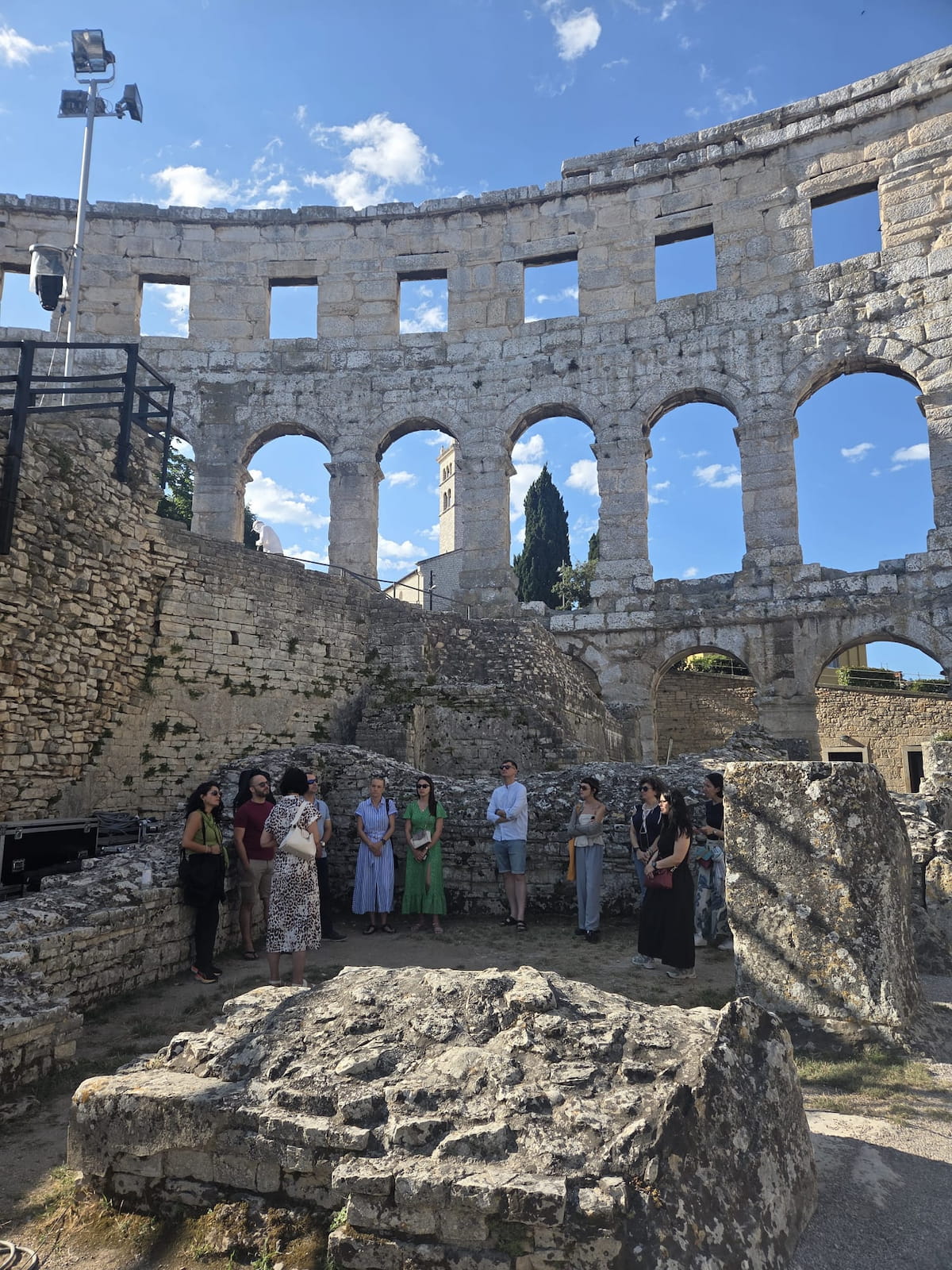
The programme concluded with a guided visit to the Roman Amphitheatre in Pula, offering participants the opportunity to experience one of Croatia's most significant cultural heritage sites while further strengthening the exchange of ideas and cooperation among project partners.
The meetings in Pula represented not only the formal conclusion of the SOCRAT project but also the beginning of a lasting legacy built on creativity, cultural heritage, cross-border collaboration and sustainable tourism development.
- Gallery:
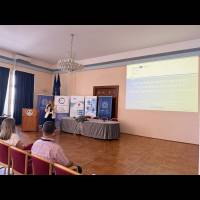
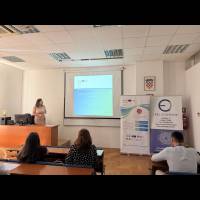
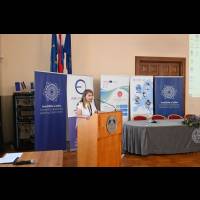
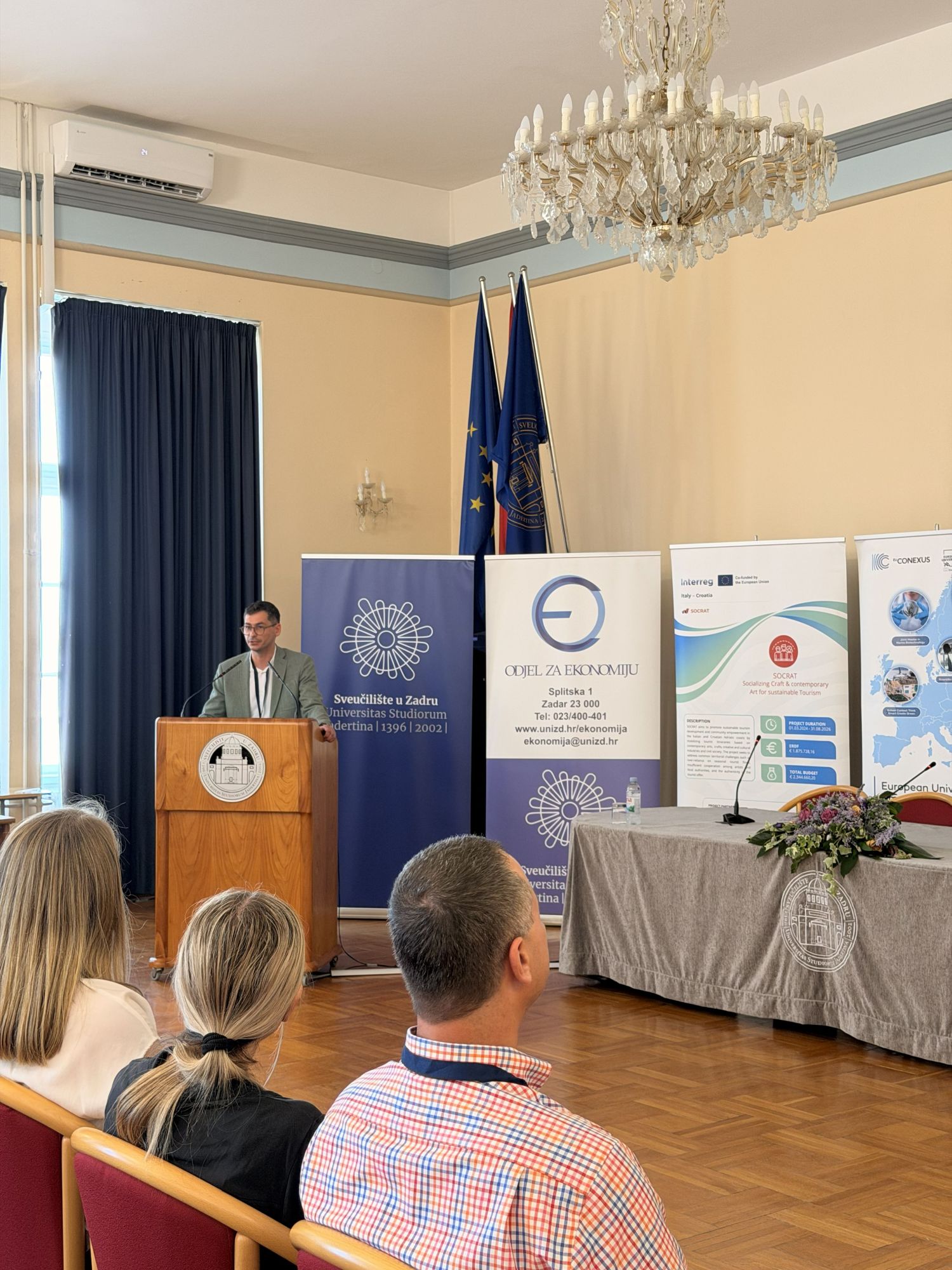
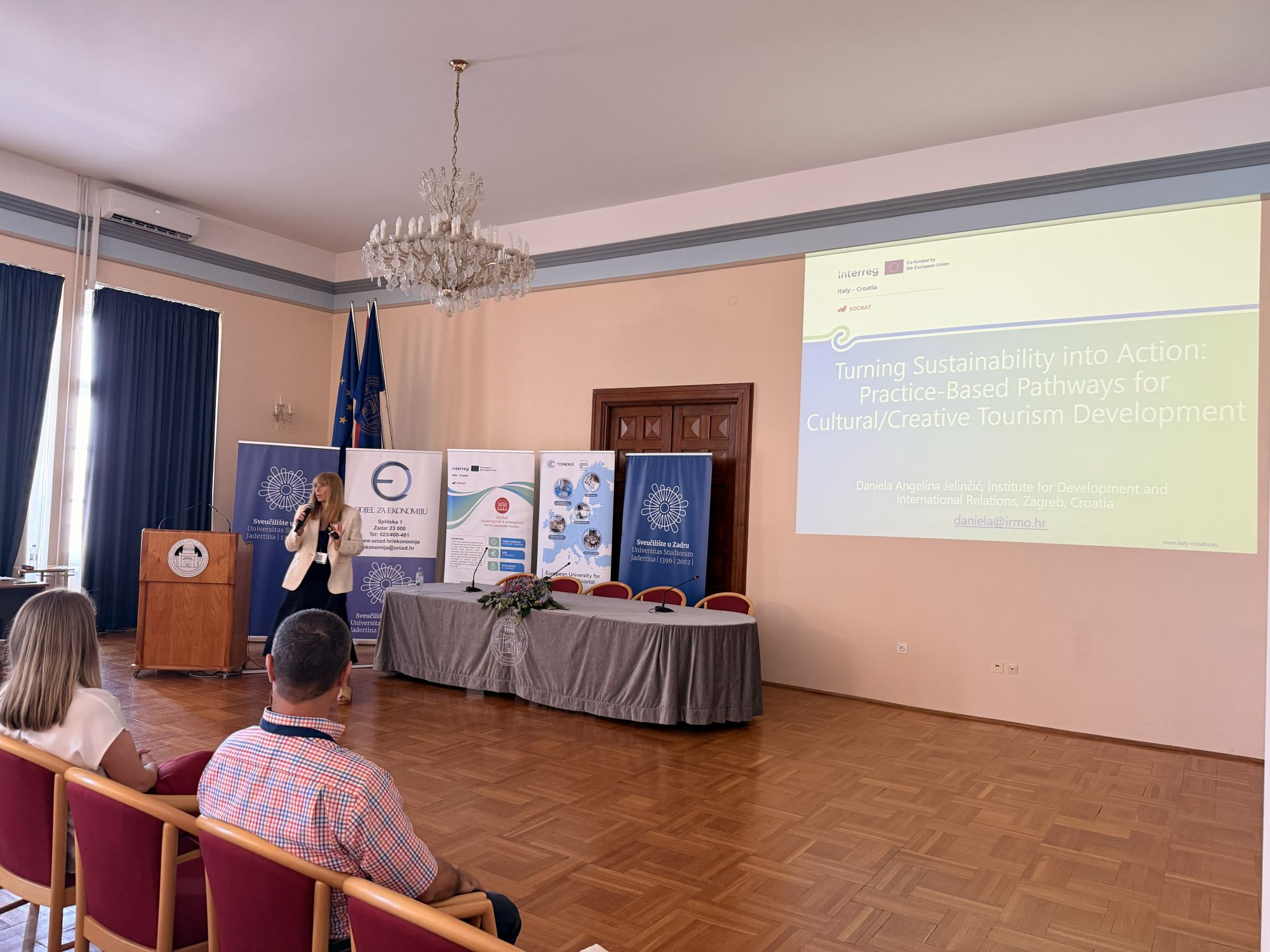
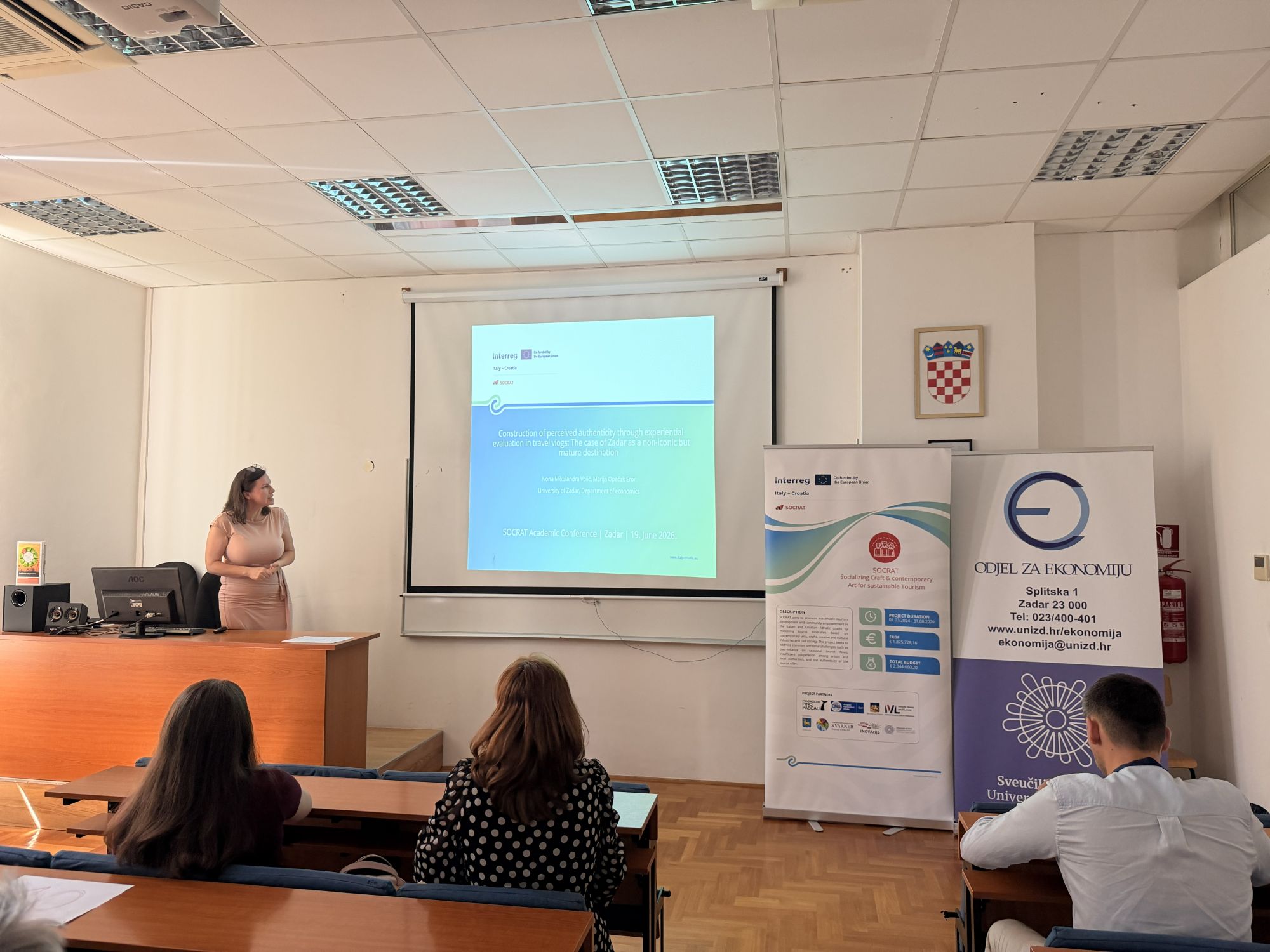
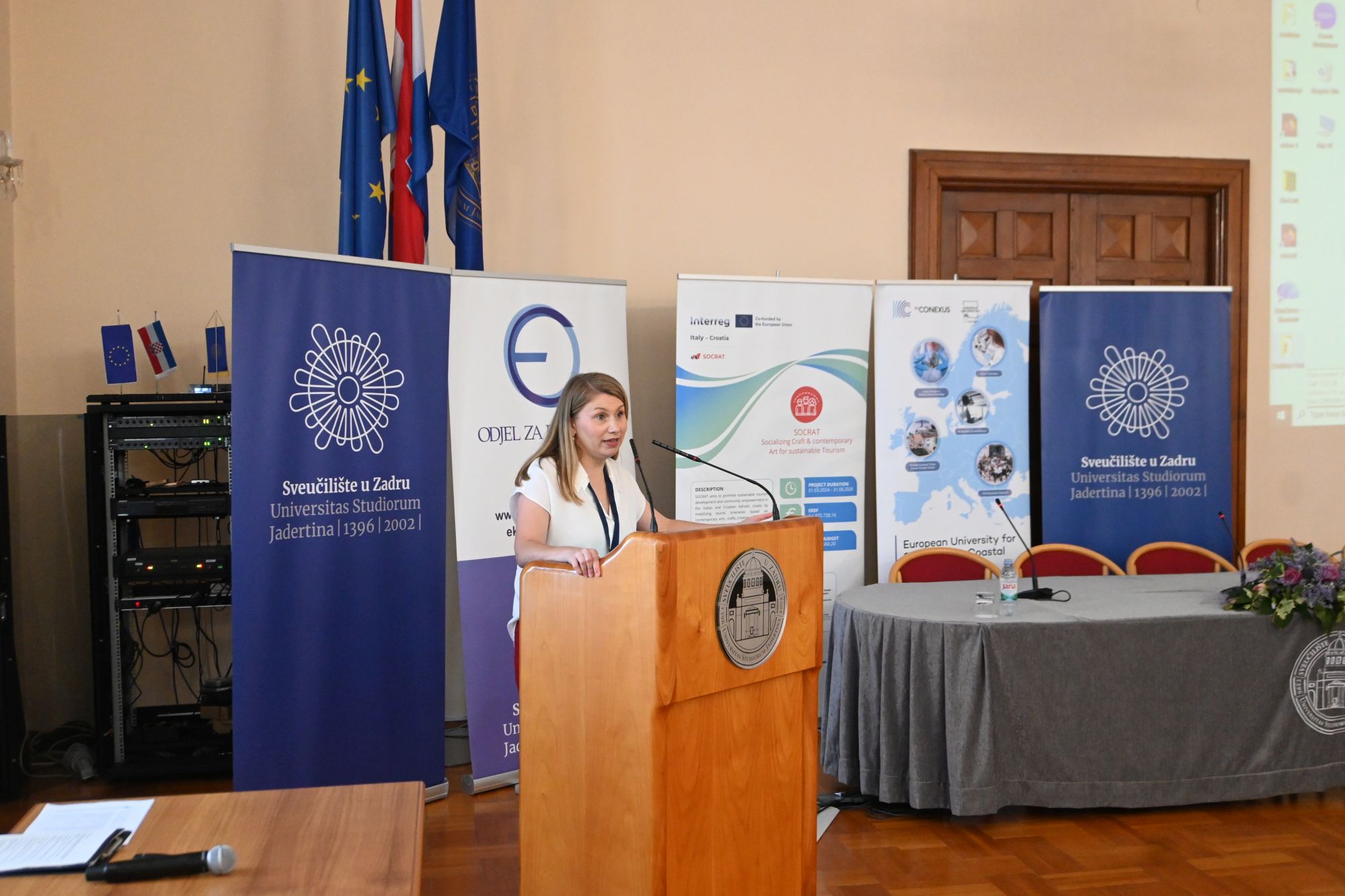
On 18–19 June, the University of Zadar hosted the international scientific and professional conference Co-creating Sustainable Tourism, organised within the framework of the SOCRAT project.
The two-day conference brought together researchers, tourism professionals, and project partners from several European countries to exchange knowledge, research findings, and practical experiences related to sustainable tourism development. Discussions focused on innovative approaches to destination management, stakeholder engagement, community participation, and the preservation of local cultural heritage and identity.
The conference opened with a keynote lecture by Daniela Angelina Jelinčić, who presented practice-based pathways for transforming sustainability principles into concrete actions in cultural and creative tourism development. Participants were also introduced to the SOCRAT Creative Living Labs, which were presented as a successful model for co-creating tourism products through collaboration among local communities, tourism stakeholders, and other destination actors.
A highlight of the first day was a discussion with Zadar-based chef Josip Vrsaljko, who shared insights into the role of local gastronomy in sustainable tourism development and showcased examples of good practice.
Throughout the conference, around thirty scientific and professional presentations explored a wide range of topics, including community-based tourism, cultural and creative tourism, regenerative tourism, digital transformation, stakeholder co-creation, and innovative approaches to sustainable destination development.
The conference reaffirmed the importance of connecting academic research with practical implementation. By fostering interdisciplinary dialogue and international cooperation, it created valuable opportunities for knowledge exchange and contributed to the development of more inclusive, resilient, and sustainable tourism destinations.
We would like to thank all participants, speakers, and partners for their valuable contributions and for helping make the conference a successful platform for collaboration, learning, and future initiatives within the SOCRAT project.
Social media post
🌍 Last week, the University of Zadar hosted the international scientific and professional conference “Co-creating Sustainable Tourism”, organised within the SOCRAT project.
Over two inspiring days, researchers, tourism professionals, and project partners from across Europe exchanged knowledge and experiences on sustainable tourism development, with a special focus on stakeholder engagement, community participation, and the co-creation of tourism experiences.
Participants explored topics ranging from cultural and creative tourism and regenerative tourism to community-based development and innovative destination management approaches. The conference also showcased the SOCRAT Creative Living Labs as an effective model for developing sustainable tourism products through collaboration among local stakeholders.
A big thank you to all speakers, participants, and partners for contributing to meaningful discussions and helping advance more inclusive and sustainable tourism destinations.🤝🌱
#SOCRAT #CoCreatingSustainableTourism #SustainableTourism #CreativeTourism #LivingLabs #CommunityEngagement #Interreg #ItalyCroatia #UniversityOfZadar
- Gallery:
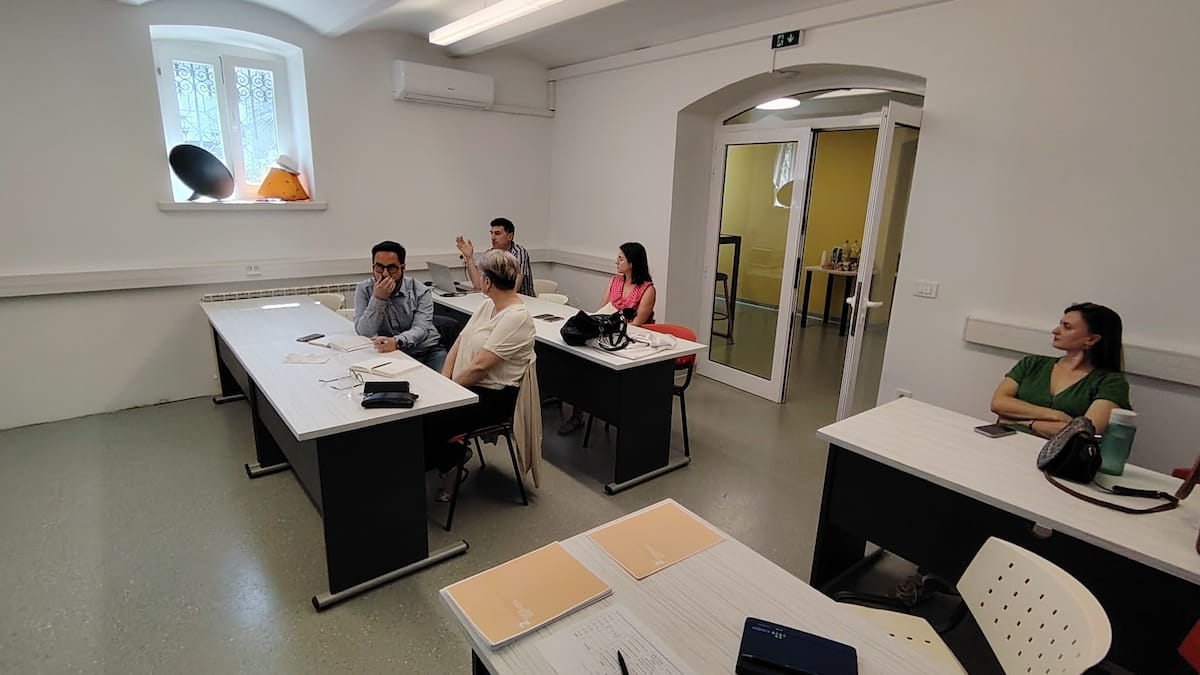
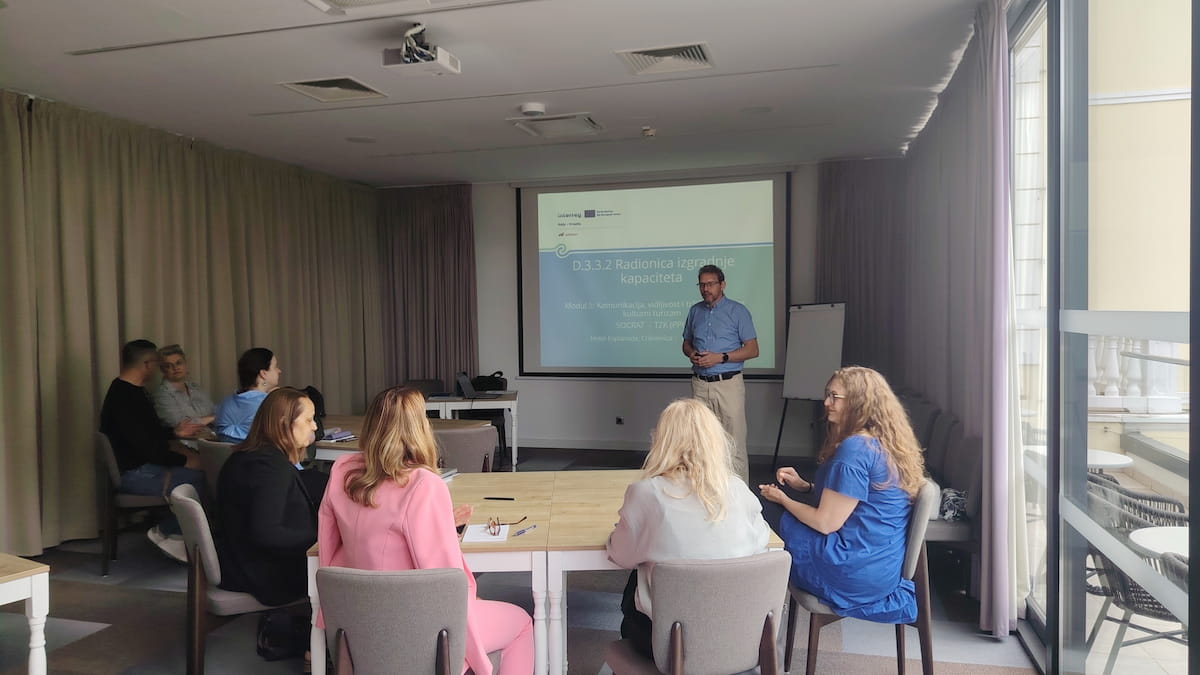
How can we connect tradition, contemporary art, and sustainable tourism? The recently concluded cycle of SOCRAT workshops in Kvarner (Croatia) provided the answers, equipping local stakeholders with practical tools to develop innovative cultural tourism products.
The Kvarner Region Tourist Board has successfully implemented a cycle of intensive capacity building workshops tailored for tourism and culture professionals. The workshops were designed to stimulate the development of authentic, co-created, and long-term sustainable tourism experiences. This training series was organized within the framework of the cross-border project SOCRAT – Socializing Craft & Contemporary Art for Sustainable Tourism.
Through three thematically linked workshops, participants gained practical knowledge, tools, and guidelines for implementing the innovative SOCRAT sustainable tourism model. This model focuses on the active involvement of the local community, social innovation, and the synergy between cultural and creative industries and the tourism sector.
Three Steps to Excellence: From Idea and Finance to the Market
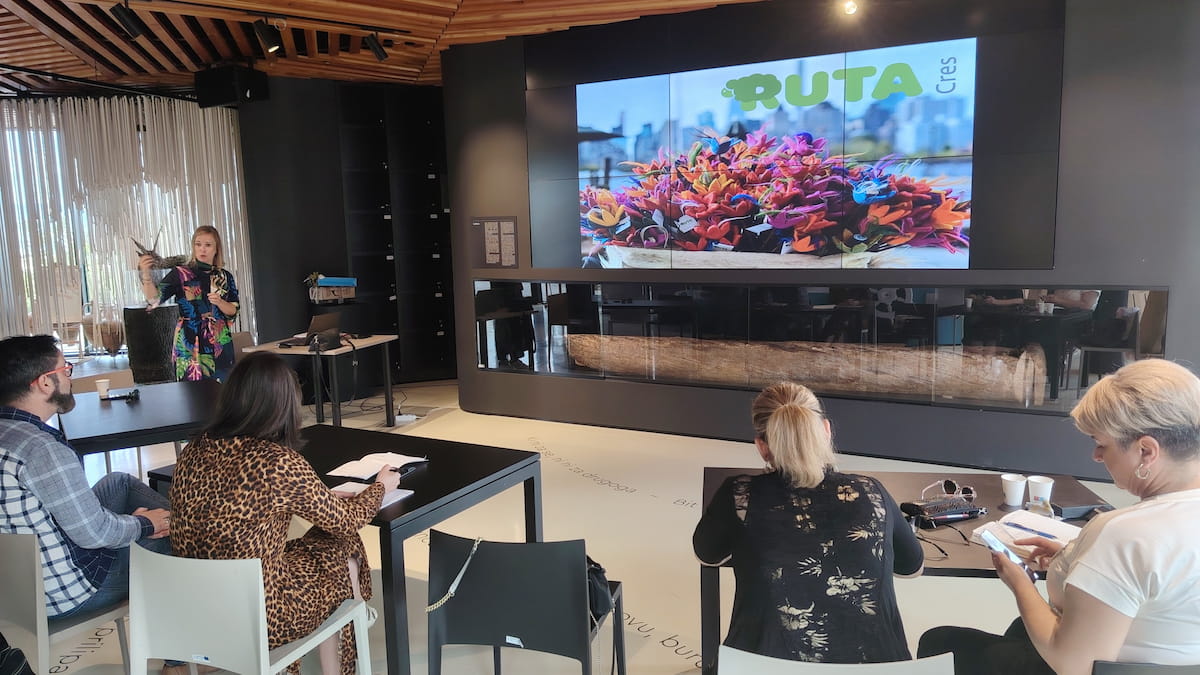
The cycle kicked off on May 27, 2026, in Malinska, where the Maritime Heritage Interpretation Centre DUBoak hosted a workshop dedicated to developing authentic, community-based tourism experiences. Participants mapped local resources and stakeholders. As an inspiring best-practice example of connecting tradition with contemporary tourism, the work of the "Ruta" Association and their projects with Cres wool was presented.
The capacity building continued on June 2, 2026, in Opatija, at the Hubbazia Entrepreneurship Incubator, focusing on creating a financially sustainable cultural tourism offer. During this workshop, participants utilized tools to define unique value propositions and developed stable revenue models and strategic partnerships essential for the economic stability of their projects.
The final part of the cycle took place on June 11, 2026, in Crikvenica, at the Boutique Hotel Esplanade, where the focus shifted to communication, visibility, and market reach. Alongside analyzing the local good practice example " Oily Fish Route" (Cesta plave ribe), participants learned how to craft impactful communication messages, precisely define target groups, and select the most effective promotion channels for cultural tourism content in a market-relevant manner.
Joint Conclusions and Next Steps
All workshops were characterized by interactive group work and discussions, allowing participants to directly apply theoretical knowledge to concrete ideas. The presented concepts demonstrated great potential for the cultural valorization of Kvarner's heritage through creative industries. Furthermore, the next steps were defined to foster stronger cross-sectoral networking among artists, civil society organizations, and tourism professionals.

- Gallery:


The local dissemination event (conference) of the SOCRAT project – SOcializing CRaft & Contemporary Art for Sustainable Tourism – was held on 26 May 2026 at the Center for Creative Industries in Zadar, organized by the Institution for Development of Competence, Innovation and Specialization of Zadar County – INOVAcija, one of the project partners. The project promotes the development of sustainable tourism through the integration of art, crafts, creative industries, and local communities.
The event brought together representatives of the cultural and creative sectors, artisans, artists, and the wider public. During the programme, project results were presented alongside new models of cultural and tourism experiences developed for the Zadar County area.
Special emphasis was placed on the activities carried out by INOVAcija through the triangular cooperation model, within which three creative living laboratories were implemented. Through collaboration between artists, artisans, and other stakeholders, innovative concepts were developed that contribute to creating an authentic and sustainable tourism offer.
As part of the event, a panel discussion was also held focusing on the importance of connecting creative industries and tourism, as well as the potential for local community development through authentic content and experiences.
In addition to the previously announced participants, there was a change in the panel line-up. Alongside Ivana Surać, destination management expert and owner of the Feel Croatia brand, the panel featured Klara Ivanović, entrepreneur and founder of the Fosca brand, which combines contemporary design, local tradition, and an authentic Mediterranean identity, and Ivana Bičanić, a Zadar-based designer and entrepreneur behind the ChicIB bags brand, known for its unique handmade bags distinguished by a blend of modern elegance, functionality, and authentic design. The discussion was moderated by Luka Jakopčić, external associate and coordinator of the creative laboratories implementation.
The participants also had the opportunity to see an exhibited works created through the creative living laboratories, as well as works by other artists and artisans who were not directly involved in the project. The exhibition further highlighted the project’s values and the potential of collaboration between the cultural, creative, and tourism sectors.
The event (conference) once again confirmed the importance of cross-sector collaboration in creating sustainable and innovative tourism content that contributes to local community development and strengthens destination identity.

Dear Sir/Madam,
We hereby invite you to the local dissemination event/conference of the SOCRAT project: Socializing Craft & Contemporary Art for Sustainable Tourism, which will take place on 26 May 2026 at the premises of INOVAcija institution (Center for Creative Industries, Put Murvice 3a, Zadar, Multifunctional Hall, 3rd floor), starting at 10:00 a.m.
The SOCRAT project focuses on the development of sustainable tourism by connecting art, crafts, creative industries and local communities, with the aim of creating authentic tourism experiences and diversifying tourism flows in the Adriatic cross-border region.
As part of the activities carried out by INOVAcija according to the model of so-called triangular cooperation, three experimental creative laboratories were implemented. Through these laboratories, models of new cultural and tourism products/experiences for the area of Zadar County were developed. The experience of implementing the laboratories, as well as the overall results of the SOCRAT project, will also be discussed during a thematic panel discussion held as part of the conference.
The speakers on the panel will be Ivana Surać, destination management expert and owner of the Feel Croatia brand, and Sandra Babac, farmer and owner of the agritourism brand Šinjorina Smokva. The discussion will be moderated by Luka Jakopčić, external associate and coordinator of the implementation of the experimental laboratories.
During the event, an exhibition of works by participants of the creative laboratories will also be presented, along with works by other artists and craftspeople involved in the SOCRAT project, contributing to the dissemination of its results and values.
Conference agenda:
10:00 – Gathering and registration of participants
10:30 – Presentation of project results and exhibition participants
10:45 – Panel discussion “The SOCRAT Project and the Development of Sustainable Tourism”
11:30 – Discussion
12:00 – Lunch, informal networking and exhibition viewing
Please confirm your attendance by e-mail at:
We look forward to your arrival!
Kind regards,
The SOCRAT Project Team
- Gallery:
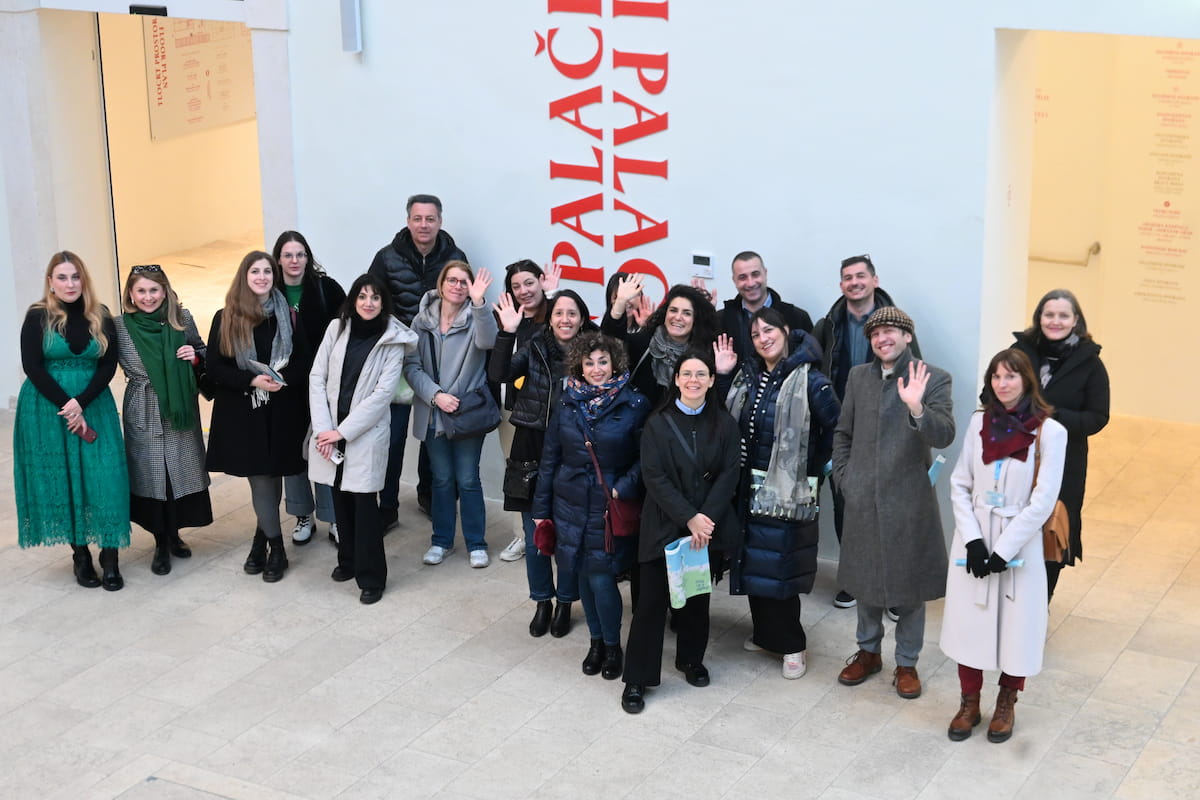
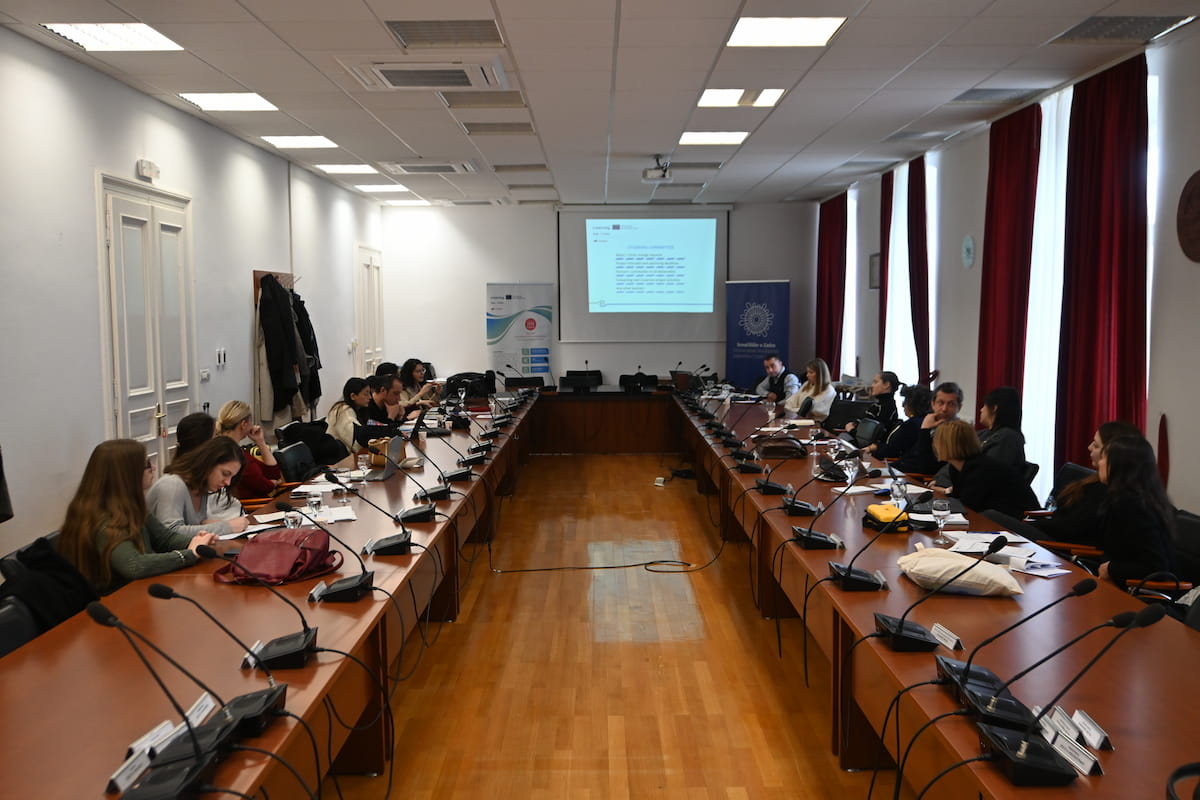
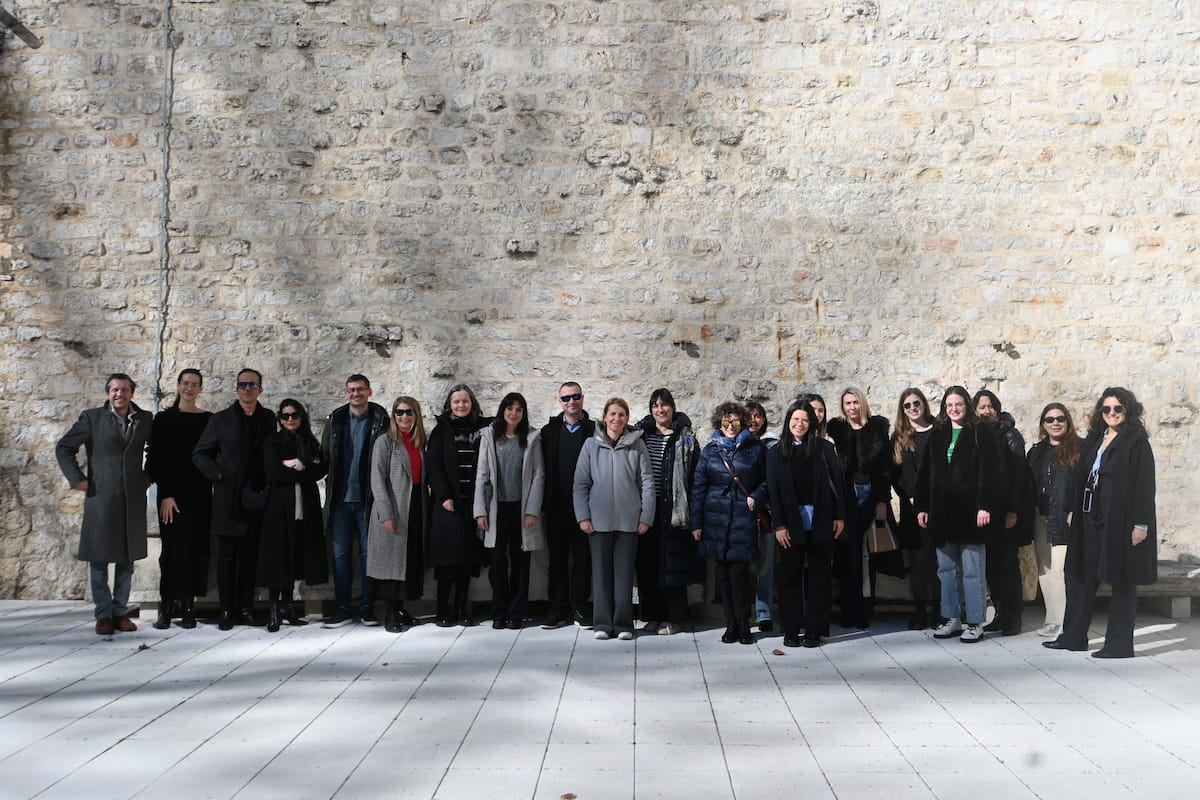
On 17 and 18 February 2026, the University of Zadar hosted the Partnership Meeting and Steering Committee of the project SOCRAT Socializing Craft and Contemporary Art for Sustainable Tourism, implemented under the Interreg Italy
Croatia Programme. The two-day meeting took place at the Rectorate of the University of Zadar and gathered project partners to review the progress of the ongoing work packagesand discuss the next steps towards the implementation of project activities. The discussions focused on the completion of WP1 deliverables and stakeholder endorsement, as well as on the advancement of WP2 and WP3 activities. Partners also addressed communication-related actions and administrative and financial matters relevant to the upcoming project phase. In addition to the working sessions, participants took part in a cultural walking tour of Zadar Old Town, including visits to the Rector’s and Providur’s Palace and
the permanent exhibition The Gold and Silver of Zadar, thus further strengthening the link between contemporary artistic practices, cultural heritage and sustainable tourism, which represent key objectives of the SOCRAT Socializing Craft and Contemporary Art for Sustainable Tourism project. On 18 February 2026, the Steering Committee meeting was held to ensure strategic coordination and effective planning of the forthcoming project activities.
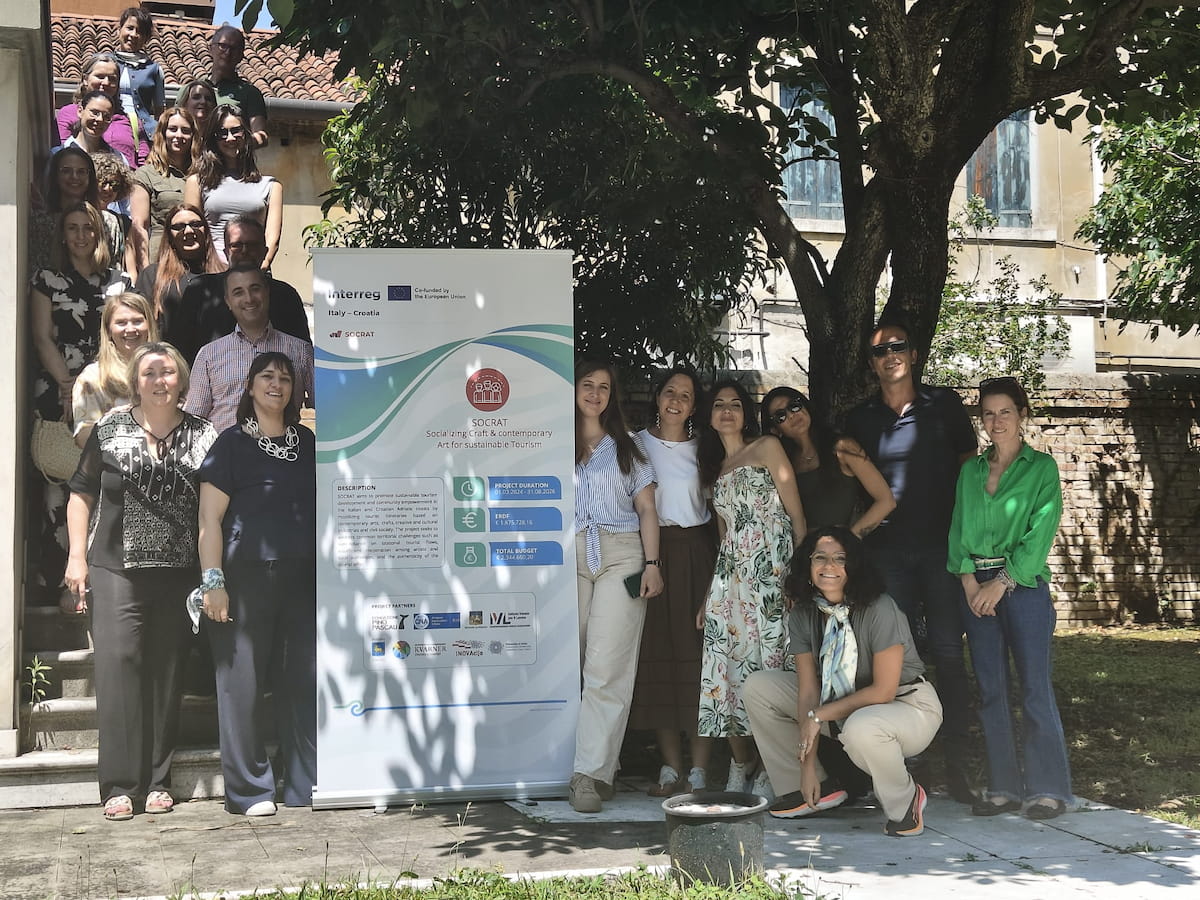
The SOCRAT project promotes sustainable tourism and empowers communities along the Italian and Croatian Adriatic coast by enhancing cultural itineraries through contemporary art, crafts, creative industries and civil society.
Guided by the principles of the New European Bauhaus, SOCRAT blends tradition with innovation to shape vibrant cultural landscapes.
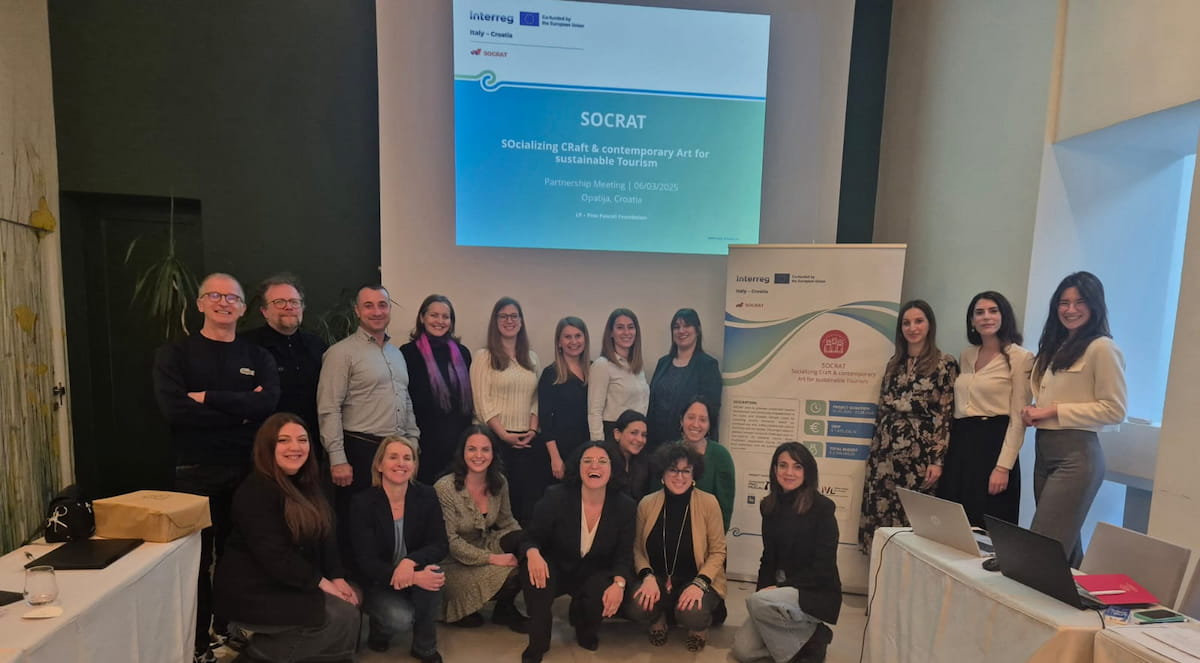
On March 6, 2025, the partners of the SOCRAT – Socializing Craft & Contemporary Art for Sustainable Tourism project gathered in Opatija, Croatia, for a highly productive Partnership Meeting. Hosted by the Kvarner Region Tourist Board (PP6), the meeting served as a key milestone in reviewing progress, refining strategies and strengthening collaboration among project partners.
The discussions focused on several crucial aspects of the project:
🔹 Progress Updates & Work Packages – Partners provided updates on ongoing activities, including the mapping and analysis of cultural and creative industries (CCIs). The meeting highlighted the importance of cross-sectoral collaboration in promoting artistic innovation and ensuring the economic and cultural sustainability of the tourism sector.
🔹 Creative Living Labs (CLLs) – One of the most anticipated elements of SOCRAT, the CLLs will serve as innovation hubs, bringing together artists, craftspeople and tourism professionals to co-create new cultural experiences. These labs aim to blend traditional craftsmanship with contemporary artistic expressions, offering unique and immersive experiences for future visitors.
🔹 Communication & Dissemination Strategies – Ensuring broad outreach and engagement remains a priority. The meeting emphasized the role of digital storytelling, social media, and promotional activities in raising awareness about the project and its impact. Partners reaffirmed their commitment to increasing visibility and fostering community involvement through various communication channels.
🔹 Future Steps & Implementation Plans – With the timeline for key deliverables outlined, the partnership is moving forward with a structured approach to completing research, finalizing methodologies and launching pilot activities. The upcoming months will be crucial in translating theoretical frameworks into actionable initiatives that will shape the future of sustainable cultural tourism.
As SOCRAT continues to evolve, we remain dedicated to fostering a dynamic and inclusive approach to cultural tourism—one that values heritage, innovation and community engagement. Stay tuned for further updates as we bring this vision to life!
🔗 Follow us for more news and insights!
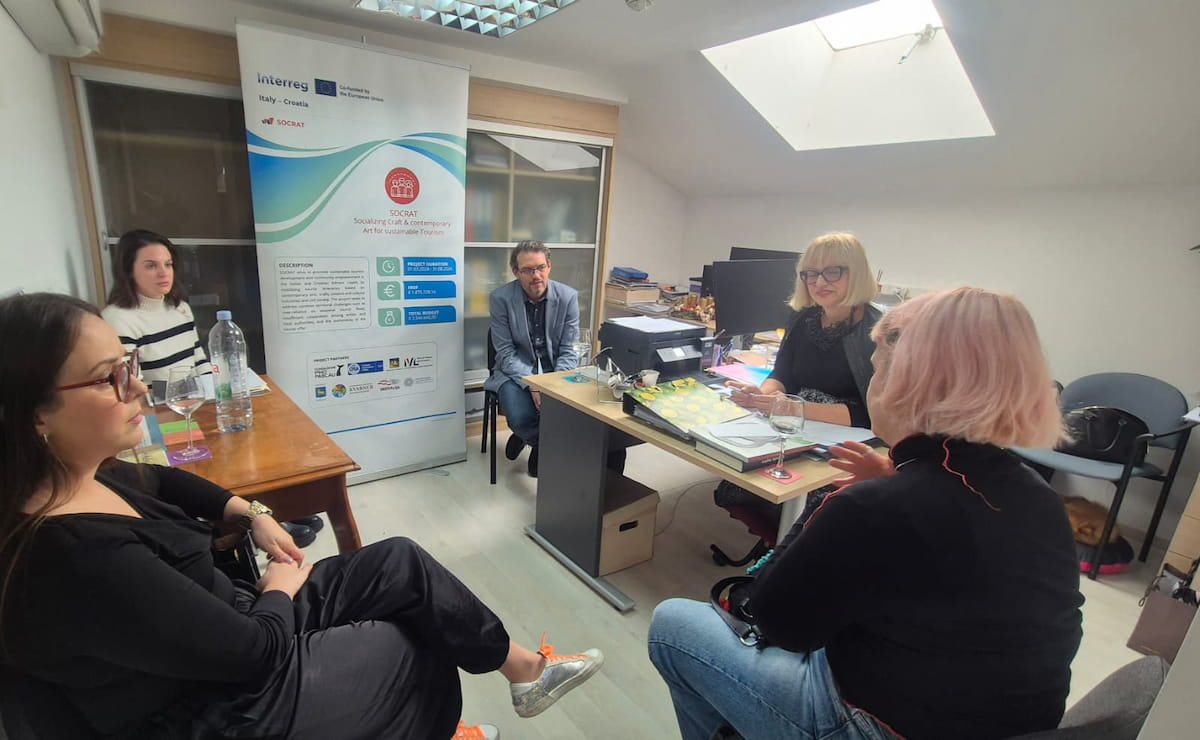
On 18th December in Opatija, a meeting within the EU project SOCRAT – Socializing Craft & Contemporary Art for Sustainable Tourism brought together representatives of the cultural, creative, and civil society sectors. The project strategy, Creative Living Labs, and key activities planned for 2026 in the Kvarner Region were presented, highlighting collaboration and sustainable tourism development based on local creativity and heritage.
Tekst: A meeting with representatives of the artistic sector, cultural and creative industries, and civil society organizations (associations) was held on the 18th of December in Opatija, Kvarner, within the framework of the EU project SOCRAT – Socializing Craft & Contemporary Art for Sustainable Tourism.
Presentation of the project strategy and methodology
During the meeting, participants were introduced to the SOCRAT strategy and the joint cross-border methodology developed within the project.
Special emphasis was placed on the Experimental Laboratories (Creative Living Labs) — comprehensive, temporary labs where selected artists, cultural and creative craftspeople and representatives of civil society will come together to jointly develop innovative cultural tourism products and/or services.
Upcoming activities
A number of activities are planned within the SOCRAT project during 2026 in the Kvarner Region, including:
Experimental Laboratories, in which selected representatives of the artistic sector, cultural and creative industries, and civil society organizations (associations) will develop new cultural tourism products and/or services, supported by a mentor from Italy, thereby strengthening cross-border cooperation between Croatia and Italy;
Organization of a round table with relevant stakeholders from the public sector, the economy, creative industries, and tourism, aimed at discussing opportunities for the application of the SOCRAT model;
Implementation of training programmes to strengthen the capacities of tourism and cultural professionals through lectures and hands-on workshops based on a manual developed within the project.
The goal of these training activities is to enhance the competencies of local tourism stakeholders, transfer the SOCRAT model into practice, promote sustainable and responsible tourism, and encourage authentic and resilient tourism development in the Kvarner Region.
Stakeholder engagement and further development
An important component of the project is the collection of participant feedback through evaluation questionnaires, with the aim of further improving the developed tools and ensuring their effectiveness in strengthening local capacities.
The SOCRAT project highlights the importance of connecting culture, creativity, and tourism, demonstrating how collaboration among local stakeholders can contribute to the development of sustainable tourism models that respect the identity of destinations and local communities.
Photo credit: Archive of the Kvarner Region Tourist Board