
News and Events
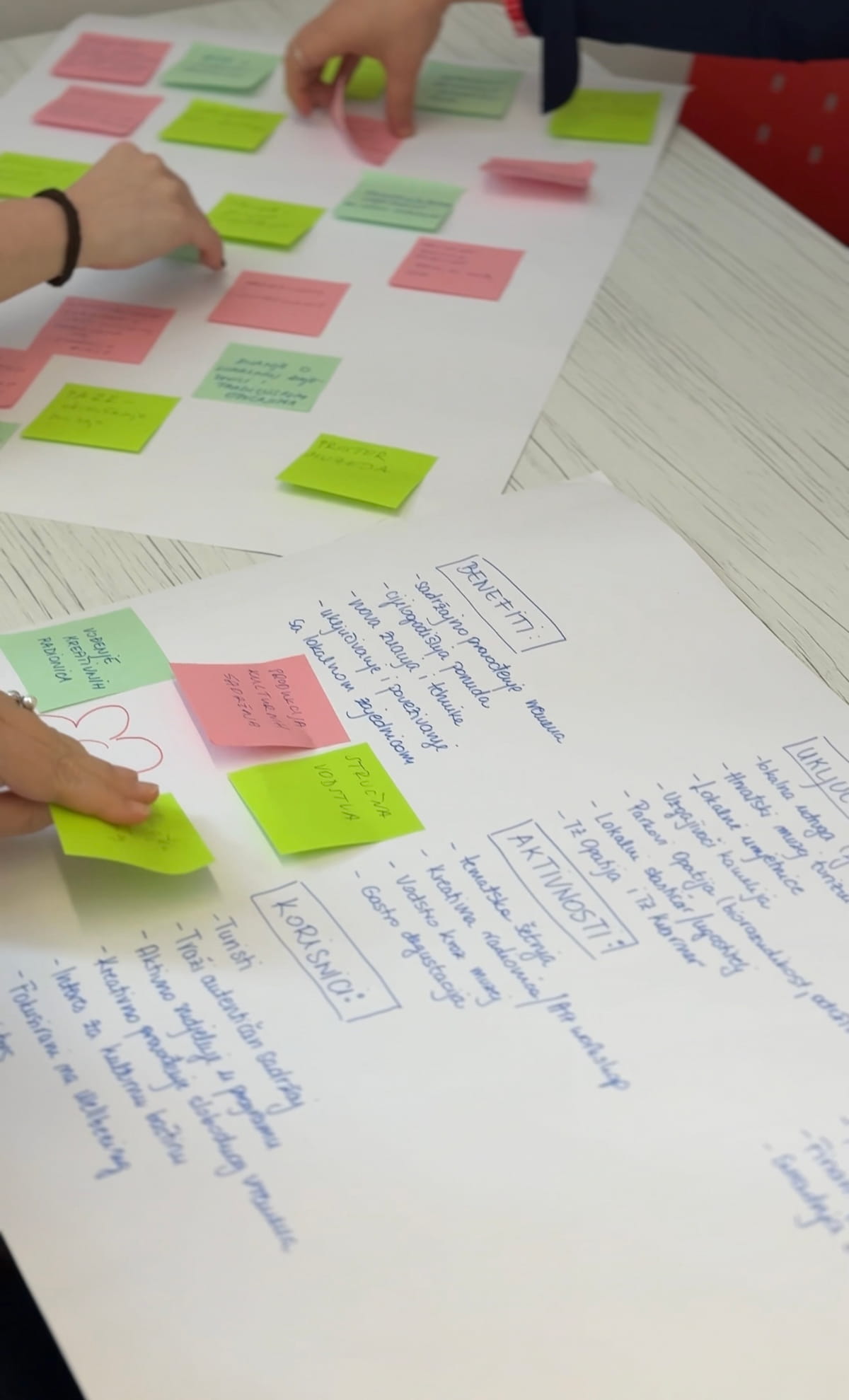
On March 10, 2026 Opatija (Kvarner Region) became a hub of ideas and collaboration as local stakeholders gathered for a participatory meeting within the EU-funded SOCRAT Project – Socializing Craft & Contemporary Art for Sustainable Tourism.
Connecting Ideas and Creative Minds
The meeting brought together an artist, a representative of the creative industry, and a local association, with the goal of networking and developing a collaborative project through the upcoming Creative Living Lab. The session began with an introduction to the SOCRAT project and a chance for participants to get to know each other.
The moderator from the Sustainability Office presented global tourism trends and the concept of sustainable cultural tourism. Participants explored innovative examples of sustainable tourism and discussed how Opatija’s rich heritage, local resources and community engagement could inspire future projects. Attendees identified their own resources and explored potential synergies, leading to a collaborative project idea through a design thinking workshop. The meeting concluded with presentations of the joint proposal, which were recorded to document this exciting collaboration.
A Blooming Idea: The Camellia-Themed Tour
The participatory session generated a creative project idea that will be further developed in the Creative Living Lab: a thematic tour through Opatija’s parks centered on the camellia, a flower closely tied to the city’s identity.
The experience will begin with a guided walk through Opatija’s historic parks, where visitors can learn about the botanical, cultural and historical significance of camellias and their connection to the city’s landscape. The tour culminates at the Croatian Museum of Tourism, where local artists will lead creative workshops focused on painting camellias. These sessions will encourage participants to slow down, express themselves artistically, and reconnect with their surroundings in a calm and inspiring environment.
Adding a multisensory dimension, participants can taste local products inspired by camellias, such as tea and desserts crafted by local artisans. Beyond its cultural and creative value, the tour will be designed as a gentle wellness experience, offering relaxation and mental restoration for visitors experiencing stress or burnout. This approach aligns with Opatija’s long-standing tradition as a destination for health and wellness, dating back to the 19th century.
By combining heritage, art, well-being and local products, this project aims to create a sustainable, innovative tourism experience that continues Opatija’s historic role as a city of culture, health and relaxation.
Looking Ahead
The participatory meeting successfully brought together representatives from the local creative community, NGOs and artists. Their collaboration has already produced a promising project idea, which will now be refined with the guidance of the Italian mentor and further developed in the Creative Living Lab.
This initiative demonstrates how art, culture and sustainability can come together to create meaningful experiences for both locals and visitors—highlighting Opatija as a vibrant city where creativity blooms alongside heritage and well-being.
- Gallery:
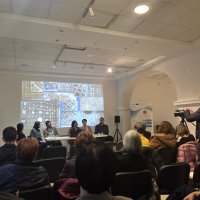
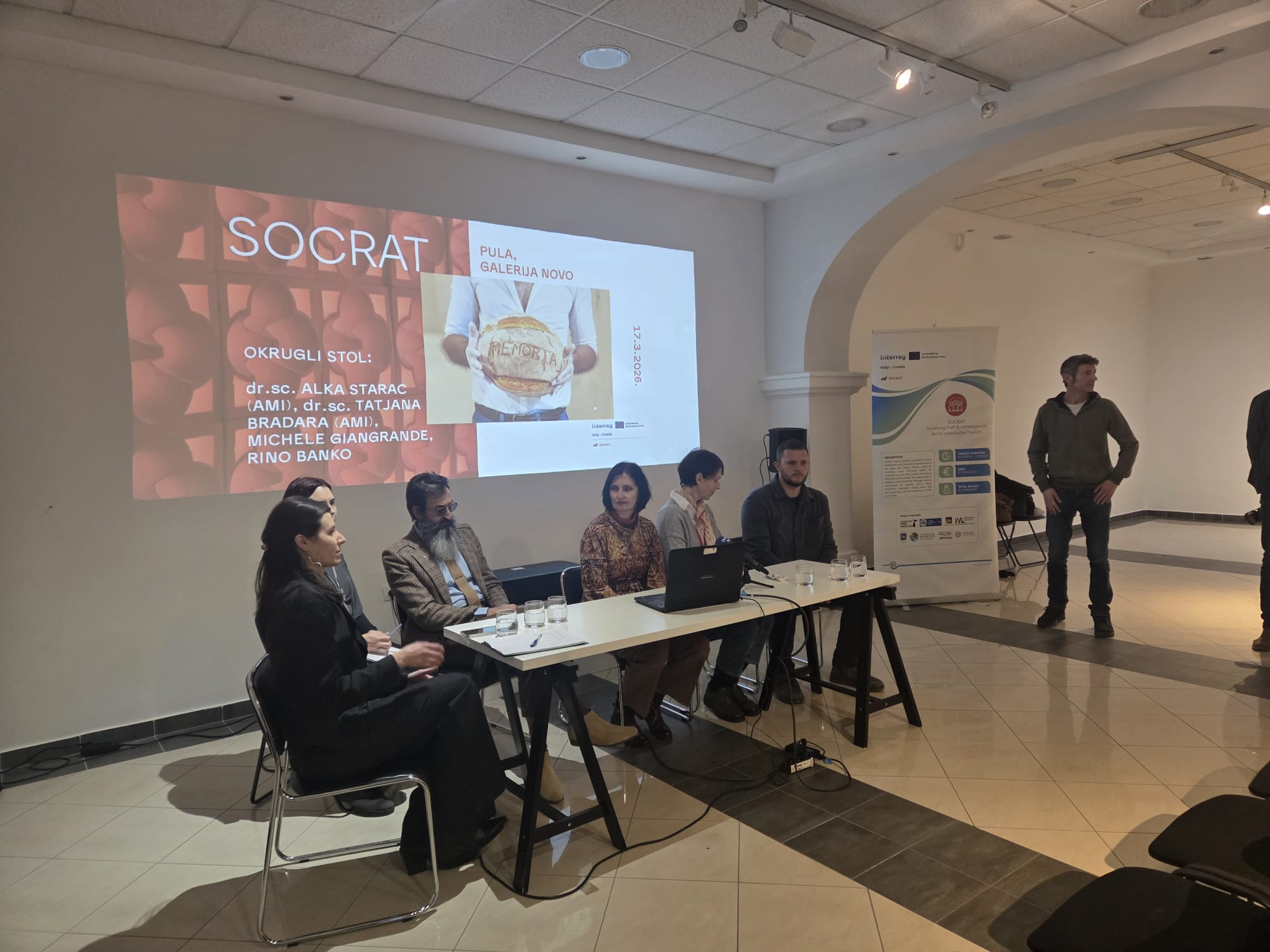
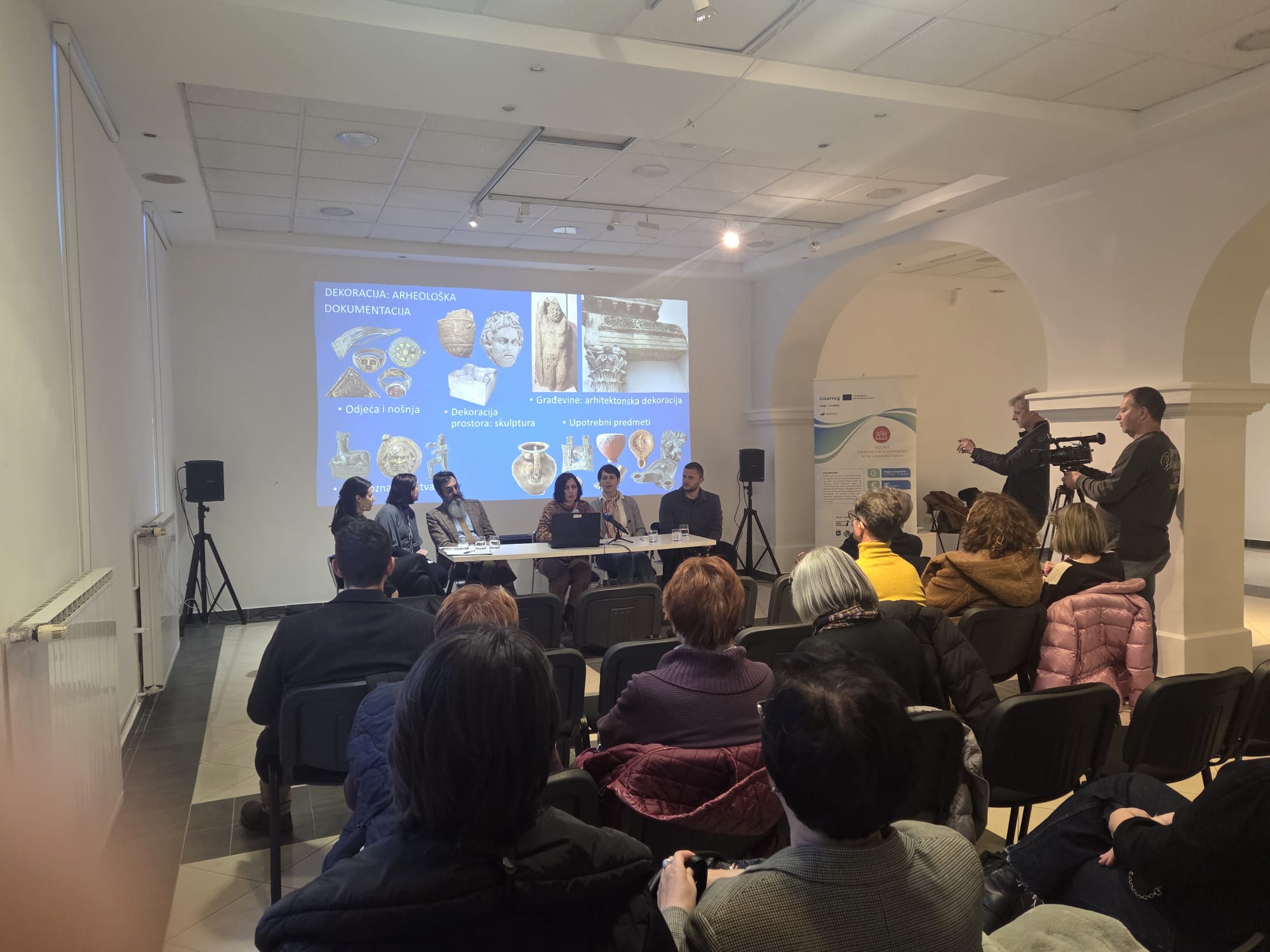
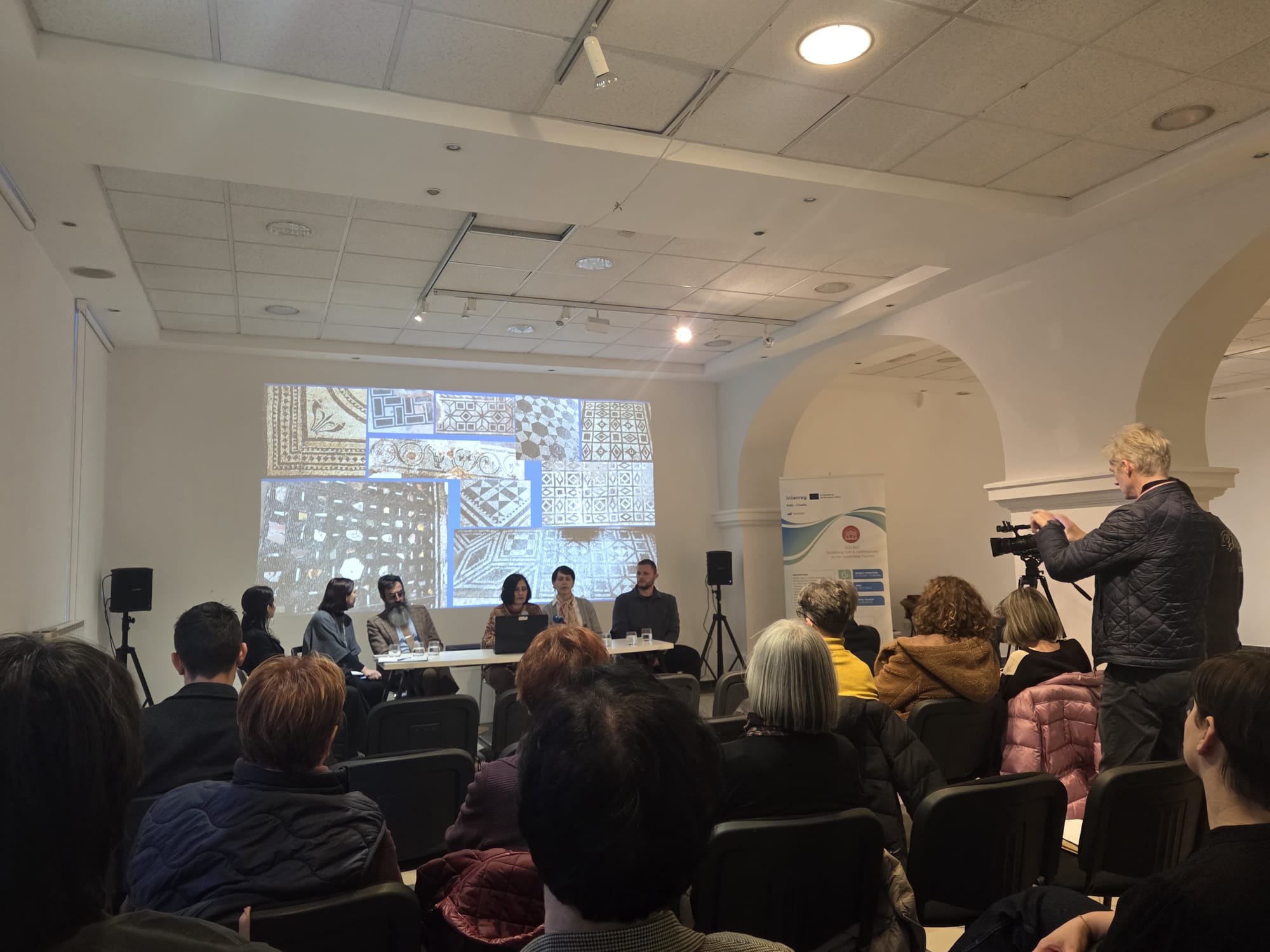
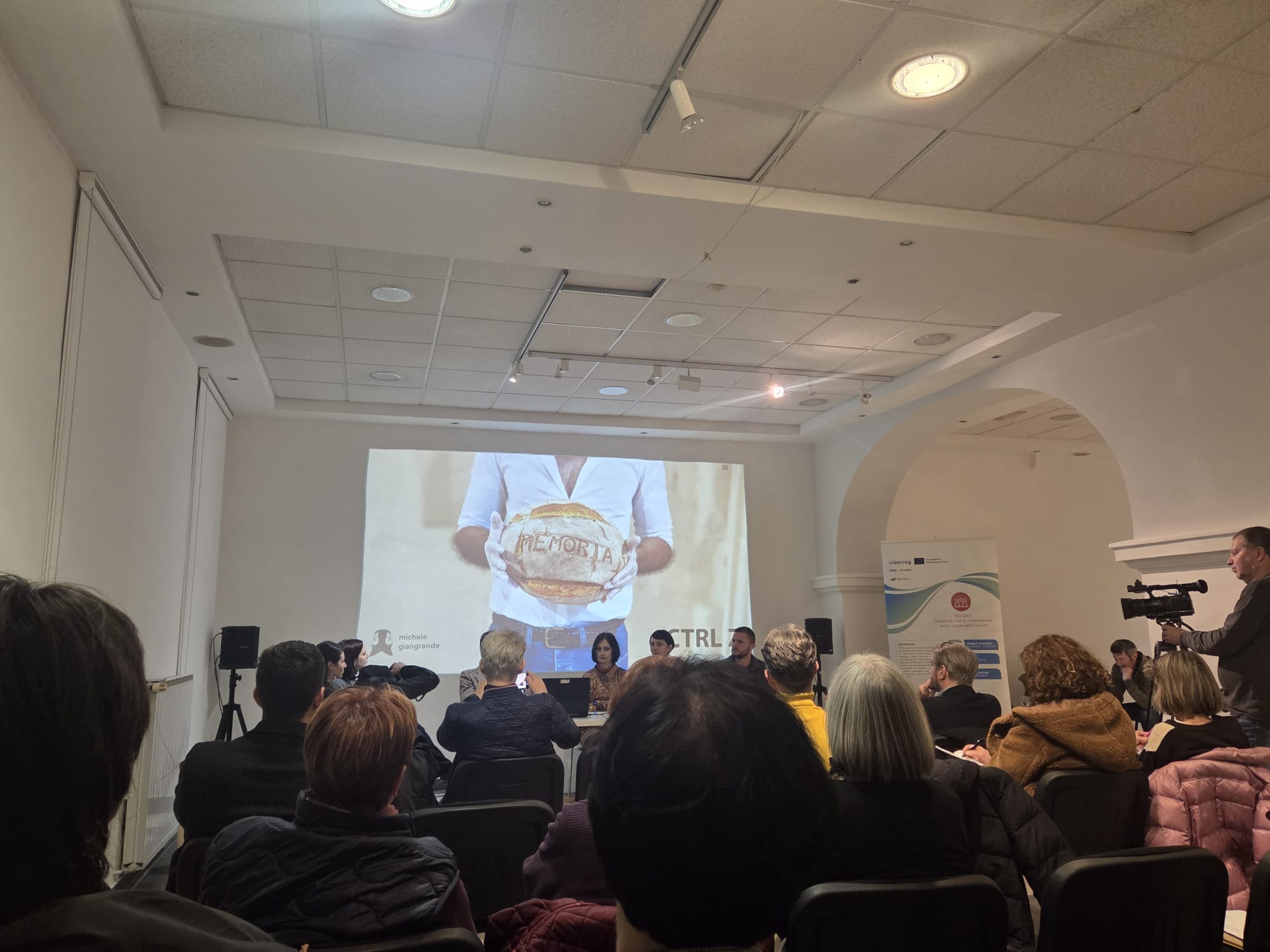
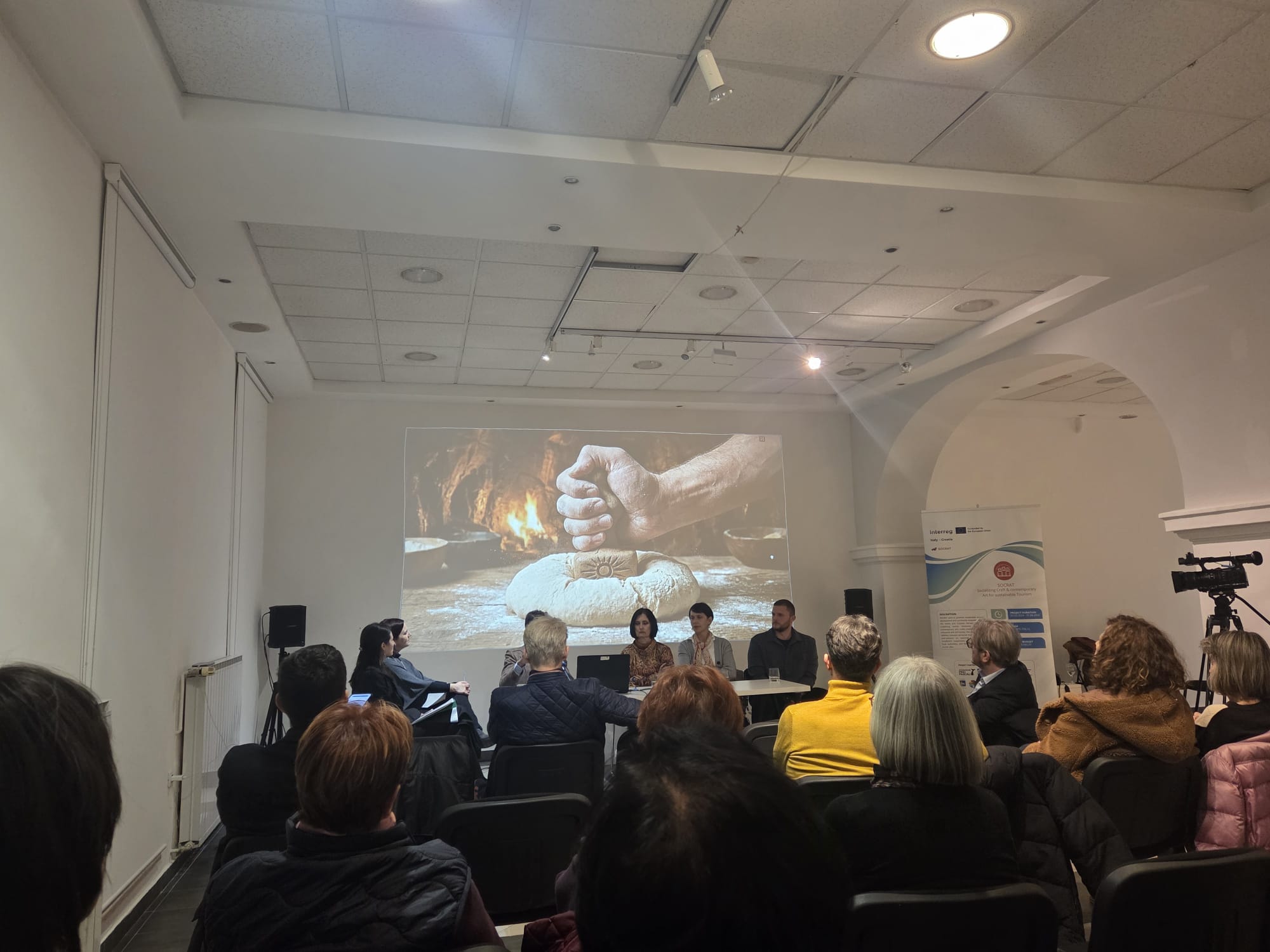
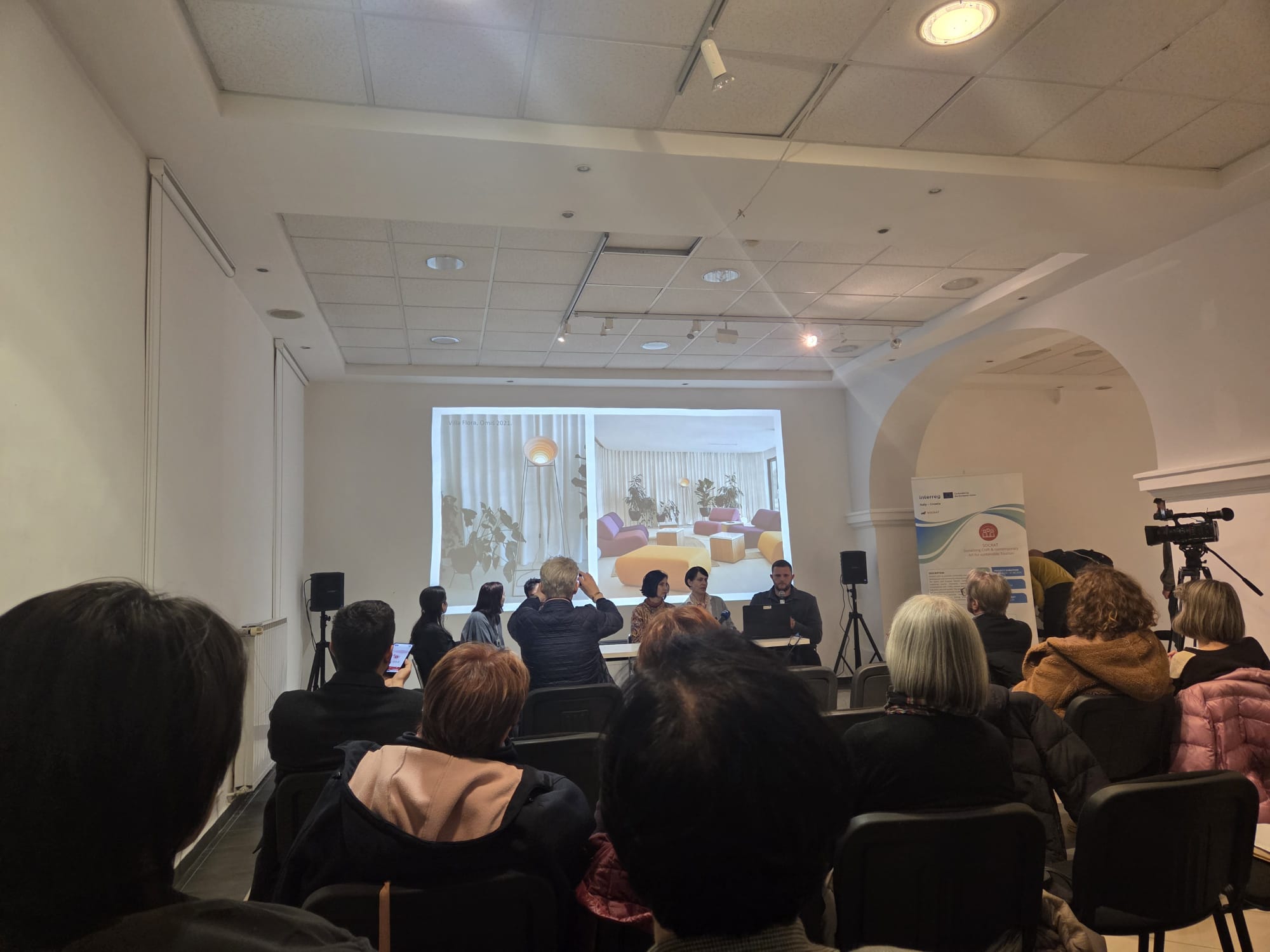
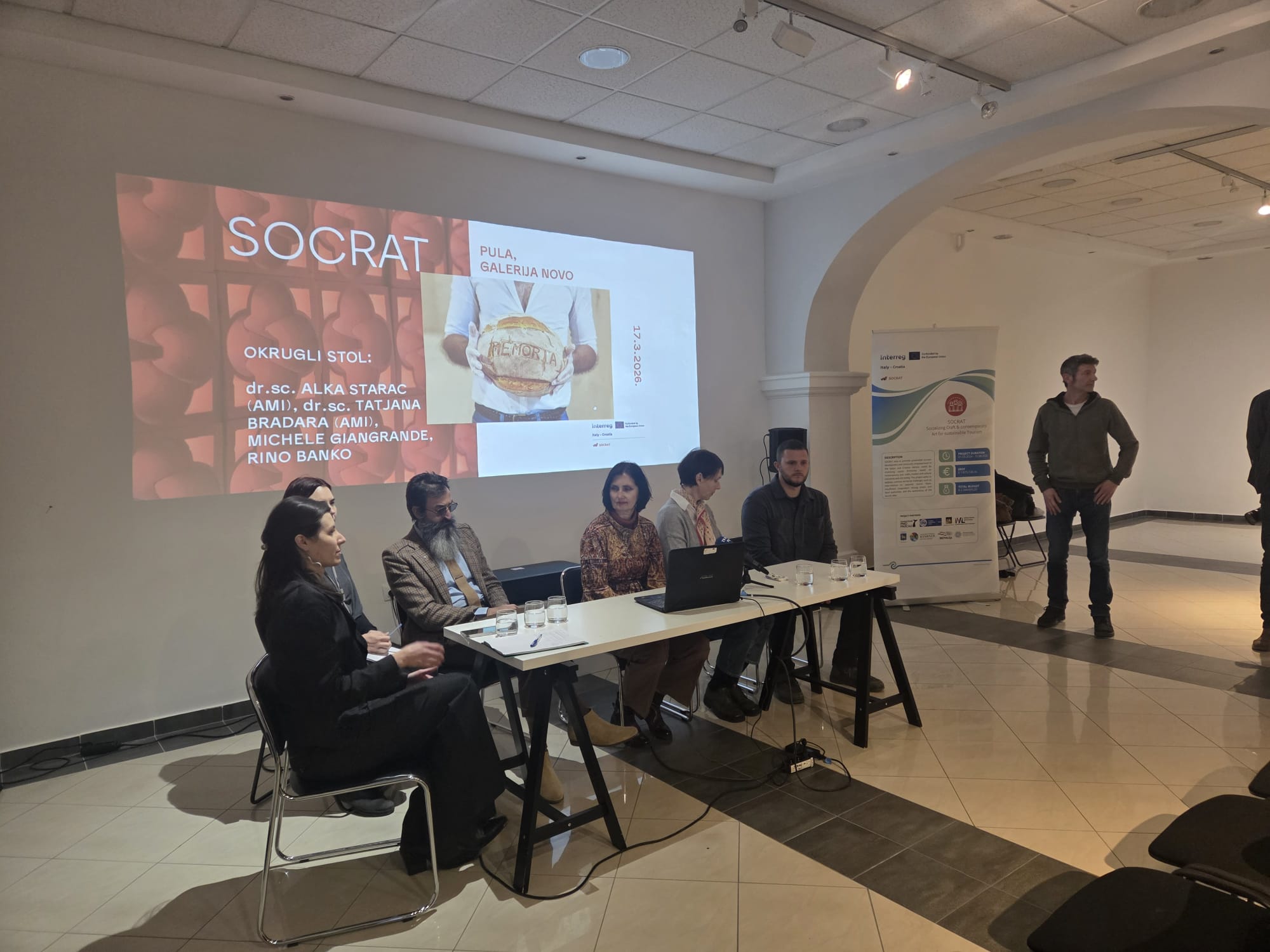
On Tuesday, March 17, at 6 p.m., a round table discussion on ceramics and sculpture—viewed through the lens of science, art, and applied arts and crafts—was held at the Novo Gallery in Pula. The event was organized as part of the "Creative Living Laboratory for Ceramics and Sculpture," within the framework of the SOCRAT project, by the Region of Istria and the Public Open University of Labin.
The participants in the round table included museum advisors from the Archaeological Museum of Istria, Dr. Tatjana Bradara and Dr. Alka Starac, artist-mentor Michele Giangrande from Italy, and Croatian artist Rino Banko. The round table—moderated by Stephanie Peršić, program manager and curator at the Labin City Gallery—focused on ceramics and sculpture, with a particular emphasis on contextualizing and linking the historical origins of early utilitarian objects and artistic figures with contemporary approaches in fine and applied arts. As part of the program, Dr. Tatjana Bradara discussed late medieval and early modern ceramic vessels held by the Archaeological Museum of Istria, while Dr. Alka Starac presented decorative motifs found on ancient monuments in Istria. Artists Michele Giangrande and Rino Banko showcased their artistic practice, as well as the work created within the framework of the SOCRAT project.
The Creative Living Laboratory for Ceramics and Sculpture is the third ten-day laboratory within the SOCRAT project. It took place from March 10 to 20, 2026, across several locations in Istria—Labin, Pula, Rovinj, and Vodnjan—and was organized by the Public Open University Labin. The project aimed to foster connections between art and craftsmanship, as well as between the public and civil sectors, through interactive activities involving the local community. In this instance, these objectives are pursued via the artistic medium of sculpture—specifically, artisanal ceramics.

Fondazione Pino Pascali – Museum of Contemporary Art, as Lead Partner of the SOCRAT project (SOcializing CRaft & contemporary Art for sustainable Tourism), announces an international call for artists/tutors and creative professionals to participate in the Creative Living Labs (CLLs) to be held in Zadar County (Croatia) in March 2026.
Through this call, the Lead Partner aims to select one external artist/tutor per Creative Living Lab.
These CLLs are part of a series of 13 Creative Living Labs being currently implemented within the framework of the project across the programme area (Italy and Croatia).
The initiative fosters cultural exchange and collaboration between artists, craft professionals, and local communities through immersive ten-day laboratories dedicated to co-creation, dialogue, and sustainable cultural tourism. Each CLL focuses on specific sectors and explores the relationship between contemporary artistic innovation and traditional local heritage.
Here are the upcoming Creative Living Labs in Zadar County!
(1) Creative Living Lab - Creative Visual Arts Lab. Painting on canvas and textile inspired by the reinterpretation of the coastal area’s historical and literary heritage.
Location: Center for creative industries, Put Murvice 3A, 23000 Zadar
Artist: Senka Lončar
CCI: Fosca Art
CSO: DONAT Tourist Guides Association
10 working days scheduled between 02/03/2026 – 21/03/2026
(2) Creative Living Lab – Traditional gastronomy, digital arts. Creative Lab on Traditional Gastronomic Heritage: folk tales, legends, and contemporary digital generative art practices.
Location: Center for creative industrie Put Murvice 3A, 23000 Zadar
Artist: Dubravka Visković
CCI: Šinjorina Smokva
CSO: Medarice Association (Udruga Medarice)
10 working days scheduled between 02/03/2026 – 21/03/2026
(3) Creative Living Lab – Ceramics and Stone Arts. Creative Laboratory of Ceramics and Stone Arts: Creative reinterpretation of local ethno heritage and island way of life.
Location: Center for creative industries, Put Murvice 3A, 23000 Zadar
Artist: Goran Blažević
CCI: Liliput Gallery
CSO: Rekreativci Association (Udruga Rekreativci)
10 working days scheduled between 02/03/2026 – 21/03/2026
Eligibility note: to ensure the cross-border dimension, the selected artist/tutor must come from a country different from the host country.
Applications must be submitted by 2 March 2026.
Information:

On Friday, July 25, 2025, the SOCRAT – Socializing Craft & Contemporary Art for Sustainable Tourism project hosted an inspiring stakeholder workshop at the House of the Halubje Bell Ringers in Viškovo. The event gathered representatives from the cultural and creative industries, civil society organizations and contemporary art to share insights and build cross-sectoral collaboration.
The workshop was designed to:
• Gather qualitative insights from stakeholders through structured dialogue
• Connect participants from different sectors and encourage cross-sectoral exchange
• Identify opportunities for co-creating innovative tourism products
• Introduce participants to the upcoming Creative Living Labs within the SOCRAT project
The session began with an overview of the SOCRAT project and its goals, followed by a reflection on cultural valorization and an engaging round of introductions where participants shared what culture means in their communities.
Participants then worked in thematic groups, exploring:
• Practical applications of cultural valorization
• Opportunities for collaboration and innovation across sectors
• Ideas for new, sustainable, culture-based tourism products
Finally, the groups presented their ideas and findings in a plenary session, generating rich discussion and shared conclusions.
To wrap up the workshop, participants were invited to actively take part in the next project phase—Creative Living Labs.
All participating focus group members showed high levels of interest in the project’s goals and future activities. The workshop provided a unique opportunity for meaningful exchange of ideas and building new connections across cultural and creative fields. Many attendees expressed excitement about joining the Creative Living Labs, where these initial conversations will evolve into concrete, innovative outcomes.

Within the SOCRAT Project – SOcializing CRaft & contemporary Art for sustainable Tourism / Co-financed by the Interreg V-A Italy-Croatia Cross-Border Cooperation Programme
Within the European project SOCRAT – SOcializing CRaft & contemporary Art for Sustainable Tourism, the Fondazione Pino Pascali – Museum of Contemporary Art, as Lead Partner, presents a new series of Creative Living Labs (CLLs) to be held in Puglia between January and February 2026.
The Creative Living Labs are conceived as immersive, temporary and collaborative environments where contemporary artistic practices, traditional craftsmanship and local communities come together to co-create innovative and sustainable cultural tourism experiences. Each lab lasts 10 days and focuses on specific sectors, exploring the relationship between artistic research, material culture and territorial identity. The Puglia-based Creative Living Labs are part of a wider programme of 13 CLLs implemented across Italy and Croatia, fostering cross-border cultural exchange and community-based creative processes. Of the three Creative Living Labs scheduled to take place, one will be coordinated by CNA Bari/BAT (HABITAT), while two will be coordinated by the Fondazione Pino Pascali (TESSITURE MUSICALI; FOTOTROFIO/TRAME DELLO SGUARDO).
Through this call, the Lead Partner aims to select one external artist/tutor per Creative Living Lab. To guarantee the international and cross-border nature of the project, the selected artist/tutor must be based in a country different from the host country.
Upcoming Creative Living Labs in Puglia:
Creative Living Lab – HABITAT (Gravina in Puglia / Gioia del Colle) – Contemporary Art, Cheesemaking, Sustainable Tourism
Get ready for an experience of artistic and territorial exploration with the Creative Living Lab HABITAT in Puglia! The lab investigates the relationship between contemporary art, artisanal dairy production, and sustainable cultural tourism, taking as its starting point the transformation processes of local cheese-making practices. The project is developed through a collaboration between artist Francesco Strabone, the artisanal dairy Caseificio Fratelli Derosa, and the social promotion association VIBR_AZIONI APS, under the coordination of CNA Bari/BAT, and actively involves local communities in a co-creation process that intertwines artistic research, productive practices, and landscape interpretation. Through exploratory visits, creative activities, and moments of public sharing, participants will contribute to the construction of a visual and cultural narrative that connects biodiversity, traditional knowledge, and local identities, with particular attention to the micro-landscapes of cheese ageing and hypogeal environments.
Location: Distilleria Cassano, Gioia del Colle (BA) (main venue) and Caseificio Artigianale Fratelli Derosa, Gravina in Puglia (BA) (occasional venue) Period: 10 working days scheduled between 3 and 20 February.
Creative Living Lab – Tessiture Musicali (Putignano) – Sound Art & Textile
Get ready for an immersive experience with the Creative Living Lab Tessiture Musicali in Puglia! The lab is developed through a collaboration between musician Roberto Redavid, textile artisan Antonella Pagano (brand Simplicitas), and the GAL Trulli e Barsento (represented by Giuseppe Genco), and proposes an experimental pathway at the intersection of sound, textile craftsmanship, and territory. Through the sampling of environmental sounds and the observation of specific local textile patterns, participants will contribute to the creation of soundscapes and graphic scores inspired by materiality, gesture, and local identity. The final phase involves the interpretation of the scores through acoustic and electronic instruments, resulting in a site-specific composition in dialogue with the acoustic characteristics of the Grotta del Trullo di Putignano.
Location: Teatro Comunale di Putignano (2nd floor), main venue, and Grotta del Trullo Putignano (occasional venue). Period: 10 working days scheduled between 30 January and 28 February.
Creative Living Lab – Fototrofio / Trame dello Sguardo (Giovinazzo) – Photography, Archive & Textile
Get ready for a research-based and co-creative experience with the Creative Living Lab Fototrofio – Trame dello Sguardo in Giovinazzo! The lab explores the dialogue between contemporary photography, place-based memory, and textile practices, starting from the recovery and reinterpretation of found photographic images. Abandoned photographs are transformed through manual gestures such as stitching, weaving, and textile interventions, generating new visual and material narratives connected to identity and passage. The lab involves the participation of the visual artist and photographer Nicola Cipriani, founder of Fototrofio – Poetic Archive of Found Images, in collaboration with fashion designer and textile artisan Maria Elena Di Terlizzi and the GAL Nuovo Fior d’Olivi (represented by Vincenzo Depalo) as a territorial partner.
Location: Cittadella della Cultura, Giovinazzo (BA) Period: 10 working days scheduled between 1 and 28 February.
- Gallery:
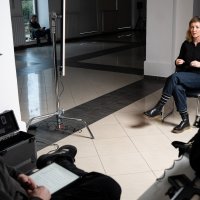
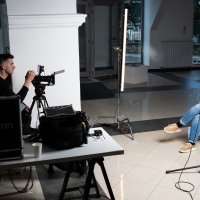
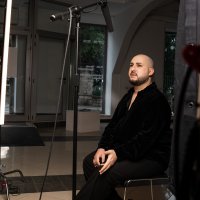
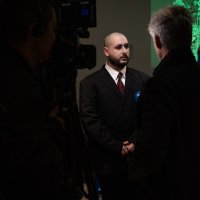
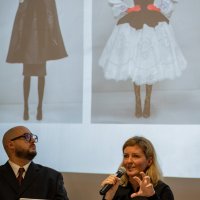
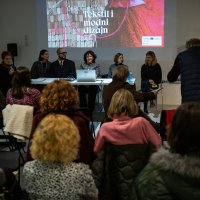
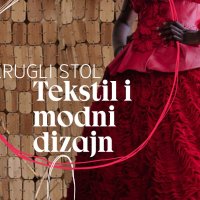
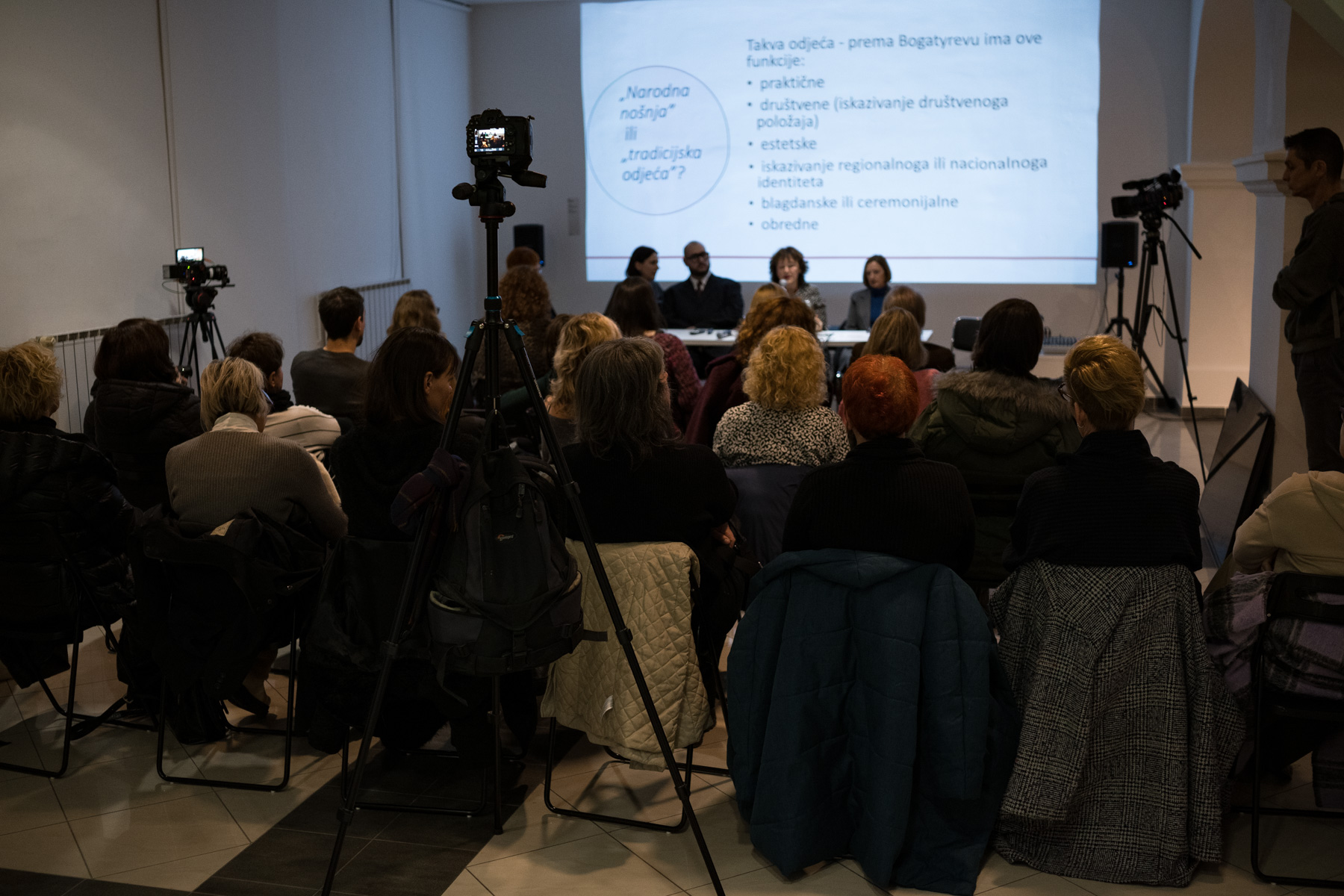
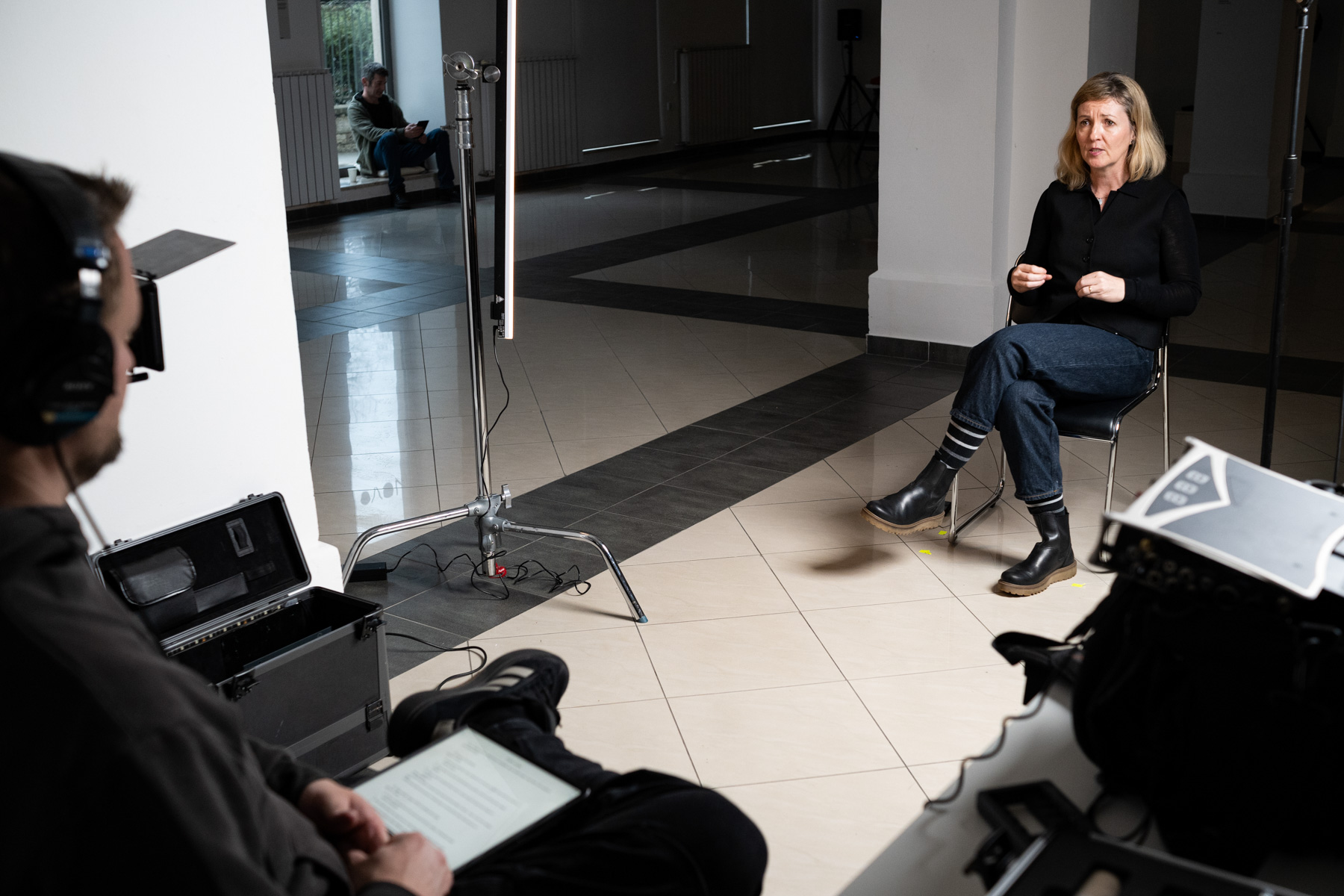
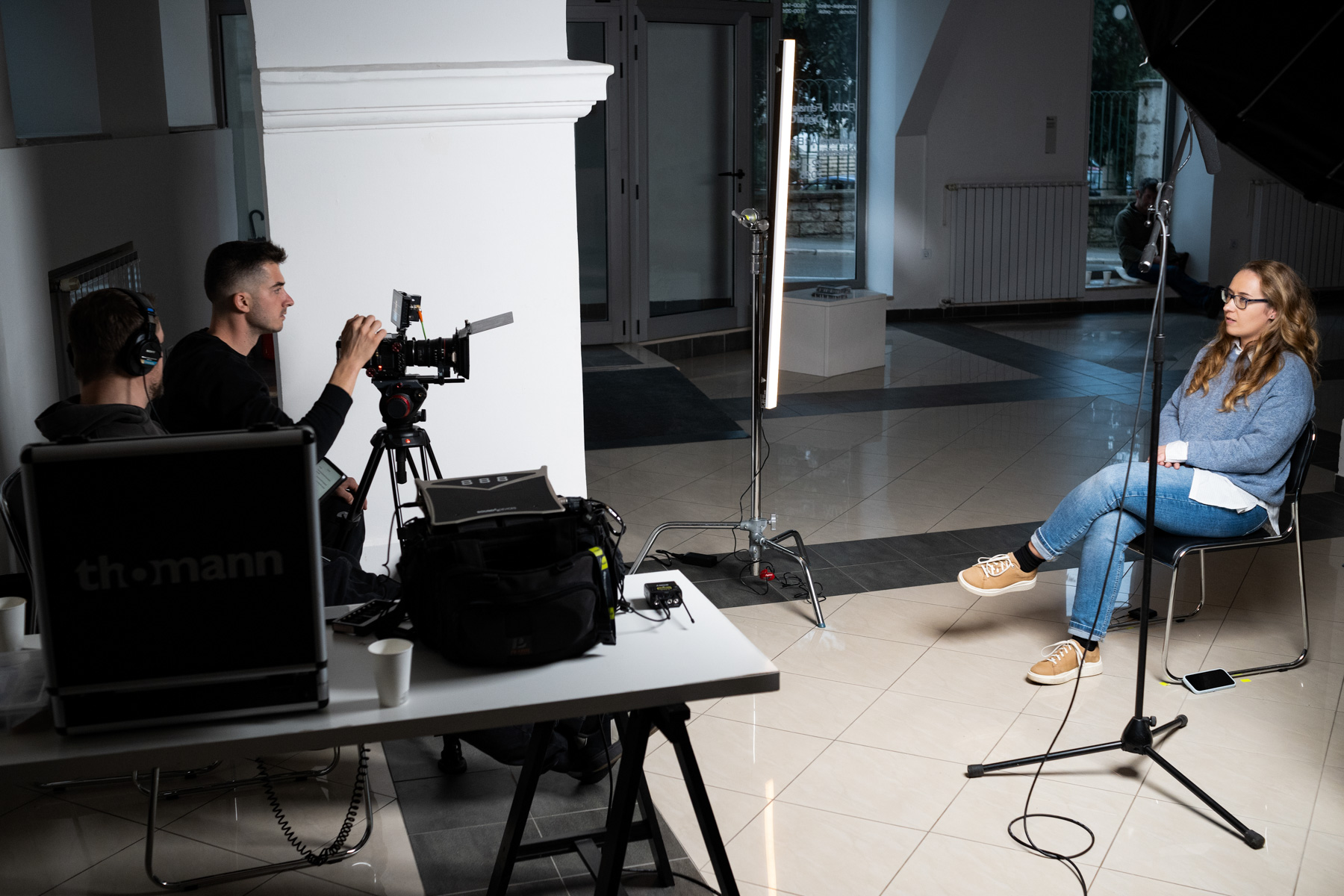
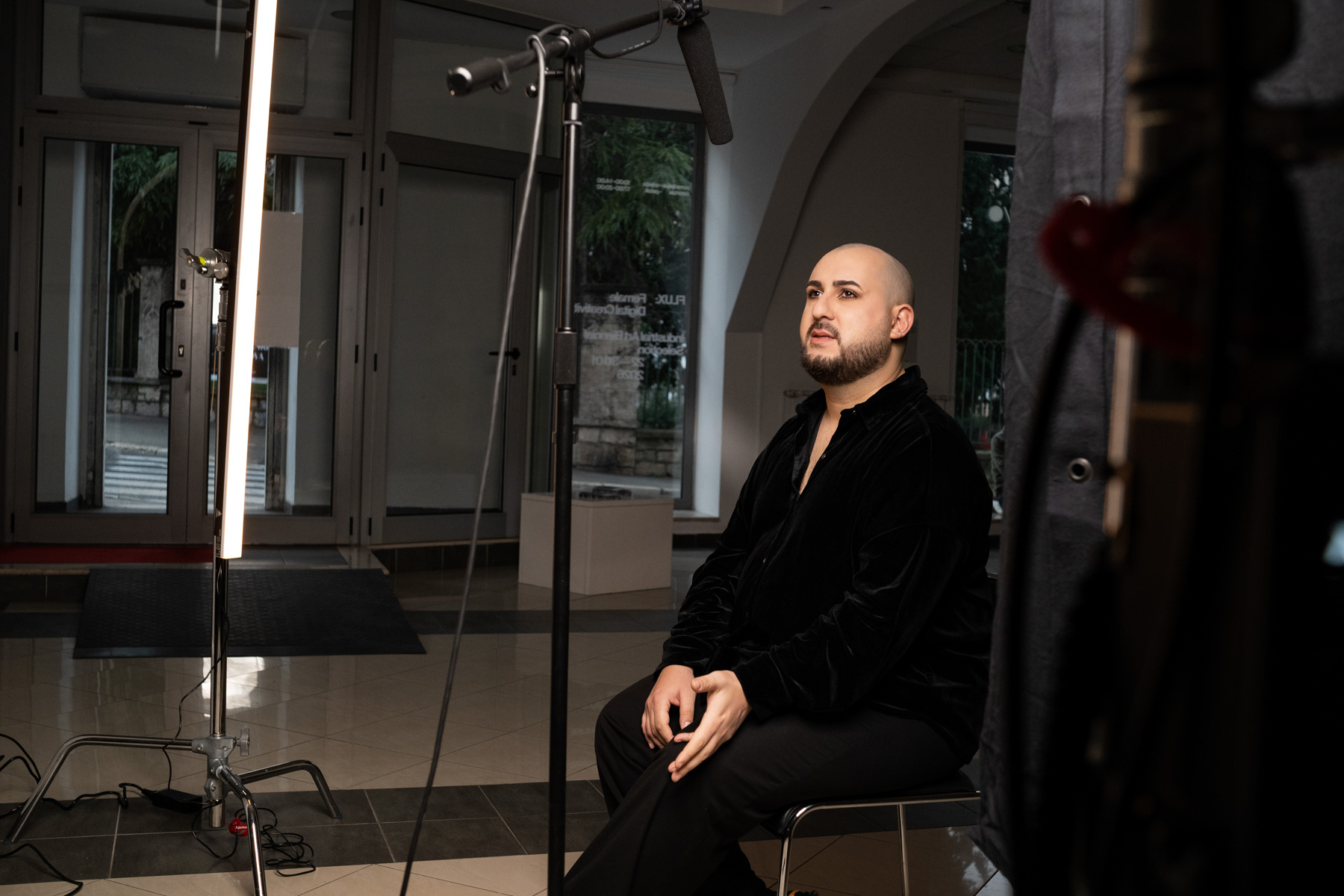
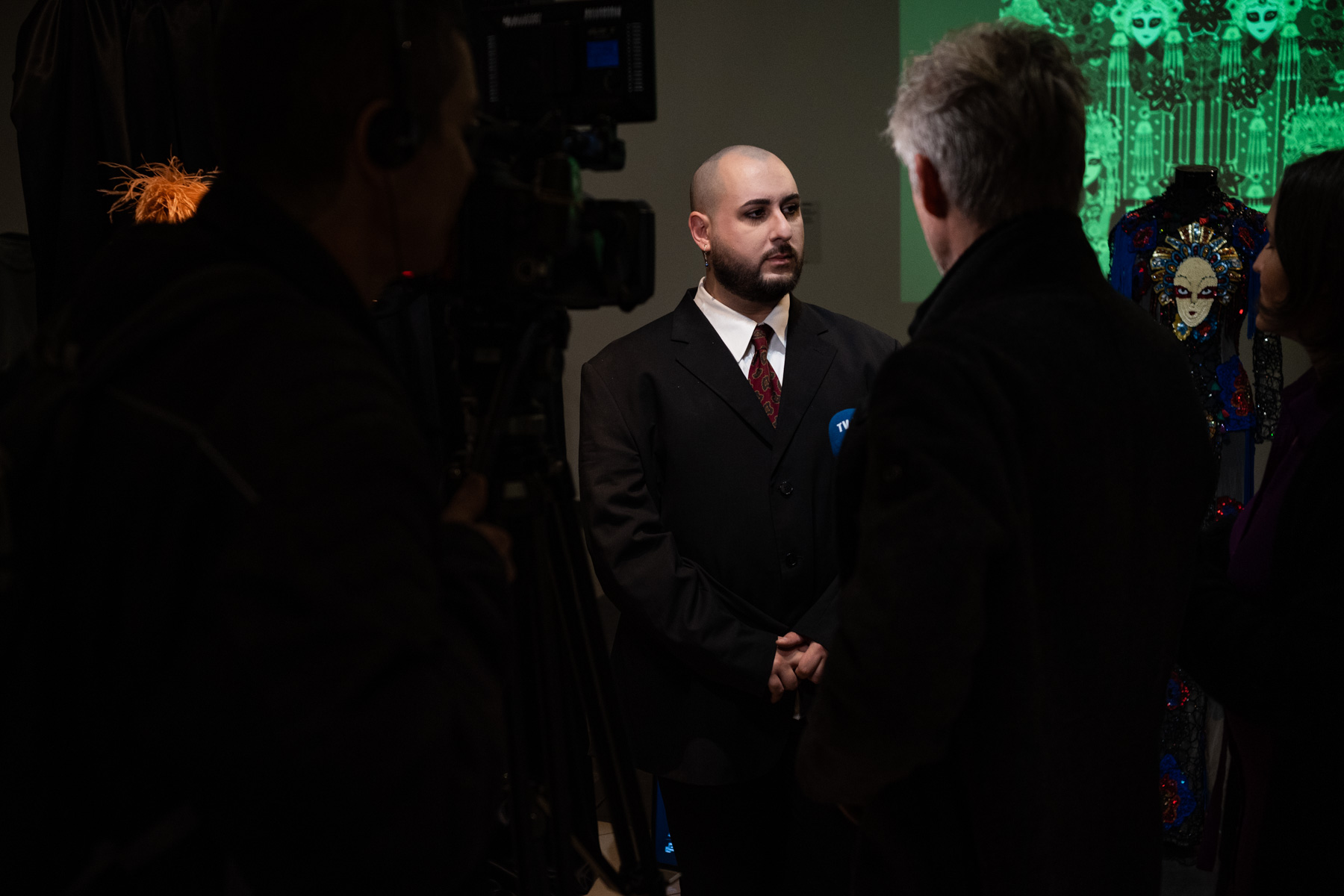
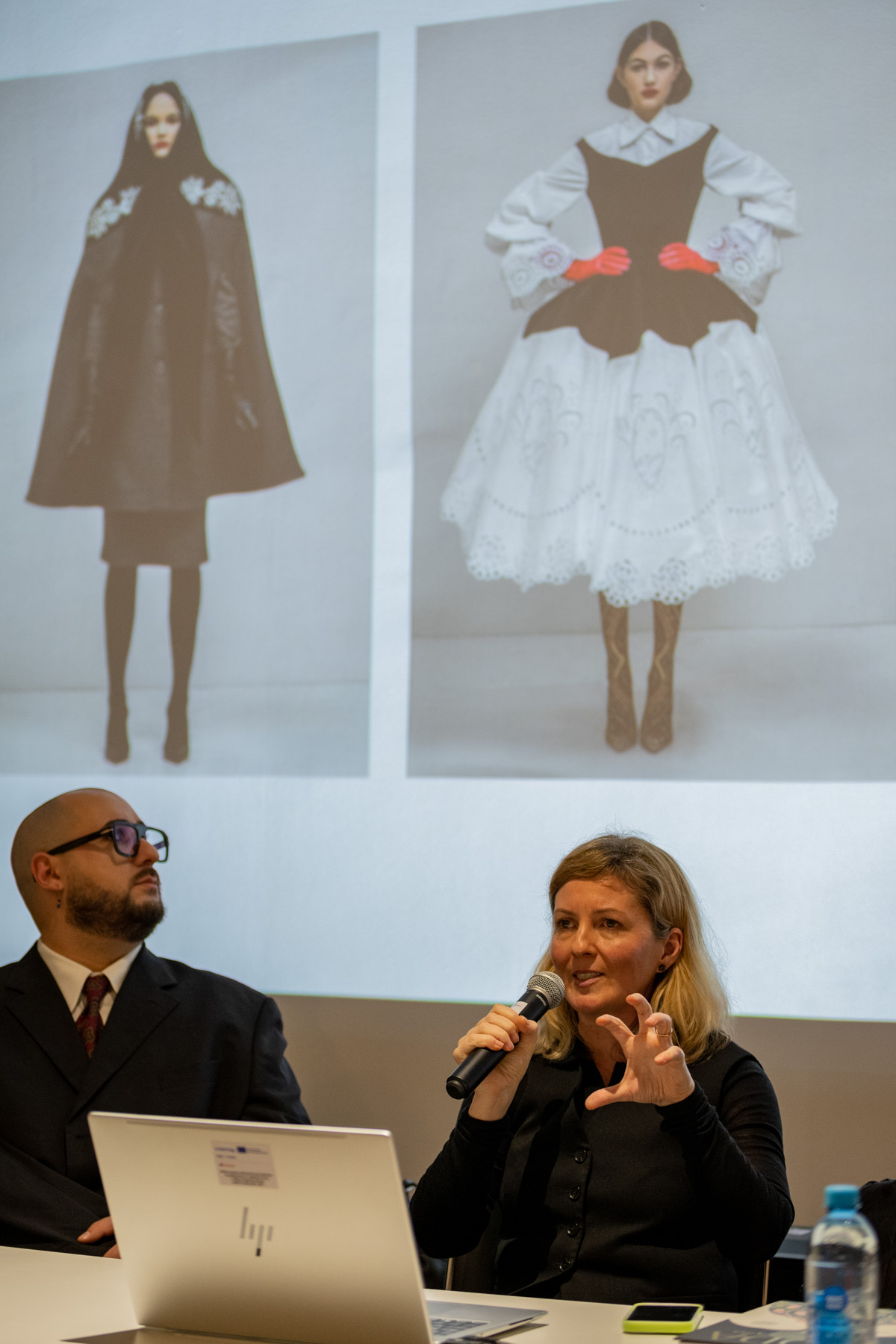
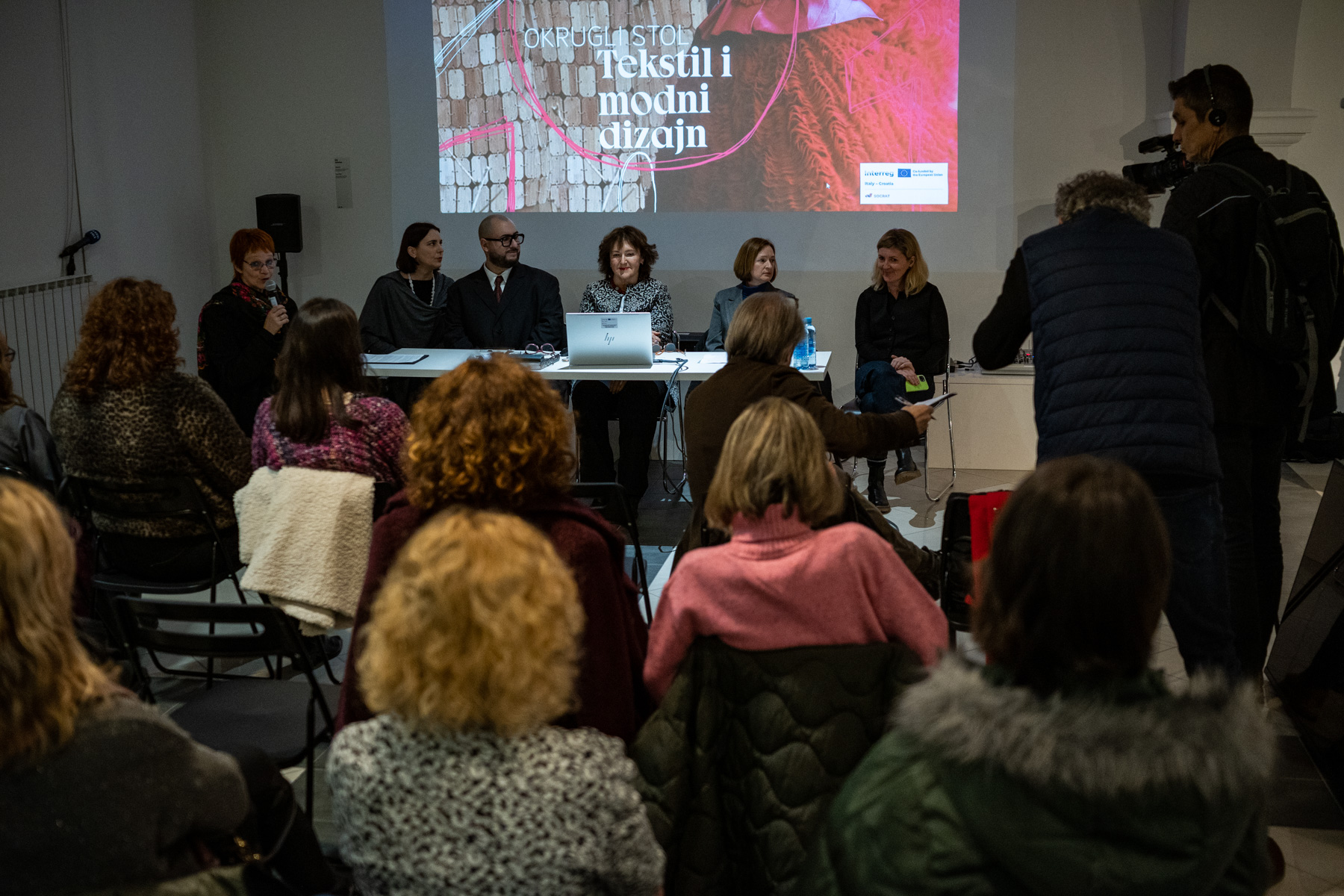
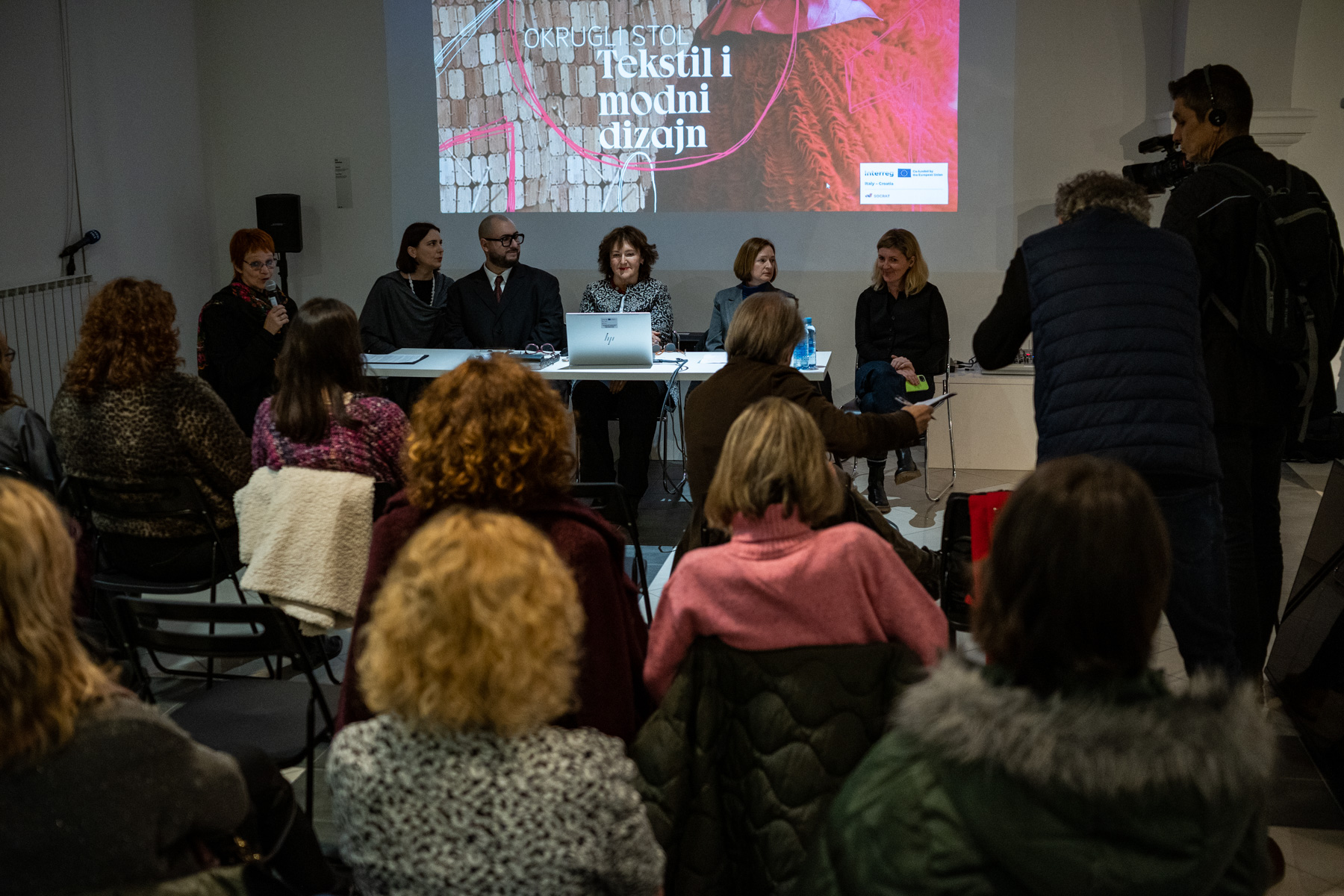
A round table titled "Textiles and Fashion Design" was held on Saturday, January 24, at the Novo Gallery in Pula as part of the "Creative Living Laboratory for Textiles and Fashion Design" within the SOCRAT project in organisation by Region of Istria and Association of Interdisciplinary Artists (HUiU).
The round table—moderated by costume designer Kristina Nefat, president of the Croatian Association of Interdisciplinary Artists (HUiU)—focused on the contemporary interpretation of traditional Istrian garments, incorporating natural materials and "eco-printing" as a visual accent. Participants in the round table included: Dr. Lidija Nikočević, an independent curator, who discussed traditional Istrian clothing and the messages it conveys; Mirjana Margetić, from the Ethnographic Museum of Istria, who spoke on the museological interpretation of Istrian folk costumes; and Dr. Katarina Nina Simončić, who addressed the history of dress, fashion, and fashion design. Additionally, fashion designer Filippo Laterza—a mentor for the Creative Living Laboratory—presented his work and his breakthrough on both the local and international scenes. There was also the opening of the exhibition of fashion designs by Fillipo Laterza and the internationally acclaimed designer Staša Doblanović Randall from Pula, also a mentor of SOCRAT’s Textile and Fashion Design Creative Lab.
Clothes as a boundary between the individual and the community, the private and the public, the body and society, from prehistory to the end of the twentieth century, reveal the layered role and meaning of clothing items and trends defined by social and technological changes. Different historical contexts have created contemporary fashion challenges, as well as ecological and social aspects. In this context, tradition and sustainability issues may serve as the foundation for new collaboration models between artisans, designers and cultural stakeholders in the creation of authentic experiences and the reinterpretation of heritage.

As part of the SOCRAT project, the Region of Istria, together with Kulturban, Metamedij and participating artists, organized a round table titled “Socialist Heritage and the Collectivity of Labor”. The event took place on Monday, 8 December 2025, at Novo Gallery in Pula.
The round table opened with remarks by Vladimir Torbica, who presented the SOCRAT project and its Creative Living Labs as test models for cooperation between cultural and creative industries, artists and the NGO sector in developing new cultural tourism products.
Igor Duda provided a historical overview of socialist heritage in Croatia and Yugoslavia, highlighting the importance of understanding social change, modernization and everyday life in the post-war decades.
Further contributions explored different aspects of socialist cultures. Boris Koroman discussed the diverse layers of socialist cultural experience, from collective ideals and self-management to everyday, popular and artistic cultures.
Andrea Matošević presented the artistic-research project Ho-Ruk! Hop-Jan! Compositions of Collective Work, which reinterprets sound and film archives of coordinated labor in shipyards, quarries and youth actions.
Award-winning composers Alen and Nenad Sinkauz reflected on industrial sound as a formative experience and an inspiration for contemporary musical expression, connecting personal memory with the sonic heritage of Pula’s industrial past.
Eric Ušić and Davor Sanvincenti showcased how socialist heritage informs their visual and audiovisual work, exploring perception, memory and experience.
The event also marked the start of a ten-day Creative Living Lab focused on performance, aimed at activating collective memory and developing authentic cultural and tourism experiences through collaboration between artists, cultural industries and civil society.
The lab is joined by renowned Italian artist Michele Sambin, whose interdisciplinary work connects sound, image and performance. As mentor, he will guide participants in creating collective experiences that link memory, space and community, supporting innovative and locally rooted cultural tourism.